



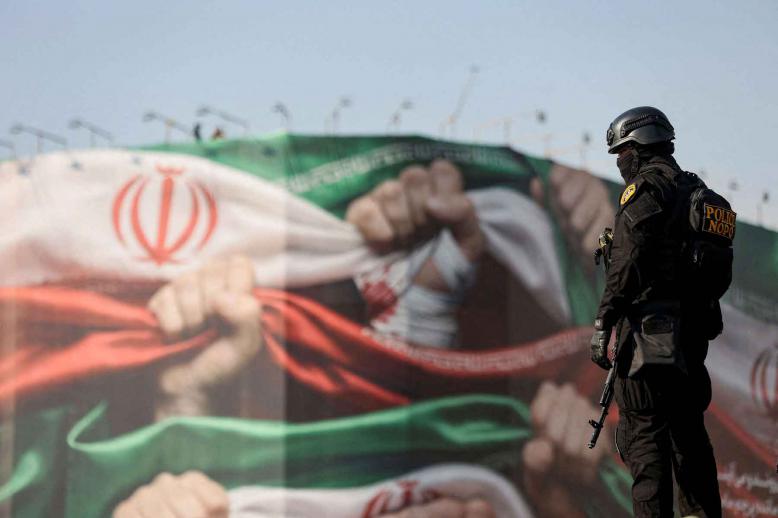
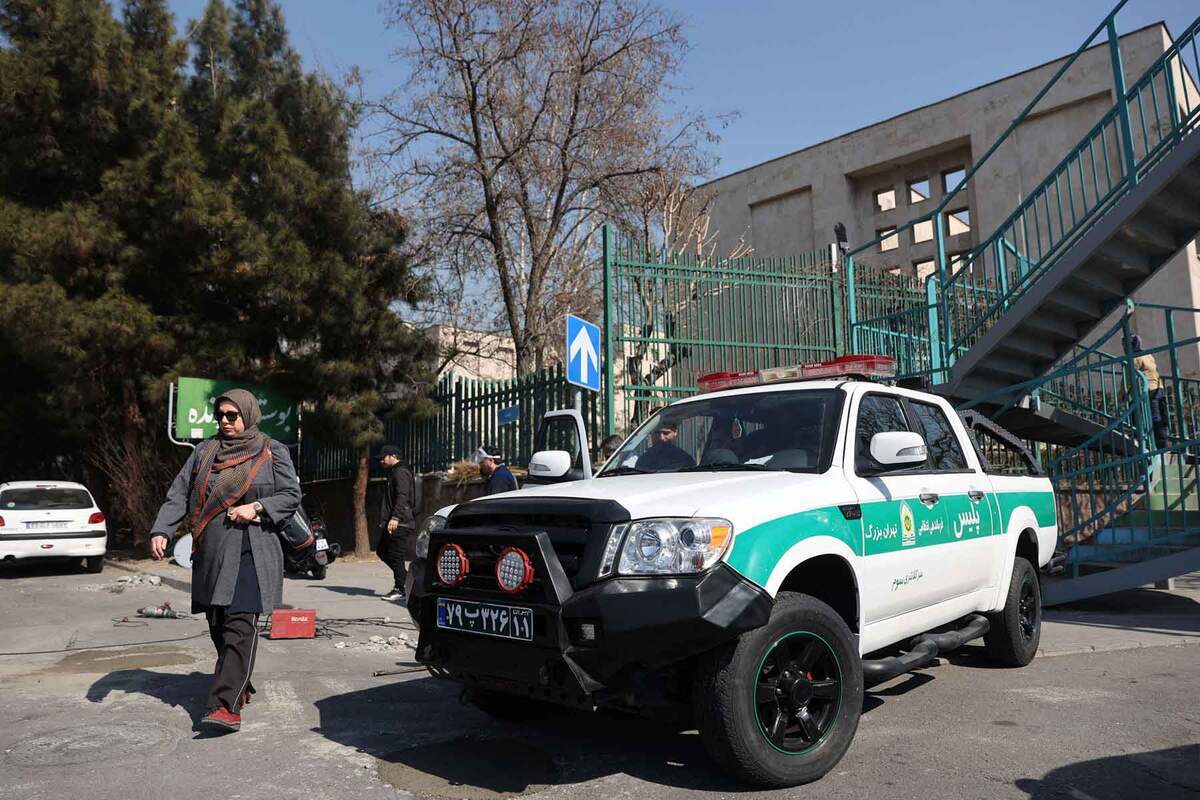
Ongoing domestic discontent
Iran frees hundreds of protesters, vows strict action against ringleaders
The release of some detainees reflects what analysts see as a calibrated strategy by Tehran aimed at reducing public anger while maintaining firm judicial and security oversight.
Tuesday 17/02/2026
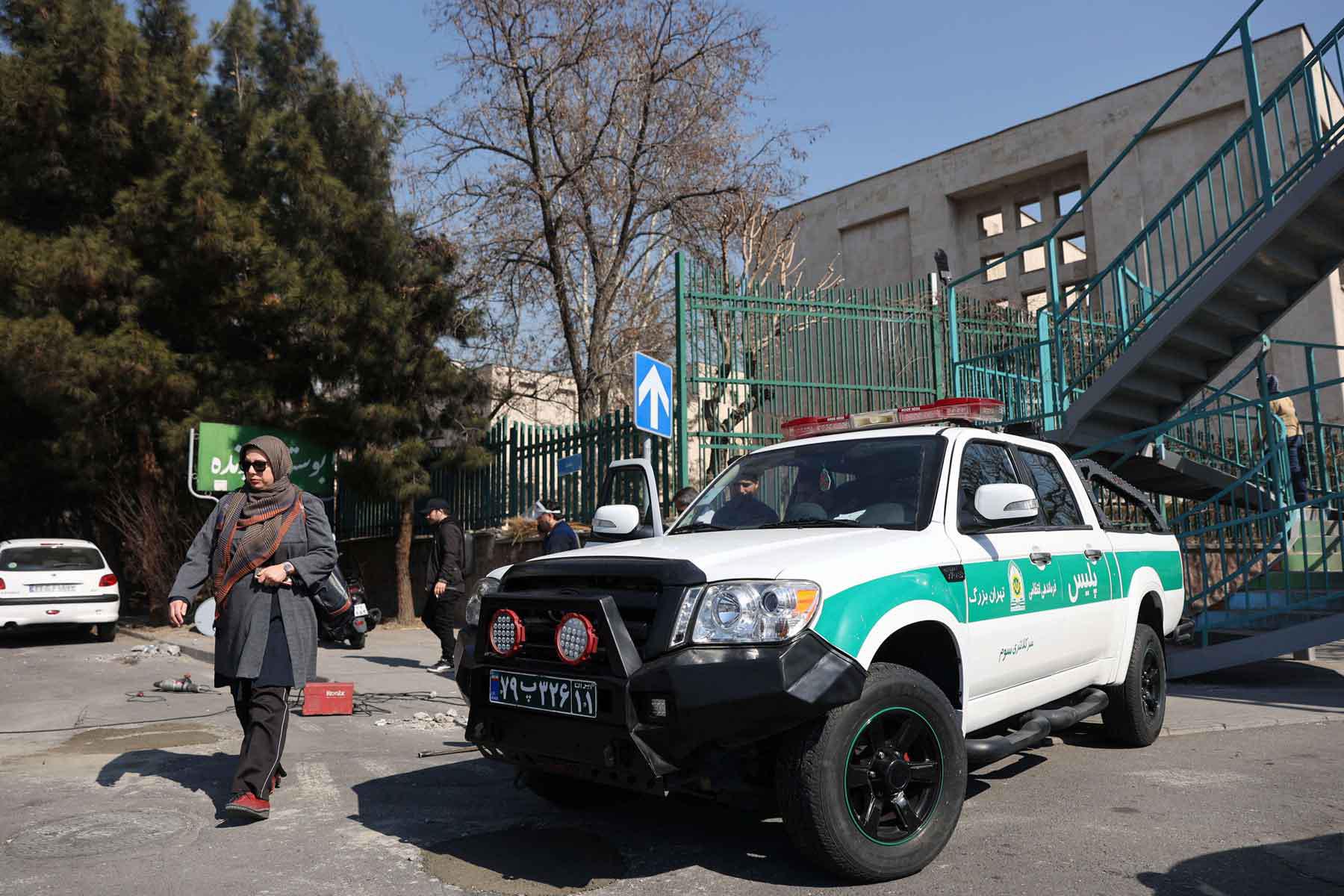
Ongoing domestic discontent
TEHRAN – Iran’s judiciary has announced the release of hundreds of protesters who did not engage in violence, signalling a limited effort to ease public anger while maintaining strict legal action against protest organisers and alleged instigators, as the country grapples with ongoing unrest and mounting international pressure.
Judiciary spokesman Asghar Jahangir said on Tuesday that “hundreds of protest participants who were not involved in acts of violence have been released,” stressing that what he described as “Islamic compassion” would apply only to those who had made mistakes or acted impulsively.
Speaking at a news conference in Tehran, Jahangir said the judiciary was pursuing a policy of distinguishing between individuals he described as “misled” participants and those accused of organising unrest or inciting violence.
He said leniency would not extend to those who had carried out violent acts, destroyed public property, or allegedly cooperated with groups deemed hostile to the state. Those individuals, he said, would face prosecution.
“The judiciary differentiates between those who were deceived into participating and the leaders and instigators who organised events and escalated tensions,” Jahangir said, adding that admission of wrongdoing and expressions of remorse were key factors in decisions to grant clemency.
Jahangir disclosed new figures illustrating the scale of the legal response to the protests. Authorities have issued non-prosecution rulings for 347 individuals, halted proceedings against 96 others and suspended prosecution in 58 cases.
However, more than 10,000 people have been referred for trial, with approximately 8,843 indictments filed and sent to courts across the country.
Judicial teams in all 31 provinces are continuing to review detainees’ cases “rapidly and accurately,” he said, reflecting the authorities’ determination to resolve protest-related cases while maintaining firm control over the legal process.
Many of those released were teenagers or individuals who participated impulsively and did not commit criminal offences, he added, noting that some were freed after signing pledges to refrain from actions deemed harmful to public security.
At the same time, the judiciary vowed strict action against protest organisers and alleged collaborators with hostile groups, underlining Tehran’s continued reliance on legal enforcement to deter further unrest.
Officials have also estimated the financial damage caused by the protests at around $150 million.
Iranian President Masoud Pezeshkian has urged authorities to manage protests in a way that prevents escalation into wider crises.
Speaking at a police academy graduation ceremony in Tehran, Pezeshkian emphasised the importance of restraint in dealing with demonstrators while ensuring the safety of security forces.
He said controlling unrest at an early stage could prevent broader instability and stressed the need to equip security forces with modern tools and technologies enabling them to manage demonstrations without endangering themselves or civilians.
His remarks reflect growing concern within the Iranian leadership over the potential for continued protests to deepen political and social tensions.
The latest measures follow a wave of nationwide protests that erupted in late December 2025, triggered by economic hardship, political grievances and social restrictions.
Unofficial estimates suggest more than 50,000 people have been detained, including students, academics and writers.
Human rights groups have reported hundreds of cases of forced confessions and thousands of deaths, while Iranian authorities acknowledge more than 3,000 fatalities, many of whom they say were security personnel or civilians killed in what officials described as terrorist violence.
According to Amnesty International, security forces responded to the unrest with lethal force, mass arrests, communication blackouts and sweeping restrictions aimed at suppressing dissent and preventing documentation of the crackdown.
Iranian authorities, however, have framed the protests as a foreign-backed conspiracy involving hostile actors seeking to destabilise the country.
The release of some detainees reflects what analysts see as a calibrated strategy by Tehran aimed at reducing public anger while maintaining firm judicial and security oversight.
By combining selective clemency with continued prosecutions and warnings of harsh penalties for protest leaders, Iran’s leadership appears to be attempting to contain unrest without signalling weakness.
At the same time, the government faces ongoing domestic discontent and intensifying international pressure over its nuclear programme, regional policies and human rights record.
These parallel pressures underscore the fragile balance confronting Iran’s leadership as it seeks to maintain internal stability while navigating external geopolitical tensions.