

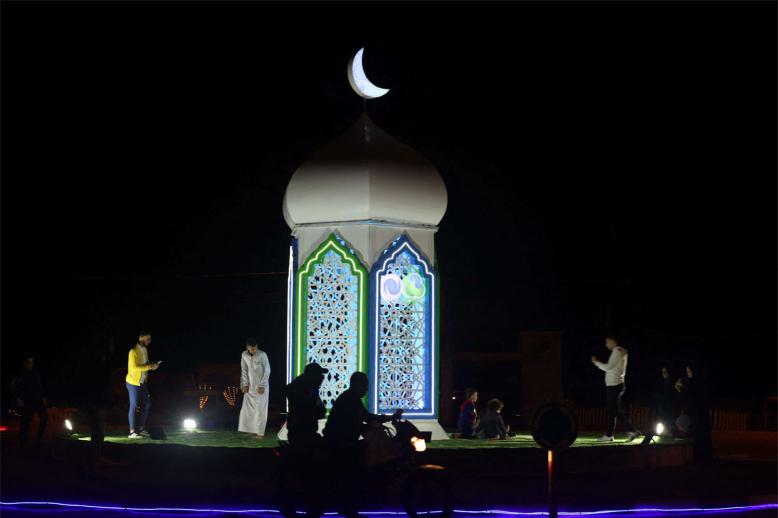

The initiative is organised annually by both government authorities and charitable associations
Oran governor bans filming of Ramadan aid to protect recipients
The governor’s decision underscores an increasing sensitivity in Algeria toward balancing transparency in charitable efforts with the protection of the dignity of aid recipients.
Tuesday 17/02/2026
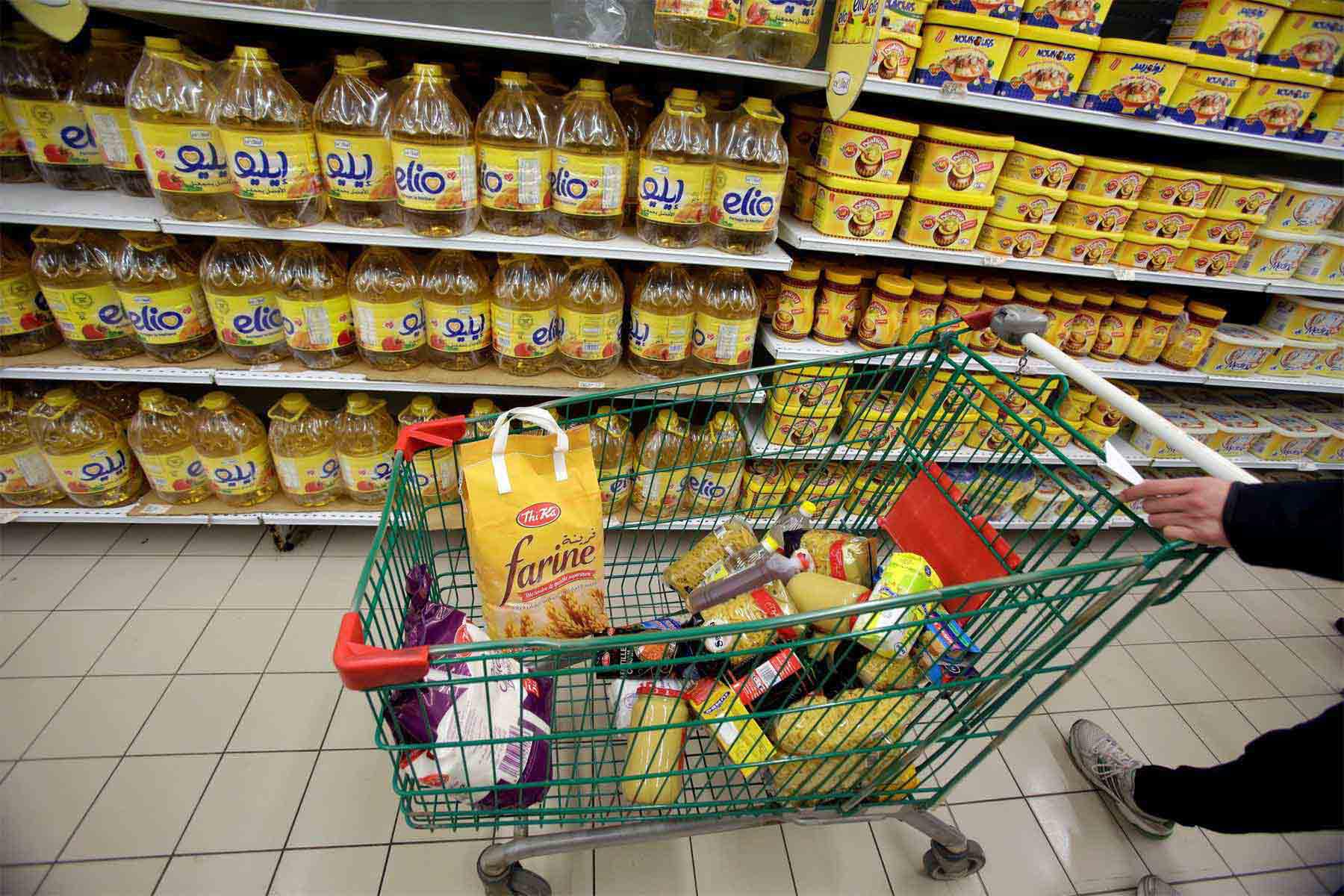
The initiative is organised annually by both government authorities and charitable associations
ALGIERS – The annual distribution of Ramadan baskets in Algeria, a humanitarian initiative marking the start of the holy month, has sparked a public debate this year after the Governor of Oran Ibrahim Ouchen issued a ban on filming the aid delivery process.
The decision has divided Algerians, with supporters praising it as a measure to protect the dignity of recipients, while others argue that filming can help encourage charitable donations.
Ouchen instructed municipal authorities to prohibit the filming of “Ramadan baskets” being distributed to needy families and tasked the director of social activities in Oran with overseeing the daily feeding of homeless individuals.
The initiative, known in Arabic as “Qoffet Ramadan,” traditionally consists of food baskets containing staple items most consumed during Ramadan and is organised annually by both government authorities and charitable associations.
The governor’s decision received widespread approval on social media, with many praising it as a response to popular demands for preserving the dignity of aid recipients. The move also enhanced Ouchen’s popularity, with numerous Algerians expressing hope that the policy could be applied nationwide.
However, some commentators noted a contrasting perspective: charitable organisations often publicise their Ramadan aid efforts through videos and photos on social media to encourage further donations and acts of goodwill.
Nonetheless, the majority of online feedback supported the governor’s decision, suggesting that while charities can document their activities, such as preparing meals and distributing aid, they should avoid revealing beneficiaries’ identities or specifying the exact neighbourhoods or areas served. Similar approaches have been observed in Morocco and Tunisia, countries that also uphold the tradition of distributing Ramadan baskets.
Activists highlighted that some recipients, due to urgent need, reluctantly consent to being filmed or interviewed, which can inadvertently attract more donors but may also compromise the privacy and dignity of the beneficiaries.
Samir Sahrawi, a volunteer with the Al-Wiam charity association, emphasised the organisation’s commitment to serving the greatest possible number of people during the holy month.
“We always try to meet the largest number of requests from those in need during Ramadan, not only through distributing ‘Ramadan baskets’ but also by organising soup kitchens, collective iftars, and other initiatives,” he said.
Sahrawi added that the association coordinates directly with donors to ensure aid reaches neighbourhoods across the city.
He stressed, “We share all information about our charitable work throughout the year, not only during Ramadan, but we never disclose private details about beneficiaries. We take extreme care to ensure no images reveal their identities, as this is a purely humanitarian process that must remain so.” He concluded, “Transparency between the association and its supporters does not necessarily require revealing the recipients of aid.”
The governor’s directive followed an executive meeting in which he reviewed reports from the director of local administration on the Ramadan solidarity grant, which reached 65,564 beneficiaries and was fully distributed by February 9. The director of commerce also presented plans to ensure the availability of essential goods and products in local markets, establishing ten additional neighbourhood markets and other spaces, while monitoring commercial practices and promoting awareness campaigns to limit waste.
Meanwhile, the director of social activity in Oran outlined preparations for the month of Ramadan. Concerning iftar restaurants, the provincial committee had already begun inspecting venues, with 62 restaurants monitored to date.
The governor’s decision underscores an increasing sensitivity in Algeria toward balancing transparency in charitable efforts with the protection of the dignity and privacy of aid recipients, reflecting a broader societal emphasis on human respect during the holy month.