


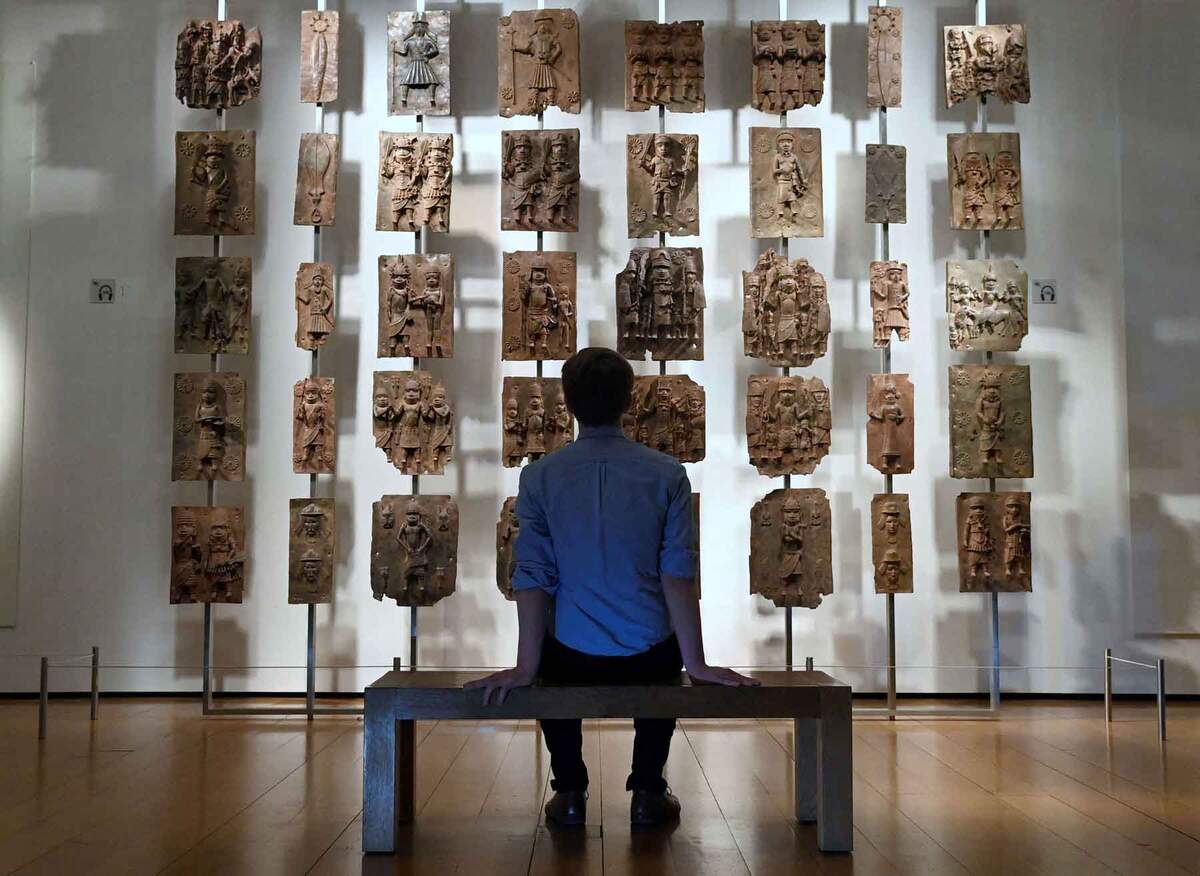
Some small changes can resonate far beyond gallery walls
British Museum refutes claim it axed ‘Palestine’ from maps
The row was sparked by a report in The Sunday Telegraph suggesting that references to “Palestine” had been taken down after concerns were raised by UK Lawyers for Israel.
Wednesday 18/02/2026
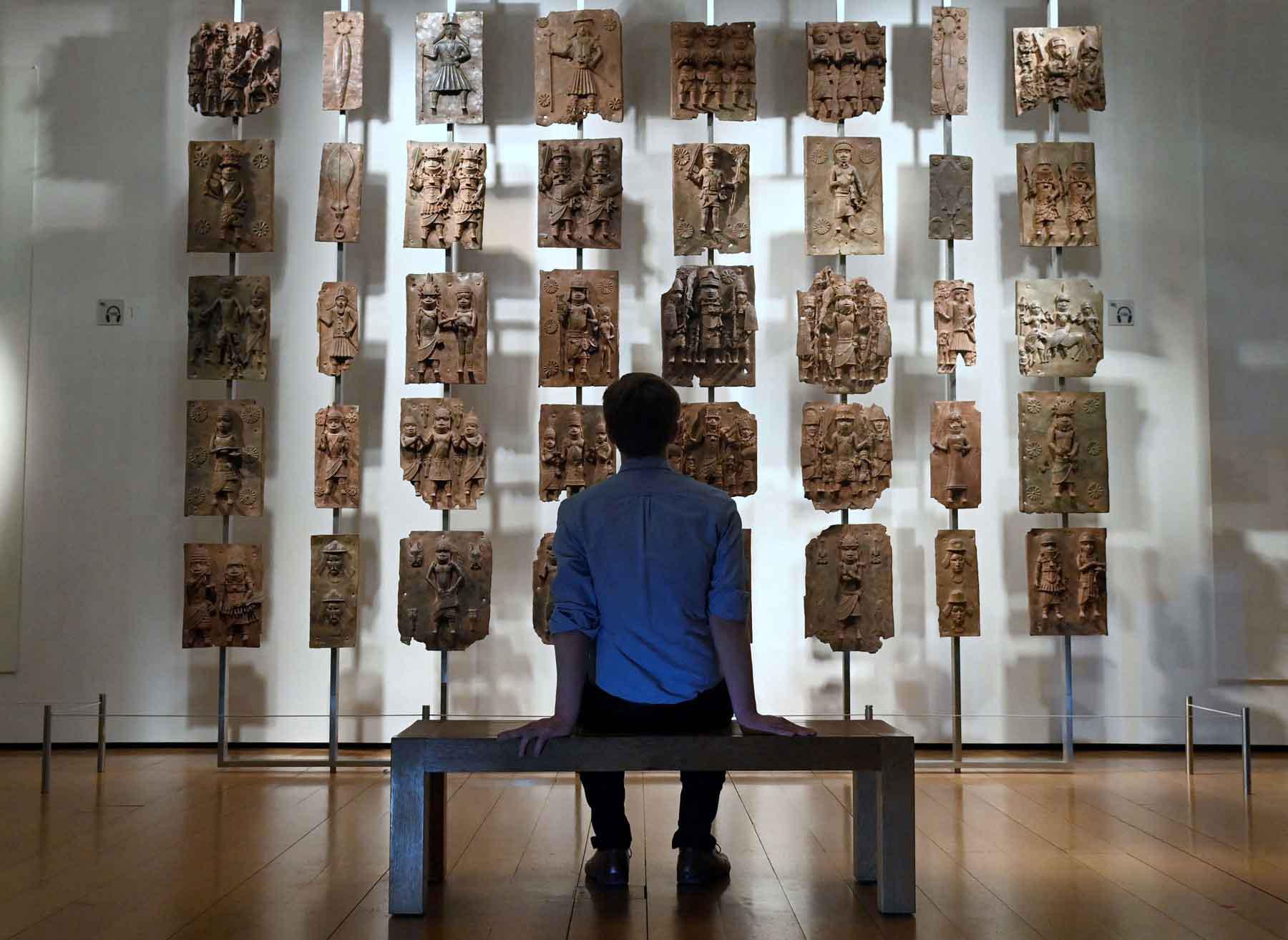
Some small changes can resonate far beyond gallery walls
LONDON – The British Museum has firmly denied reports that it removed the word “Palestine” from maps and display panels in its Middle East galleries following pressure from a pro-Israel legal advocacy group, insisting the claims are “simply not true.”
The row was sparked by a report in The Sunday Telegraph suggesting that references to “Palestine” had been taken down after concerns were raised by UK Lawyers for Israel (UKLFI), a British-based group that campaigns on legal issues related to Israel.
The organisation had written to the museum’s director Nicholas Cullinan arguing that the retrospective use of the term “Palestine” across millennia risked distorting historical realities.
However, a museum spokesperson said on Tuesday that reports of the name being expunged were “completely inaccurate.”
“We continue to use ‘Palestine’ across a series of galleries, both contemporary and historic,” the spokesperson said in a statement. “It has been reported that the British Museum has removed the term Palestine from displays. It is simply not true.”
Clarifications over ancient terminology
The museum acknowledged that some labels and maps in its Middle East galleries had been amended over the past year, but stressed that the changes were part of a broader curatorial review process and not a response to lobbying.
In particular, references relating to the southern Levant in the late second millennium BC have been adjusted to use the term “Canaan?” which curators consider more historically accurate for that specific period. The museum said the decision followed audience research and focus group discussions undertaken more than a year ago.
“The term ‘Canaan’ is more relevant for the southern Levant in the later second millennium BC,” the spokesperson explained.
Where modern political boundaries are shown, the museum said it adheres to United Nations terminology, referencing Gaza, the West Bank, Israel and Jordan accordingly. The term “Palestinian” is used, where appropriate, as a cultural or ethnographic identifier.
In the Ancient Levant gallery, for example, exhibits include 19th- and 20th-century dolls described as wearing “Palestinian traditional dress,” and objects referencing “rural Palestine.” Artefacts from Tell Al Ajjul, an archaeological site in present-day Gaza, also remain on display.
Diplomatic reassurance
According to sources, Cullinan contacted Husam Zomlot, the Palestinian ambassador to the UK, to reassure him that “Palestine” had not been removed from the museum’s displays. It is understood that the ambassador accepted the explanation.
The Palestinian embassy had earlier expressed “serious concern” at reports that the museum had been “pressured into removing, questioning, or restricting the use of the term ‘Palestine’.”
“Attempts to cast the very name ‘Palestine’ as controversial risk contributing to a broader climate that normalises the denial of Palestinian existence,” the embassy said in a statement. Zomlot added that “cultural institutions must not become arenas for political campaigns.”
UKLFI had previously criticised what it described as “historically inaccurate” references to Palestine in displays covering the ancient Levant and Egypt. In its letter to the museum, the group argued that using the term retrospectively could obscure the historical existence of the Kingdoms of Israel and Judah and misrepresent Jewish origins.
The group requested that regions be referred to by names it regards as historically accurate for each period, such as Canaan, the Kingdoms of Israel and Judah, or Judea.
Meanwhile, Giovanni Fassina, executive director of the European Legal Support Centre, said the controversy reflected a broader pattern of legal pressure being applied to public bodies. He said a complaint had been lodged with the Solicitors Regulation Authority alleging the use of so-called strategic lawsuits against public participation (SLAPPs) to silence expressions of solidarity with Palestinians.
The historian William Dalrymple said he had spoken to Cullinan and was reassured by the director’s explanation, describing reports that the museum had “cancelled” the name Palestine as a “complete misrepresentation of the facts.”
According to Dalrymple, the amendments relate to just two labels, and were the result of lengthy internal discussions among curators.
The episode underscores the increasingly fraught terrain navigated by cultural institutions when addressing the history of the Middle East. Terminology that might once have been considered purely academic now sits at the intersection of politics, identity and contemporary conflict.
While the British Museum insists its decisions were curatorial rather than political, the dispute highlights how even small changes in wording can resonate far beyond the gallery walls, touching on questions of history, sovereignty and national narrative in one of the world’s most contested regions.