

The UAE is now hoping to "be one of the 10 biggest" players in the space economy by 2031
UAE extends hope probe’s Mars mission to 2028
The extension of the Mars mission beyond the original plan underscores the UAE’s long-term ambitions in space exploration.
Wednesday 18/02/2026
The UAE is now hoping to "be one of the 10 biggest" players in the space economy by 2031
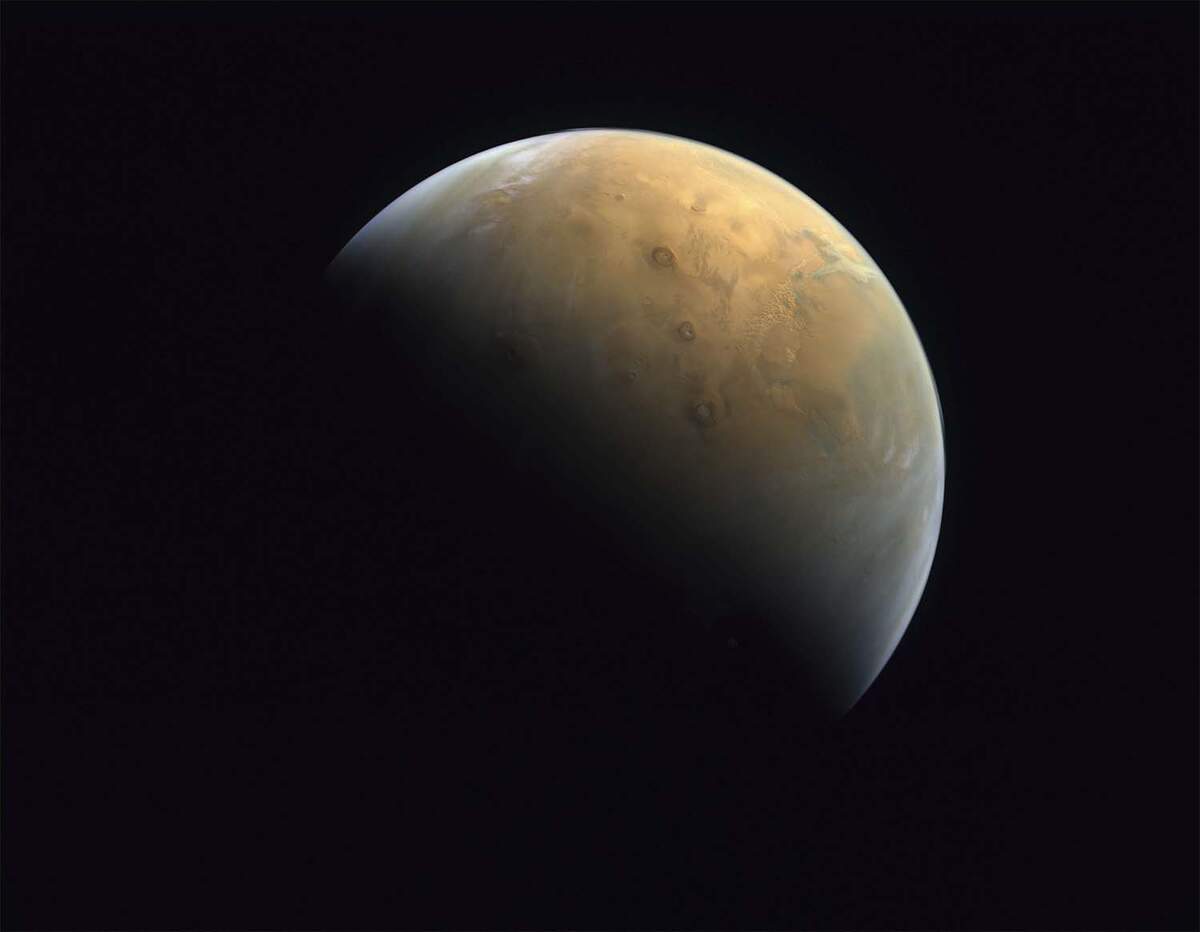
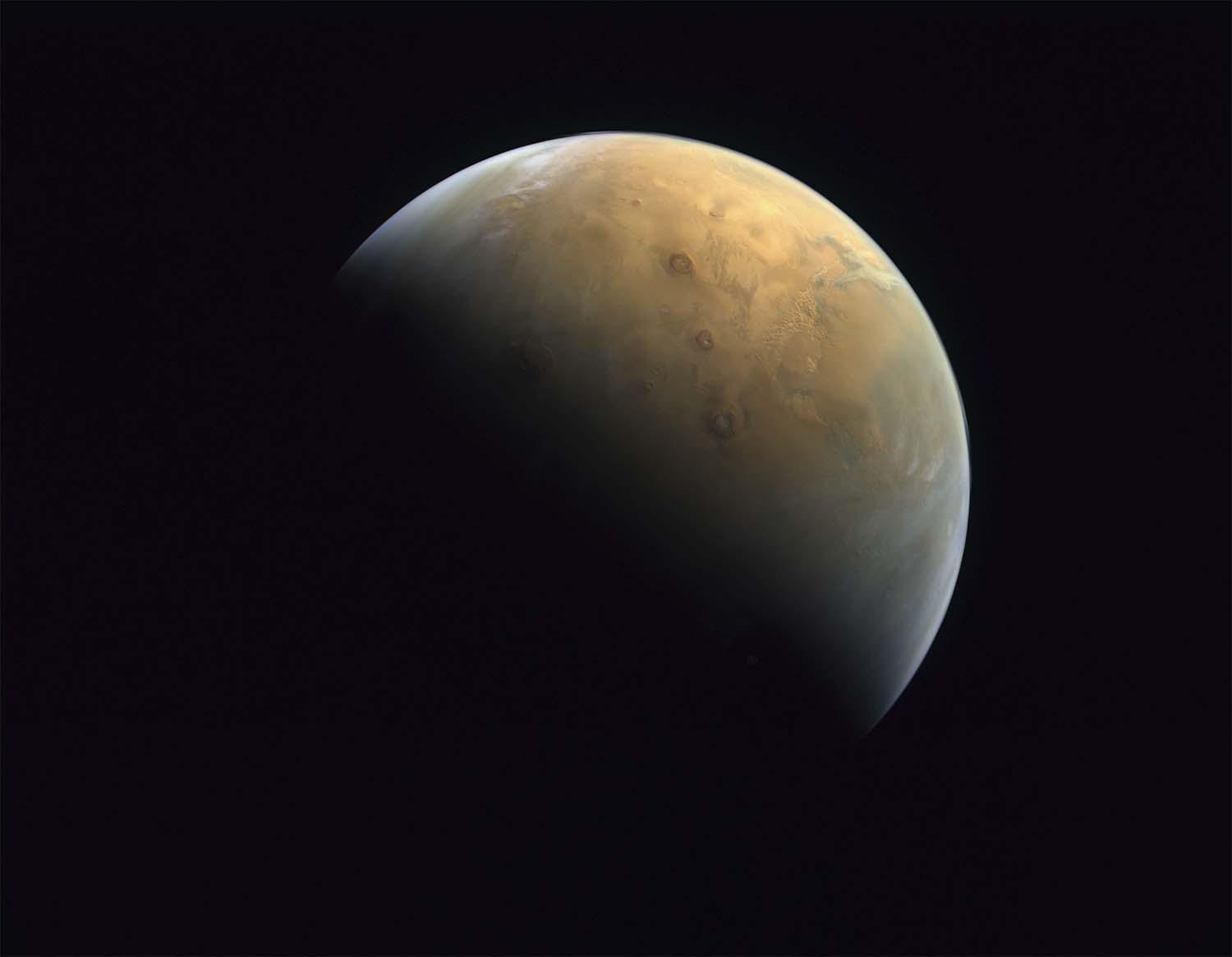
DUBAI - The United Arab Emirates (UAE) announced Tuesday that it will extend its Emirates Mars Mission (EMM) — commonly known as the Hope Probe — until 2028, three years beyond its original plan, underscoring the country’s long-term ambitions in space exploration.
Launched in July 2020, the Hope Probe successfully entered Mars orbit in February 2021 after a seven-month interplanetary journey, marking a historic achievement as the first Arab nation to reach the Red Planet.
Originally designed as a two-year mission to observe and study Mars’ atmosphere, the probe has far exceeded expectations. Since reaching Mars, it has gathered around 10 terabytes of scientific data, shared through more than a dozen datasets with research institutions worldwide.
At a press conference in Dubai announcing the extension, officials with the UAE Space Agency said that continuing the mission will maximize scientific returns, deepen operational experience, and pave the way for future deep-space missions.
Ahmad Al Falasi, Minister of Sports and chairman of the UAE Space Agency, hailed the success of the milestone mission as he announced the Hope Probe's critical work would continue.
"Today, we are talking about the impact of this project. As shown in the video, when we started this mission, the initial goal was to send one terabyte of data,” said Falasi.
“The UAE is now hoping to "be one of the 10 biggest" players in the space economy by 2031,” he added.
The Hope Probe’s instruments have enabled unprecedented observations of the Martian climate, including global weather patterns and atmospheric dynamics — information critical to better understanding how Mars lost much of its atmosphere over billions of years.
Since beginning its scientific operation, the mission has contributed new insights into Mars’ auroral activities and even conducted close flybys of Deimos, one of the planet’s moons.
Officials also said the extension reflects the UAE’s growing role in the global space community and its desire to become one of the top countries in the space economy by the early 2030s.
The continued operation of the Hope Probe will give scientists more time to monitor seasonal and long-term changes in Mars’ atmosphere and climate — data that could be invaluable for future exploration, including potential crewed missions.