



Trending widely
Viral Assala track rekindles trauma of regime-era prison abuses
Dozens of accounts reshared the track, hailing it not merely as a promotional single but as an act of remembrance.
Wednesday 18/02/2026
Trending widely
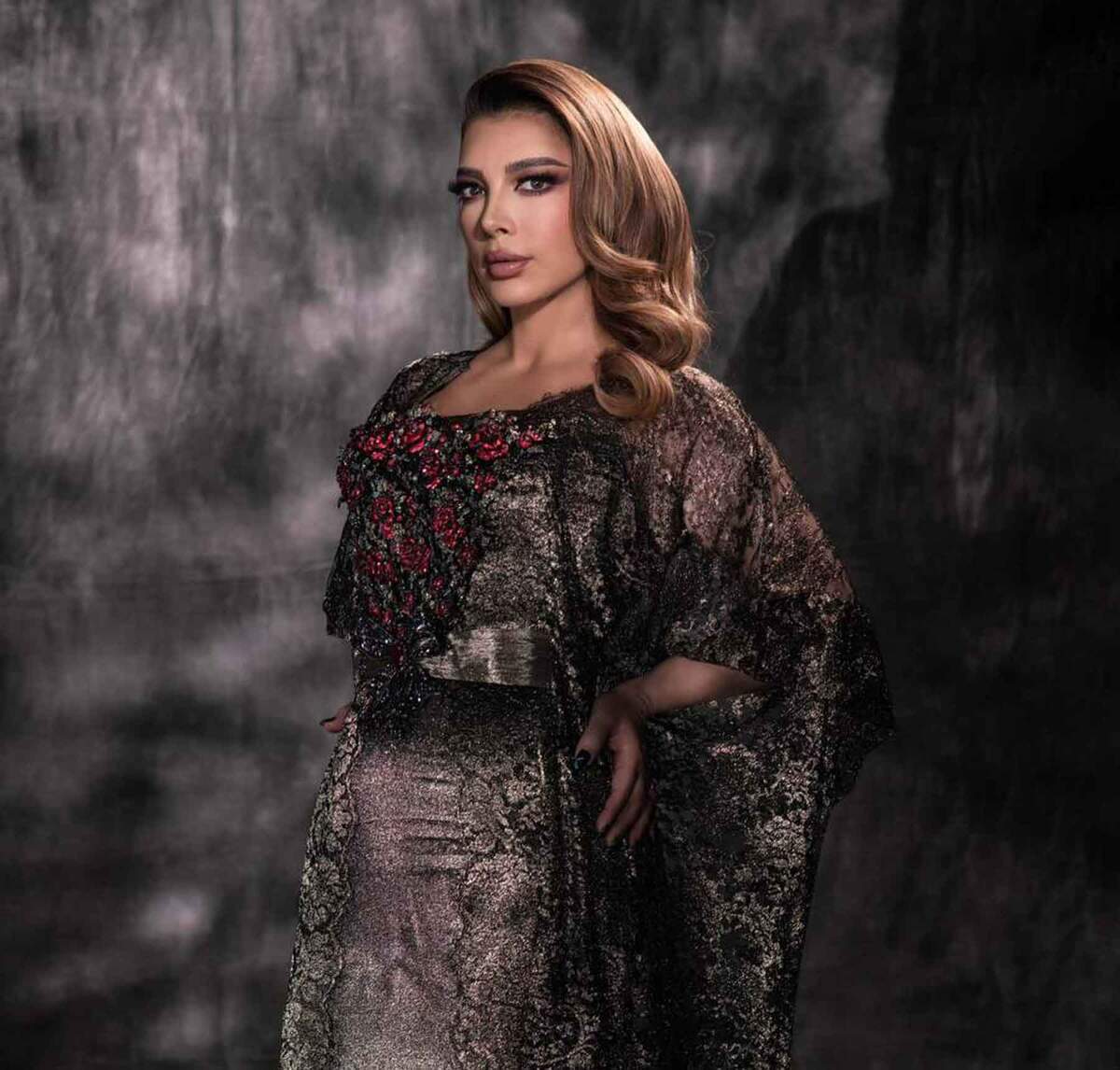
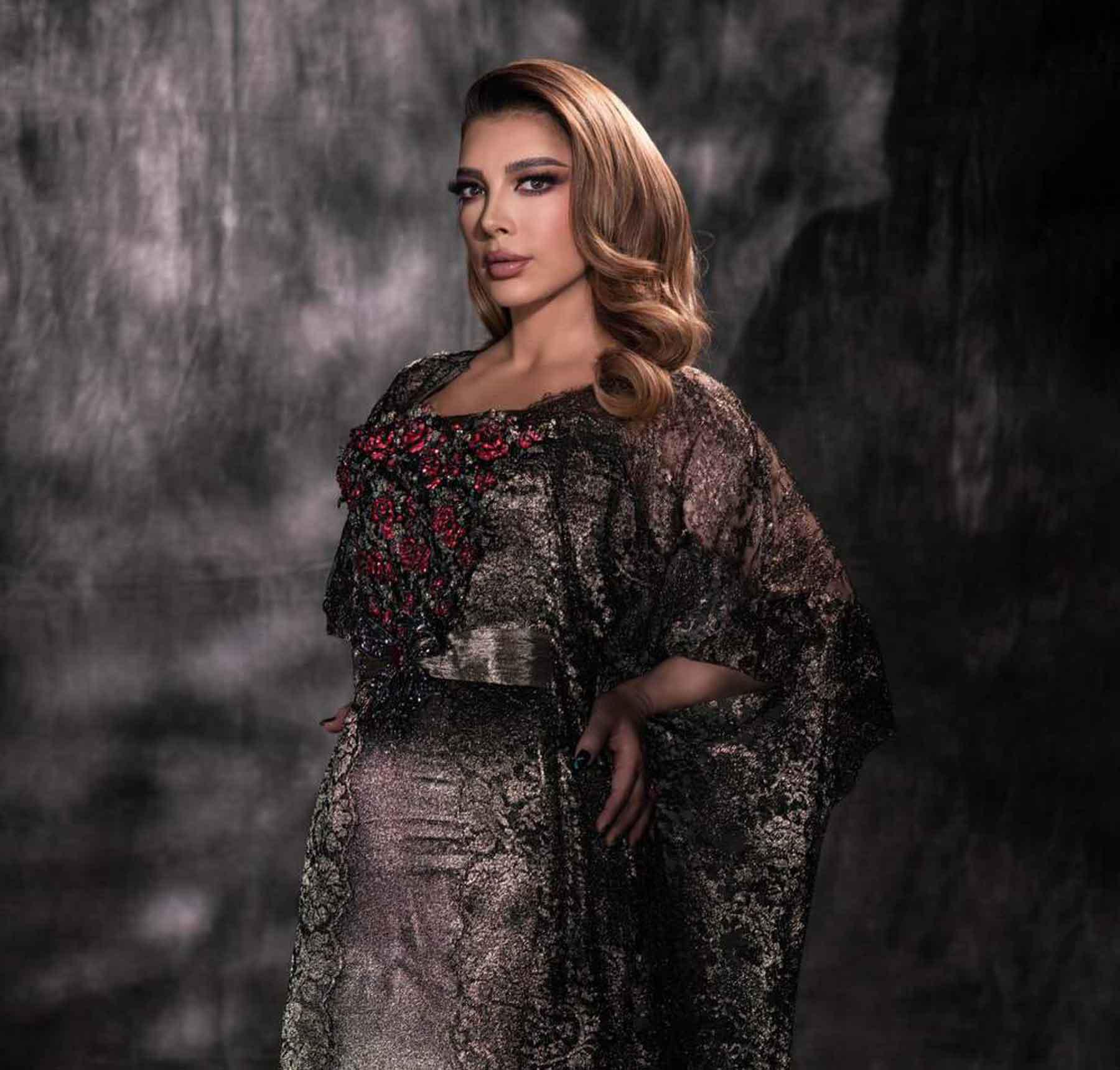
DAMASCUS – The release of Assala Nasri’s new song “Min Kam Sana” (Many Years Ago) has ignited a storm across social media, striking a raw nerve with its haunting evocation of the suffering endured by detainees in Syrian prisons.
The track, written and composed by Hassan Zayoud and arranged by Nasser al-Assaad, serves as the theme for the forthcoming television drama “Al Kaysar: La Makan La Zaman” (The Emperor: No Place, No Time), a series that promises to confront one of the darkest chapters of Syria’s recent history.
Within hours of its release, the song was trending widely, embraced by activists and ordinary Syrians alike as an unflinching expression of the anguish felt by thousands of families still waiting for news of loved ones who vanished into the country’s detention centres. For many, the lyrics articulate the corrosive uncertainty that has defined their lives for years, the relentless limbo between hope and despair.
Dozens of accounts reshared the track, hailing it not merely as a promotional single but as an act of remembrance. Anticipation for the drama itself has intensified accordingly. The series, due to air during the Ramadan season on MBC and the Shahid streaming platform, blends social drama with documentary testimony, drawing in part on the infamous “Caesar files,” thousands of images smuggled out of Syria that documented the deaths of detainees in military hospitals.
The files take their name from the military police photographer known by the codename “Caesar,” who was tasked with recording fatalities inside Syrian military facilities during the war. Between 2011 and 2013, he secretly smuggled approximately 53,000 photographs out of the country, exposing evidence of systematic abuse. Following the fall of the former regime in 2024, he revealed his identity as Fareed al-Madhhan.
“Al Kaysar” marks what many observers see as a new era of Syrian television, one no longer bound by the censorship that prevailed under Bashar al-Assad. The drama revisits the events of 2011 and the years that followed, weaving together fictionalised narratives with documented testimony from inside detention centres. It seeks to chronicle the violations suffered by thousands, while restoring individual human stories to a tragedy often reduced to statistics.
The production boasts an ensemble of prominent Syrian actors, including Ghassan Massoud, Salloum Haddad, Sabah Jazairi, Anas Tayara, Samer Ismail, Fayez Kazak, Fadi Sobieh, Mehyar Khaddour, Nancy Khoury, and Dana Mardini, among others. Some supporters have even called for Assala herself to feature on the official poster, citing her long-standing public stance throughout the years of conflict.
The song’s release coincided with Assala’s headline performance closing Riyadh Season 2026 at the Mohammed Abdo Arena in Boulevard Riyadh City, where she performed to a packed auditorium and fervent audience response reflected instantly online. One of the evening’s most talked-about moments came when Turkish star Ebru Gundes joined her on stage for a duet, their voices intertwining in a performance that underscored a shared cultural space between Arab and Turkish audiences. The warmth of their exchange and the crowd’s enthusiastic reception lent the night a spirit of regional solidarity.
Across six segments, Assala performed 23 songs and a traditional vocal improvisation, singing in seven dialects, Syrian, Gulf, Egyptian, Turkish, Kurdish, Lebanese and Moroccan, accompanied by large folk dance ensembles whose presence added vivid colour and movement to the spectacle. She also debuted a new track from her forthcoming Syrian album, “Dabkeh Arab,” rooted in the folklore of the city of Homs.
On February 14, she addressed her fans with a spontaneous Valentine’s Day message, telling them that their presence and steadfast support were the true meaning of celebration in her life, a remark that reinforced the sense of intimacy she has long cultivated with her audience.
In a statement posted later on her official accounts, Assala reflected on the concert with visible emotion: “Last night felt like a dream. Everything came together in a way that soothed my soul, like a balm to my spirit, a kiss upon my heart. It left a mark on my journey, one of pride, honour and a medal upon the chest of my dreams, ambitions and passion.”
With “Min Kam Sana” already resonating far beyond the realm of entertainment, “Al Kaysar” appears poised to become more than a television drama. For many Syrians, it represents an attempt, through art, to confront memory, demand accountability and give voice to the silence that endured for too long.