

A long-standing trajectory of meticulous diplomacy
Morocco assumes leadership of UN disarmament conference
The appointment is more than a ceremonial gesture; it reflects the global community’s trust in a uniquely Moroccan diplomatic model that blends political realism with ethical commitment.
Wednesday 18/02/2026
A long-standing trajectory of meticulous diplomacy
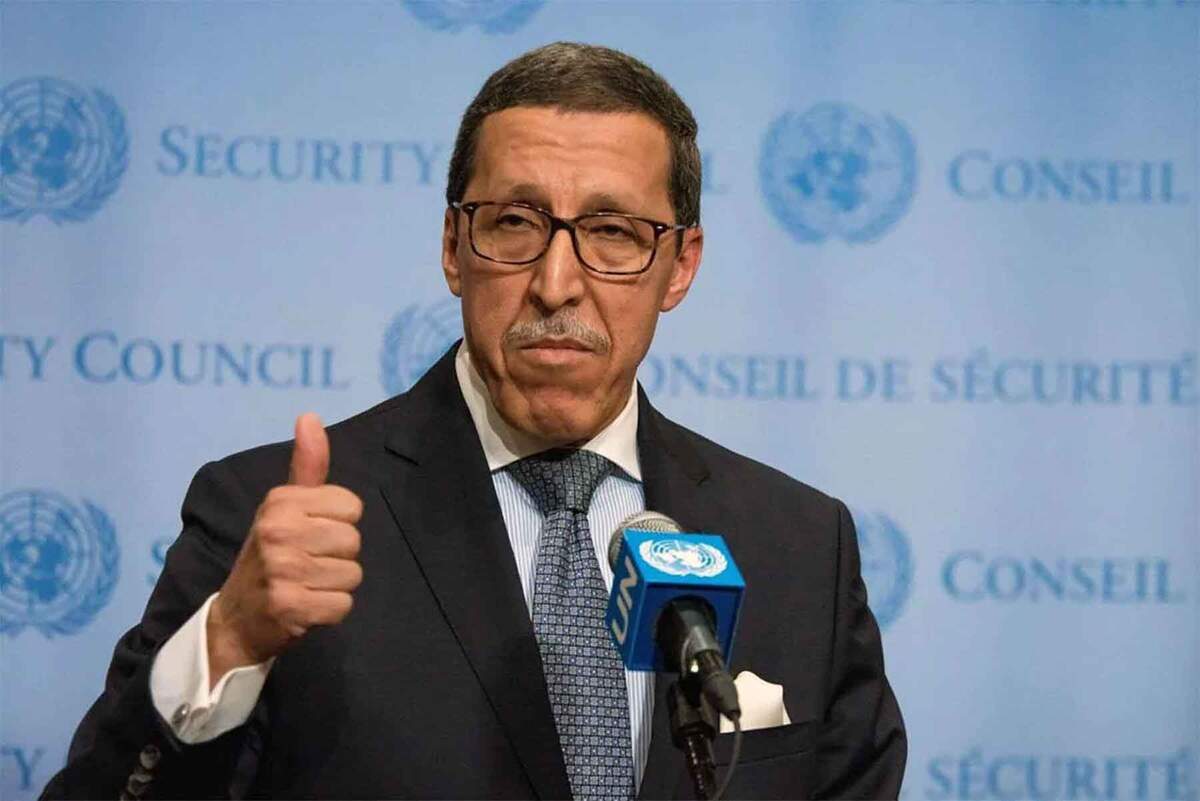
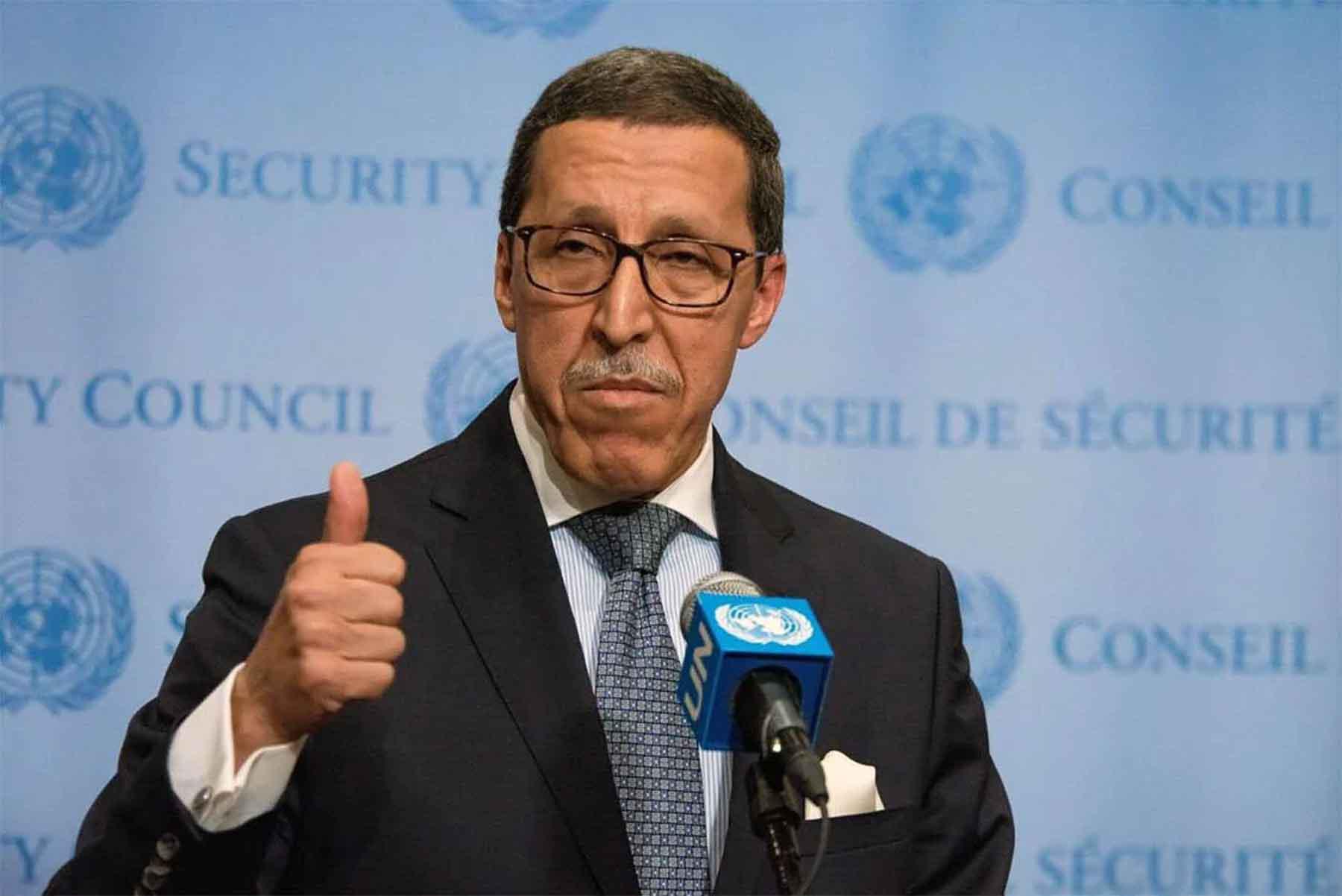
RABAT – Morocco’s Ambassador and Permanent Representative to the United Nations, Omar Hilale, is presiding over the Conference on Disarmament until March 13 in Geneva, Morocco’s Press Agency (MAP) reported.
The kingdom’s presidency of the conference underscores international recognition of the kingdom’s pivotal role as a soft power and stabilising force in regional and global security.
The appointment is more than a ceremonial gesture; it reflects the global community’s trust in a uniquely Moroccan diplomatic model that blends political realism with ethical commitment.
This development crowns a long-standing trajectory of meticulous diplomacy under King Mohammed VI. Observers highlight Morocco’s reputation as a land of stability in a volatile region, positioning it as an honest broker in sensitive dossiers such as nuclear and chemical disarmament.
The high-level conference, scheduled from February 23-25, will host 40 distinguished international figures, including foreign ministers and UN Secretary-General Antonio Guterres. The event represents Morocco’s ability to reinvigorate multilateral diplomacy amid a world increasingly marked by polarisation and geopolitical tension.
Morocco aims to restore a climate of trust between major powers, adopting a proactive diplomatic philosophy that seeks to transform conflicts into opportunities for dialogue. The kingdom has already demonstrated its capacity in this regard, notably in the Libyan crisis.
Through the Skhirat Agreement and subsequent Bouznika talks on Libyan crisis, Morocco provided a neutral platform for Libyan parties, insulating the region from potentially destabilising external interference.
Beyond politics, Morocco’s role extends to security and intelligence. Its counterterrorism model, combining field operations, international cooperation, and religious reform, is considered a benchmark worldwide. In Africa, Morocco integrates development initiatives with security measures, addressing root causes of instability across the Sahel and Sahara regions, reflecting the belief that sustainable stability requires both human and economic development alongside security interventions.
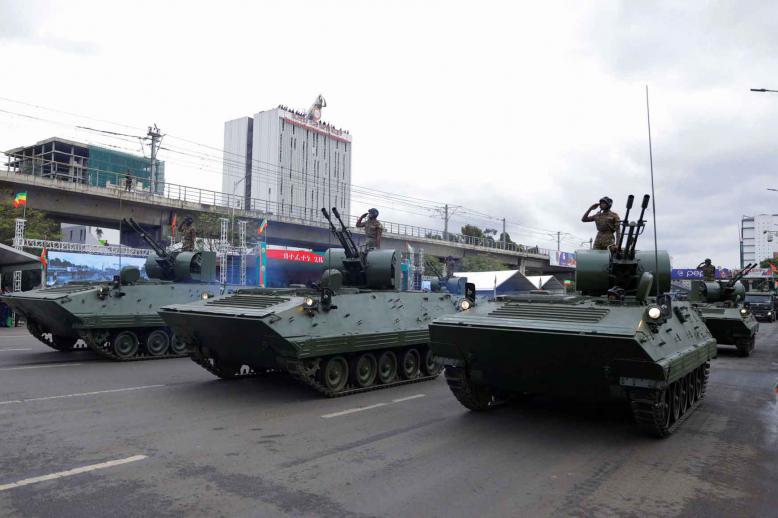
Morocco’s commitment to global peace is also tangible on the ground. It is a leading contributor to UN peacekeeping missions, with Royal Armed Forces deployed in high-risk zones such as the Central African Republic and the Democratic Republic of the Congo. Moroccan contingents provide civilian protection, secure political transitions, and operate field hospitals, offering humanitarian aid alongside military assistance. The professionalism and discipline of Moroccan troops have earned repeated international praise.
In the current complex geopolitical context, Morocco’s leadership of the disarmament conference seeks to leverage quiet diplomacy to bridge gaps between nuclear and non-nuclear states, linking arms reduction with sustainable development. The kingdom advocates that funds allocated to armaments could instead save millions from poverty and mitigate climate change.
Rabat is expected to steer the conference out of a prolonged period of stagnation, initiating substantive negotiations on new treaties that enhance global security. Observers describe Morocco’s presidency as a “seal of approval” for its foreign policy, reaffirming its status not just as a stabilising regional actor, but as a strategic global partner committed to a rules-based, multilateral world order.