


A symbolic step towards rebuilding trust between state institutions and citizens
Syria amnesty ends ‘state security’ rulings before December 2024
The decree excludes crimes involving “serious violations against the Syrian people,” including torture, human trafficking, organised crime, prostitution and theft.
Thursday 19/02/2026
A symbolic step towards rebuilding trust between state institutions and citizens
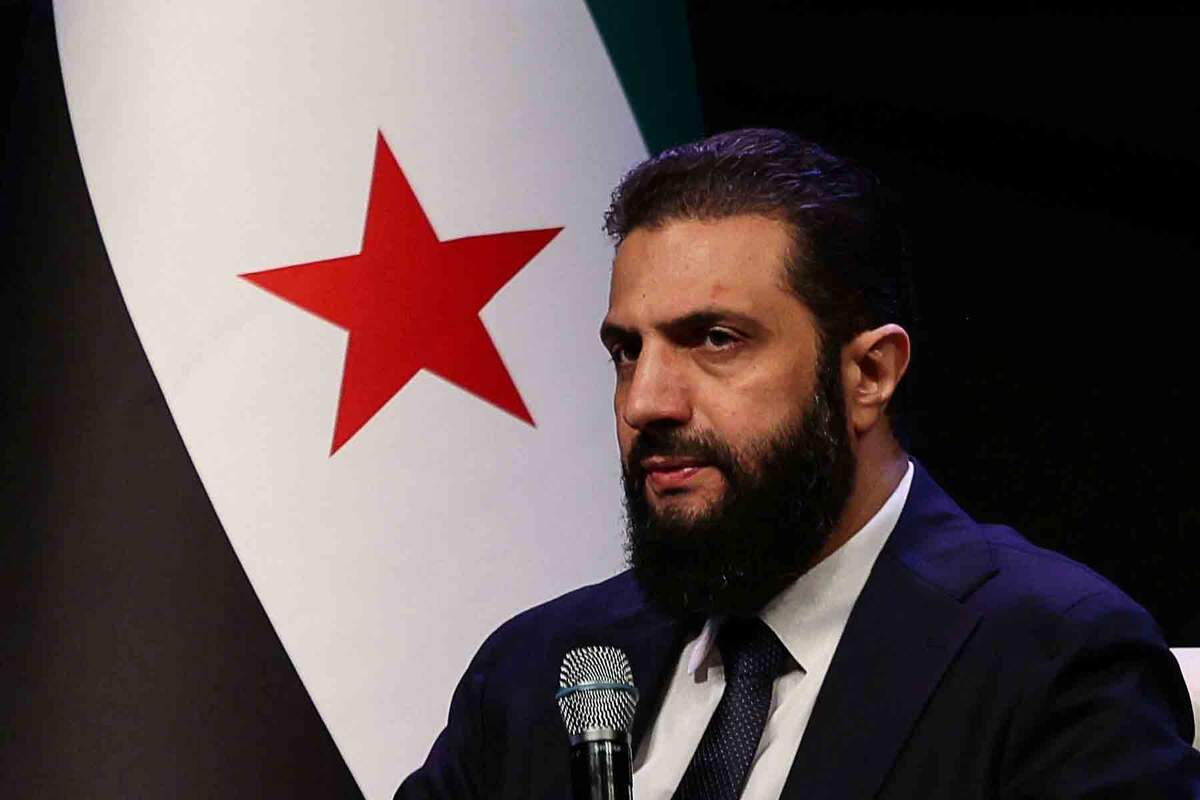
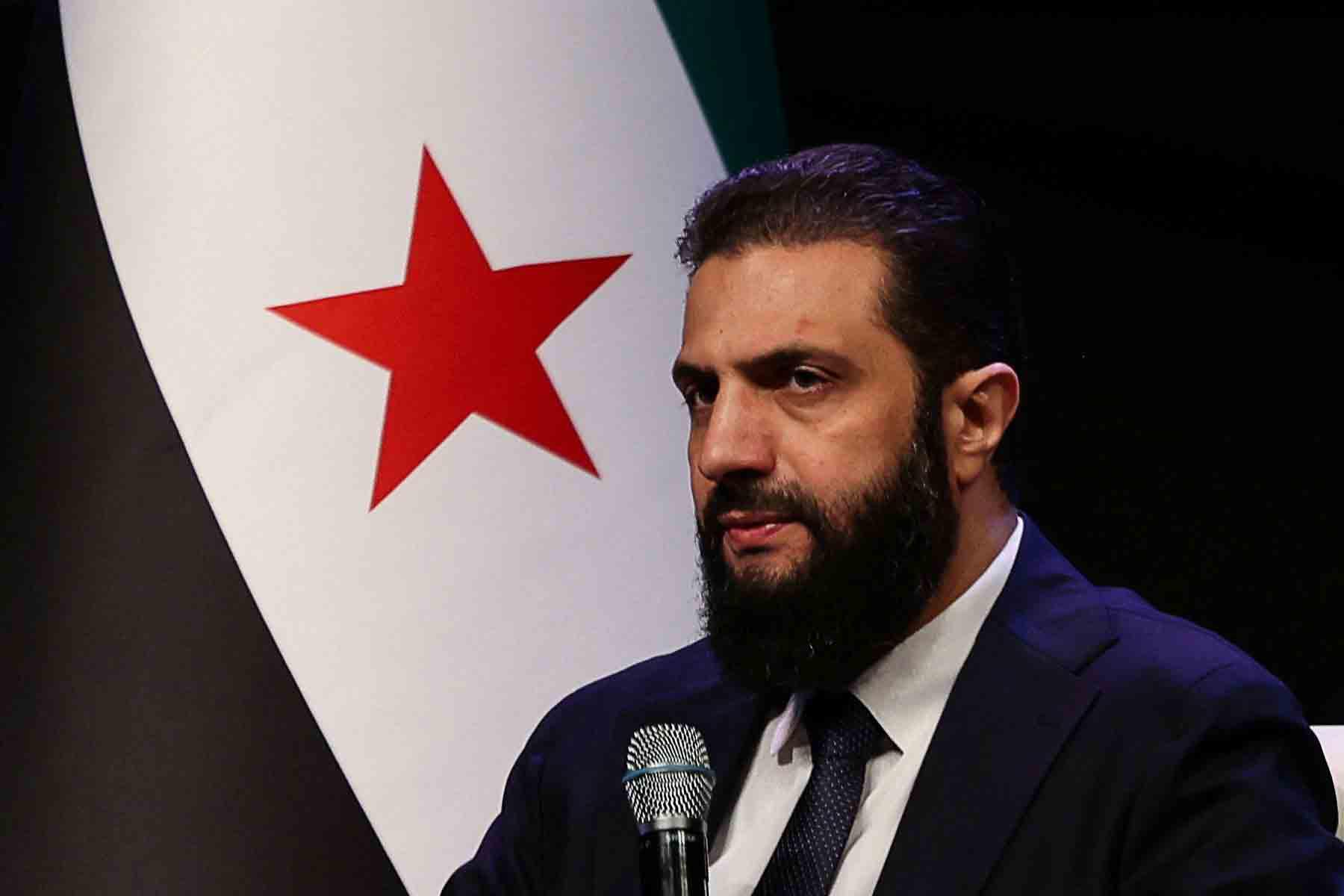
DAMASCUS – Syria’s President, Ahmed al-Sharaa, has issued a sweeping general amnesty covering crimes committed before December 8, 2024, in a move widely interpreted as an effort to close the contentious chapter of “State Security” rulings issued under the former regime of Bashar al-Assad.
According to the official Syrian Arab News Agency, SANA, the decree encompasses felonies relating to internal and external state security, offences under the Military Penal Code and certain crimes stipulated in the Cybercrime Law, provided they were committed before the date marking the collapse of Assad’s rule.
That date, December 8, 2024, signalled the end of more than two decades of Assad’s presidency, after Syrian factions led by Hayat Tahrir al-Sham seized control, ushering in a transitional political phase.
Closing the ‘political detainees’ file
The amnesty responds to long-standing human rights demands to overturn politically-motivated sentences handed down during the years of conflict. Observers say the measure is designed to close the file of political detainees prosecuted under sweeping state security and counter-terrorism laws frequently used against opposition figures.
Under the decree, life imprisonment and life detention sentences are reduced to fixed-term imprisonment of 20 years. Full exemption is granted to prisoners suffering from terminal, incurable illnesses requiring assistance, as well as to those aged over 70, subject to medical assessment by committees appointed by the justice minister.
The decree also sets out detailed mechanisms for implementation. In cases involving personal harm, sentence reductions apply only if the victim waives personal rights; compensation alone does not constitute a waiver. Victims who have not yet filed personal claims are granted a three-month window to do so.
Conditional amnesty applies to certain offences. Kidnapping charges may be waived if the perpetrator voluntarily releases the victim without harm or compensation within one month of the decree’s issuance. Weapons-related offences are eligible for pardon provided unlicensed arms are surrendered within three months.
Clear red lines
Significantly, the decree excludes crimes involving “serious violations against the Syrian people,” including torture, human trafficking, organised crime, prostitution and theft of public infrastructure such as electricity and telecommunications networks. Offences criminalised under Syria’s anti-torture legislation are also exempt.
The exclusions are seen as an attempt by the new administration to signal a break with past abuses and to reassure both domestic and international audiences that grave human rights violations will not go unpunished.
Fugitives are given 60 days to surrender to benefit from the amnesty. The decree takes immediate effect upon publication in the Official Gazette.
Reconciliation and refugee return
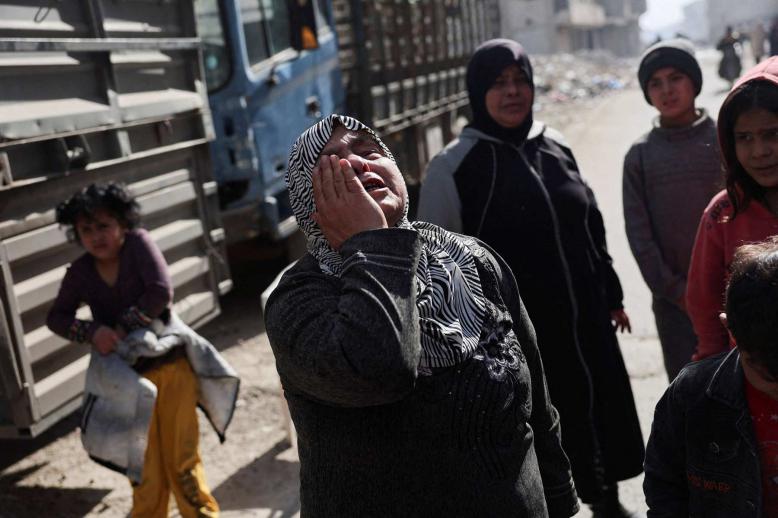
Analysts suggest the move could pave the way for the return of refugees and internally-displaced Syrians who had faced outstanding warrants or convictions under former security laws. By easing legal obstacles and reducing sentences, the government hopes to facilitate reintegration and stabilisation after years of conflict.
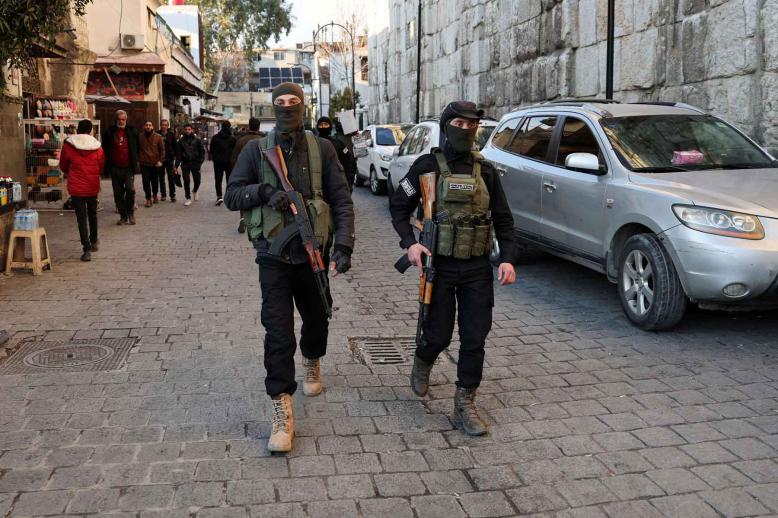
Overall violence has declined markedly in recent years, and authorities have sought to consolidate centralised security management while curbing retaliatory violence linked to earlier phases of the war. The amnesty, observers say, forms part of a broader strategy of transitional justice, blending legal settlement with political reconciliation.
For supporters, the decree represents both a symbolic and practical step towards rebuilding trust between state institutions and citizens. For critics, its ultimate significance will depend on how transparently and consistently it is implemented.
Either way, the announcement marks a decisive attempt by Syria’s new leadership to turn the page on one of the most contentious legacies of the Assad era and to redefine the relationship between power, justice and dissent in the country’s next chapter.