

Shared security priorities and converging strategic interests
Morocco-France friendship treaty set to anchor long-term alliance
The agreement reflects an evolution in France’s perception of Morocco. No longer viewed merely as a traditional ally, Rabat is increasingly seen in Paris as a pivotal regional power.
Friday 20/02/2026
Shared security priorities and converging strategic interests
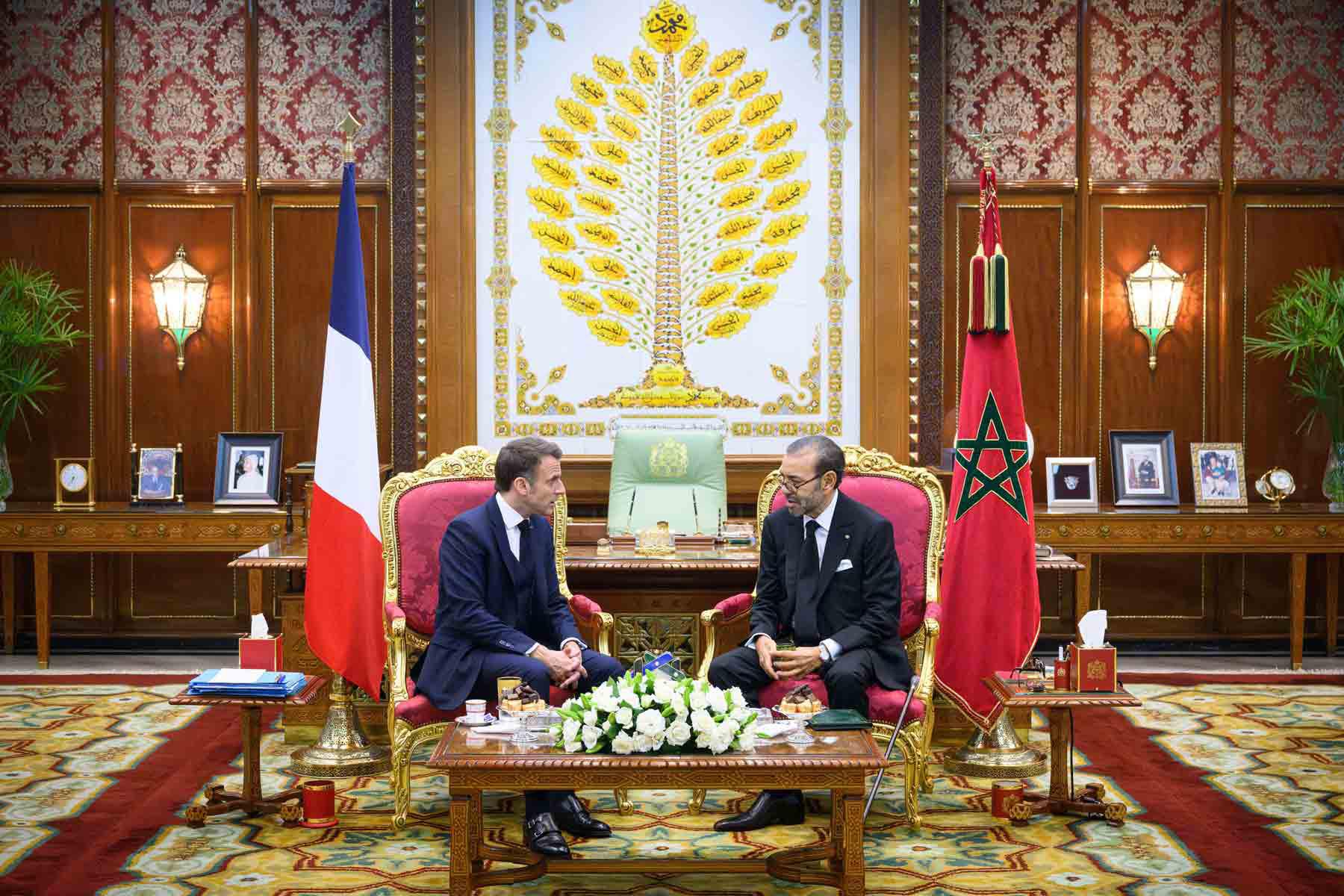
RABAT/PARIS – A friendship treaty expected to be signed this year between Morocco and France is being framed as far more than a routine diplomatic accord. Officials and analysts describe it as the declaration of a “new era” that will reshape the historic relationship between Rabat and Paris on solid strategic foundations.
The agreement reflects a marked evolution in France’s perception of Morocco. No longer viewed merely as a traditional ally, Rabat is increasingly seen in Paris as a pivotal regional power and an indispensable partner, strategically positioned at the crossroads of Europe, the Mediterranean and Africa.
France now regards Morocco as a gateway to Atlantic Africa and the Sahel, particularly at a time of profound geopolitical shifts and a diminishing French presence in parts of West Africa. In this context, Rabat offers what French officials consider a model of South–South cooperation and relative political stability.
Security cooperation lies at the heart of the renewed partnership. Paris places high importance on Morocco’s role in counter-terrorism, combating transnational crime and managing migration flows, areas deemed vital to French and broader European security.
Relations between the two countries have gathered significant momentum since France’s 2024 declaration of firm support for Morocco’s sovereignty over Western Sahara. Paris also pledged to play a more prominent role in international forums to advance Morocco’s position.
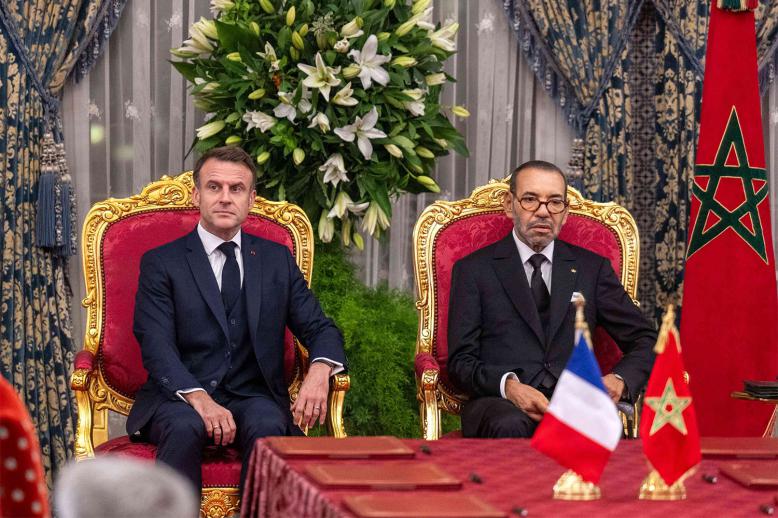
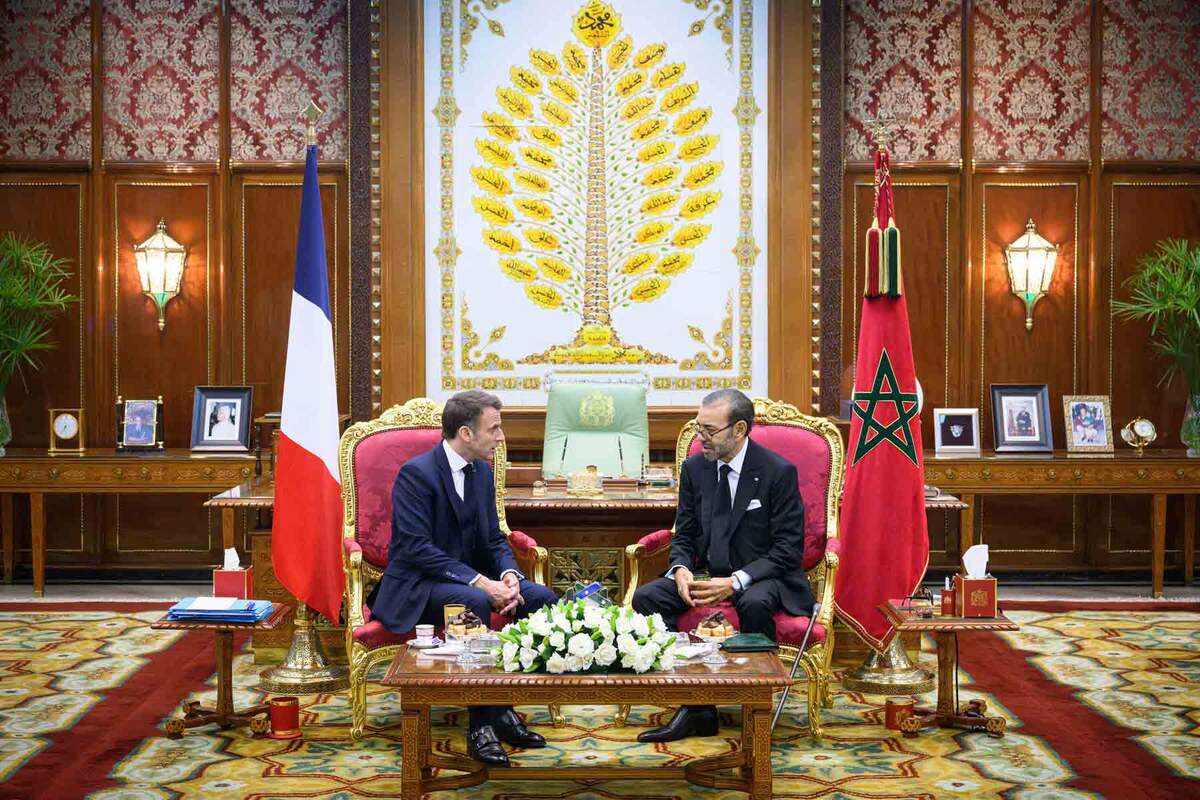
According to Africa Intelligence, the treaty is expected to be signed during an anticipated official visit by King Mohammed VI to the French capital, a move that would imbue the agreement with considerable political and symbolic weight.
Informed sources say the treaty will embed France’s backing of Morocco’s claim to Western Sahara into what they describe as French “state doctrine,” elevating it beyond a transient political stance. Such a shift could reinforce Morocco’s position within the UN Security Council, where France holds permanent membership.
To prepare the ground for the treaty, the two countries have established a joint commission of around 12 prominent figures tasked with outlining proposals for the future of bilateral ties. Among them are Mostafa Terrab, CEO of Morocco’s OCP phosphate group; Chakib Benmoussa, Morocco’s High Commissioner for Planning and former ambassador to Paris; and veteran French diplomat Hubert Védrine.
The composition of the panel underscores a desire to craft a long-term roadmap extending beyond immediate economic or political interests towards a decades-long strategic vision. Benmoussa, in particular, is regarded as a trusted figure capable of navigating complex dossiers, combining economic oversight with extensive diplomatic experience in France.
The treaty and its associated agreements are expected to include substantial French investment in Morocco’s southern provinces, a move that would translate political recognition into tangible economic engagement.
Observers suggest that the signing of an accord of this magnitude with France, a major diplomatic force within the European Union, would send a decisive signal to the international community regarding the trajectory of the Western Sahara dispute. It would reinforce Rabat’s assertion that any resolution must take place within the framework of Moroccan sovereignty.
If finalised as anticipated, the treaty would not simply reaffirm a historic partnership. It would formalise a recalibrated alliance shaped by shifting regional dynamics, shared security priorities and converging strategic interests across Europe, the Mediterranean and Africa.