



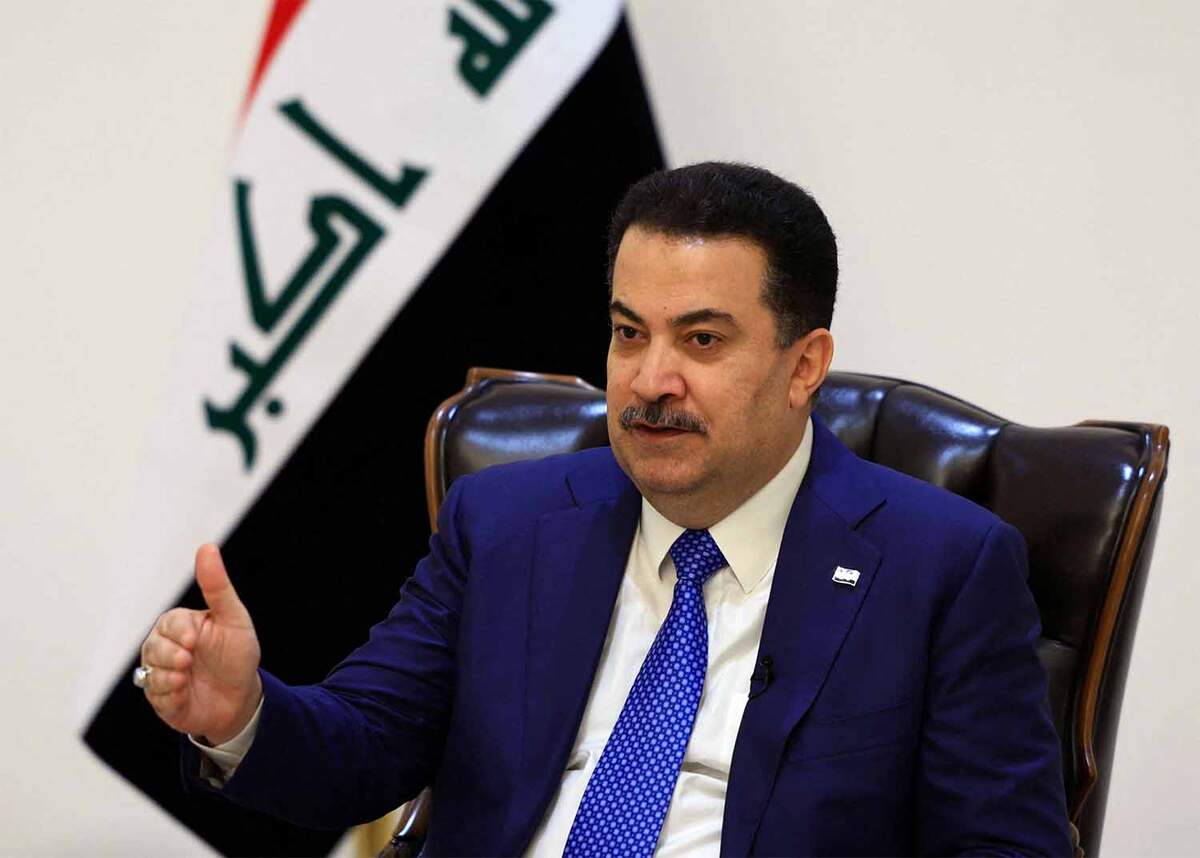
The letter underscores how Iraq's government formation has become a key arena in the larger US-Iran contest for regional dominance
US outlines 7 demands for Iraq's next PM in diplomatic letter
The letter places heavy emphasis on reducing Iranian influence in Baghdad's political and security affairs amid ongoing US-Iran tensions and Iraq's prolonged government formation process following the November 2025 elections.
Friday 20/02/2026
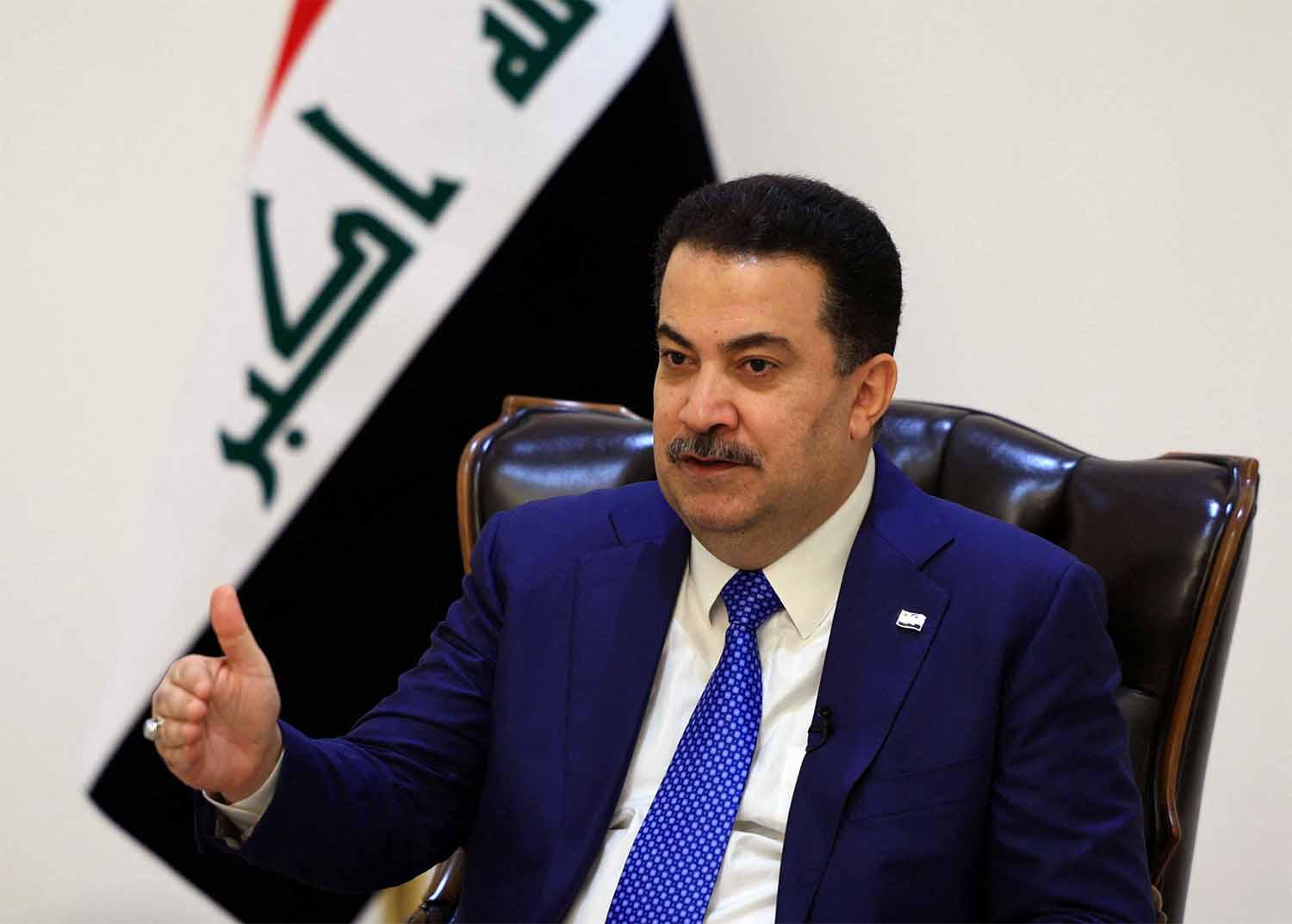
The letter underscores how Iraq's government formation has become a key arena in the larger US-Iran contest for regional dominance
WASHINGTON - The United States delivered a pointed diplomatic message to Iraqi leaders, outlining seven specific demands for the selection and performance of the country's next prime minister.
The letter, reported by Al-Monitor on Thursday, places heavy emphasis on reducing Iranian influence in Baghdad's political and security affairs amid ongoing US-Iran tensions and Iraq's prolonged government formation process following the November 2025 elections.
The seven demands
According to sources familiar with the correspondence, the US letter specifies the following conditions for the incoming prime minister and the government they lead:
- Elect a prime minister who prioritizes Iraqi national interests above external alignments, particularly those tied to Tehran.
- Institutionalize and bring the Popular Mobilization Units (PMU) — a coalition of mostly Shia militias, many backed by Iran — fully under state control, limiting their independent operations.
- Reduce corruption and combat money laundering, with a focus on disrupting illicit financial networks that benefit Iranian-aligned groups.
- Limit or exclude Iranian-backed militias from key positions in the new cabinet and security apparatus.
- Strengthen Iraq's sovereignty by curbing foreign interference, especially from Iran, in domestic governance and decision-making.
- Enhance cooperation with the United States on security, counterterrorism, and economic matters as a partner rather than a conduit for regional rivals.
- Implement reforms to promote inclusive governance, economic diversification away from oil dependency, and accountability to prevent sectarian divisions.
The demands reflect the Trump administration's broader strategy to weaken Iran's regional proxy network, particularly in Iraq, where Tehran has long exerted influence through political parties, militias, and economic ties.
Context amid government formation deadlock
Iraq remains without a new government more than three months after parliamentary elections, with the Shia Coordination Framework — the largest bloc — initially nominating former Prime Minister Nouri al-Maliki in late January 2026. Maliki, who served from 2006 to 2011, is widely viewed in Washington as closely aligned with Iran and responsible for sectarian policies that fueled instability and the rise of ISIS.
President Donald Trump publicly rejected Maliki's candidacy on Truth Social in late January, warning that the US would "no longer help Iraq" if he returned to power. Subsequent reports indicated threats of severe measures, including restrictions on Iraq's access to oil revenues held at the Federal Reserve Bank of New York — a lifeline accounting for roughly 90% of the federal budget.
The US letter, delivered amid these pressures, appears to formalize Washington's red lines. It builds on earlier warnings, including potential sanctions against Iraq's Central Bank, Oil Ministry, and officials linked to Iranian-backed groups if Maliki's nomination persists.
Some Framework factions have since signaled willingness to reconsider Maliki, with reports suggesting a possible extension of caretaker Prime Minister Mohammad Shia al-Sudani's term or selection of a compromise figure acceptable to both domestic stakeholders and Washington.
Broader geopolitical stakes
The demands arrive as US-Iran indirect negotiations continue, with Washington pushing Tehran to curb its nuclear program, ballistic missiles, and support for proxies — including Iraqi militias. Iraq sits at the heart of this rivalry: US forces maintain a presence for counter-ISIS operations, while Iranian-aligned groups have targeted American interests in the past.
By conditioning future cooperation — and implicitly threatening economic leverage — on compliance, the US seeks to reshape Iraq's political landscape.
Analysts note that success could enhance Iraqi sovereignty and stability, but failure risks deepening divisions or triggering financial crisis.