


Precise level of coordination with Ramallah has not yet been clarified
Israel’s stance challenged as reports point to PA role in Gaza’s future
The National Committee for the Administration of Gaza announced the opening of applications for recruitment into a new police force, coinciding with the first meeting of the Peace Council.
Friday 20/02/2026
Precise level of coordination with Ramallah has not yet been clarified
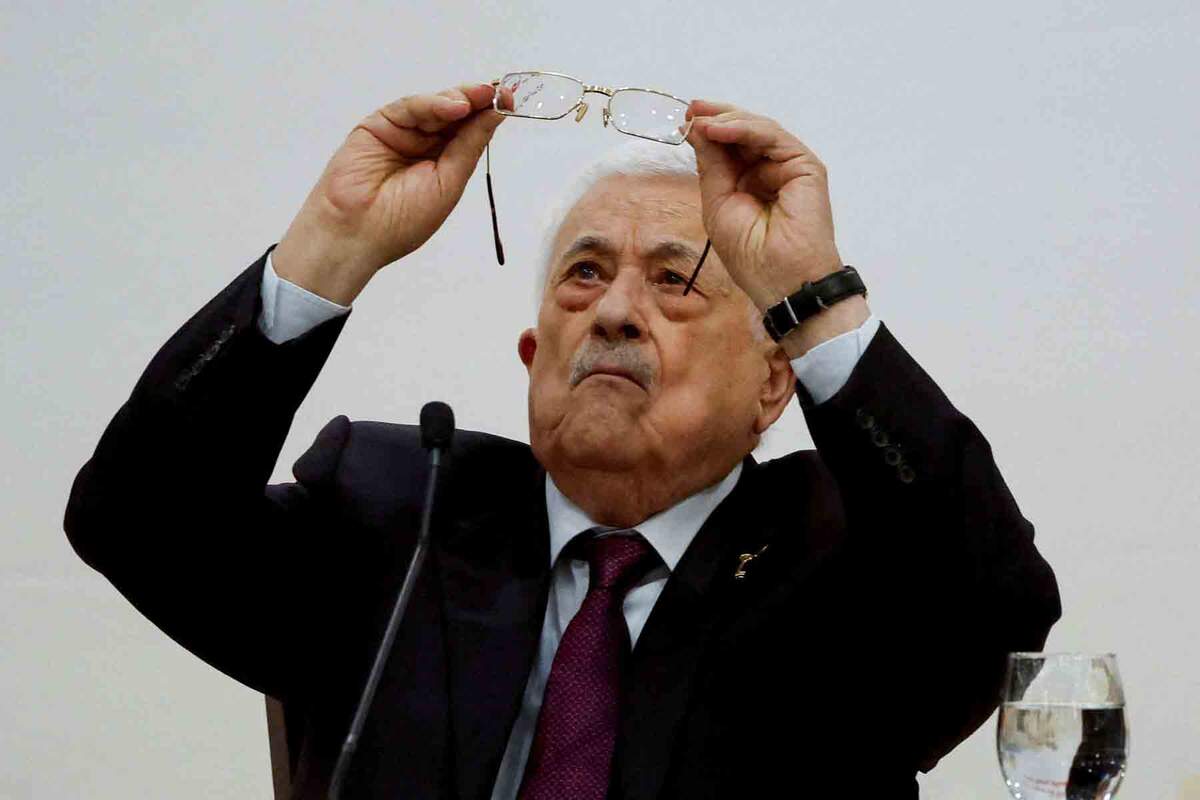
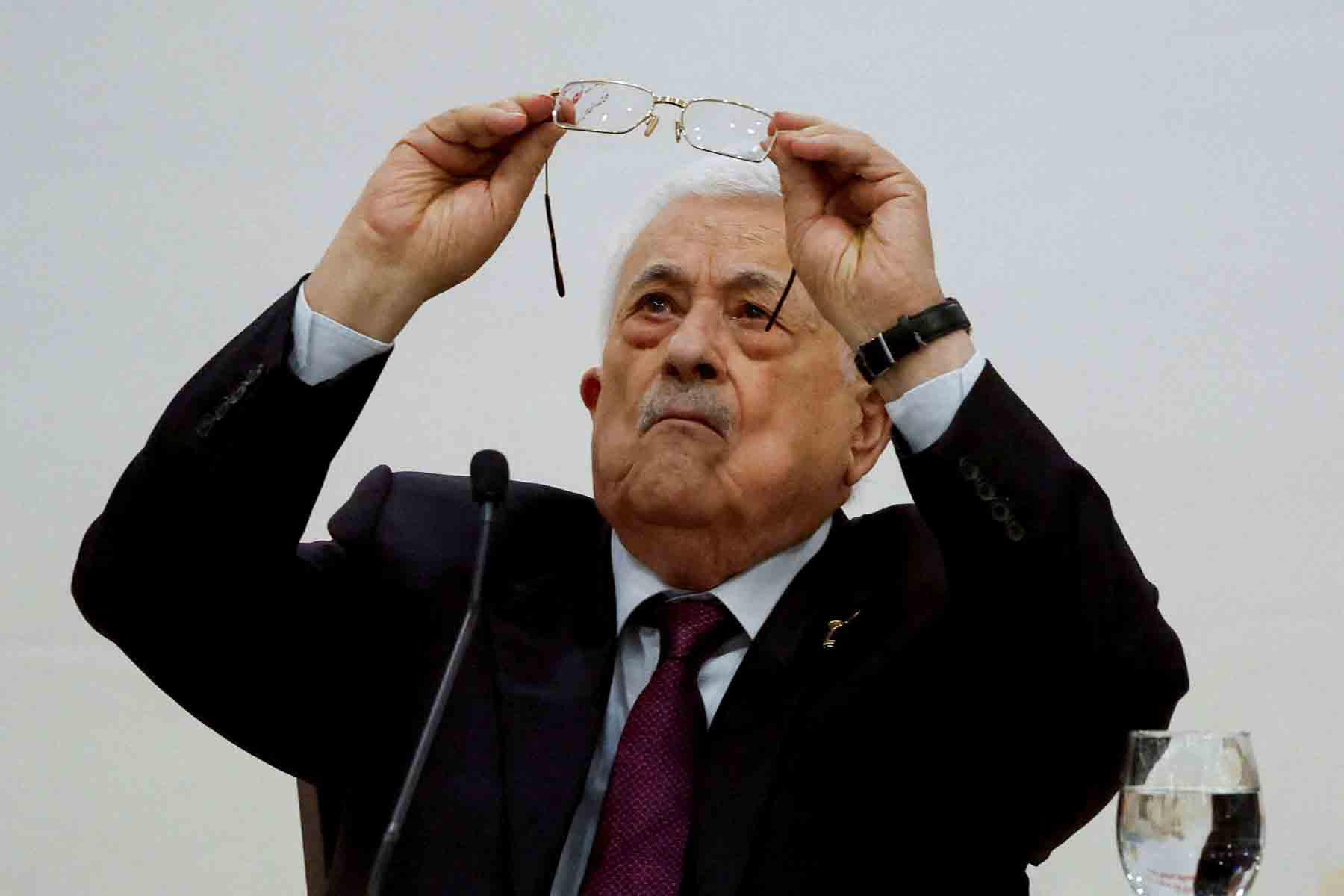
GAZA CITY – The Palestinian Authority (PA) may soon play a role in administering the Gaza Strip alongside Israel, according to well-informed Israeli media sources, in a development that appears to diverge from the repeated public stance of Israeli Prime Minister Benjamin Netanyahu, who has consistently rejected any involvement by Ramallah in Gaza’s post-war future.
The reports emerged following a meeting of the newly formed “Peace Council” chaired by US President Donald Trump. According to documents presented at the gathering and cited by Israel’s Kan public broadcaster, the council’s High Commissioner would coordinate with both Israel and the Palestinian Authority, indicating the possibility of PA participation in future governance arrangements for Gaza. However, the precise level of coordination with Ramallah, whether political or technical, has not yet been clarified.
The apparent shift stands in contrast to official Israeli statements. Earlier this month, senior figures in Netanyahu’s office reiterated their firm opposition to any role for the Palestinian Authority in Gaza’s administrative affairs. The reaction followed controversy over the adoption of a new emblem by the National Committee for the Administration of Gaza, which featured the “Eagle of Saladin,” a symbol associated with the Palestinian Authority, prompting sharp criticism within Israeli political circles.
Despite these public objections, developments on the ground suggest a more complex reality. Field reports indicate that officials linked to the Palestinian Authority are already involved in operating the Rafah crossing, underscoring the gap between formal political declarations and practical arrangements.
Amid these manoeuvres, the National Committee for the Administration of Gaza announced the opening of applications for recruitment into a new police force, coinciding with the first meeting of the Peace Council. In a statement posted on X, the committee said the opportunity was open to qualified men and women wishing to serve their community through the police service, stressing the importance of meeting required criteria.
Applicants must be residents of the Gaza Strip, aged between 18 and 35, with no criminal record and in good physical condition to carry out assigned duties. The committee said the initiative aims to build a new civilian police cadre as part of efforts to stabilise local governance and create a secure environment for residents following months of devastating conflict.
The Peace Council itself has generated mixed reactions internationally. World leaders who accepted Trump’s invitation to join the new body at its inaugural session in Washington were met with a blend of personal praise and media spectacle.
However, several key US allies declined to participate in the council, which was established in September with the stated aim of overseeing Gaza’s reconstruction and potentially evolving into a broader global conflict-resolution forum. Some critics argue that its mandate could overlap or even conflict with that of the United Nations.
Although Gaza is described as the council’s top priority, Trump did not address the Middle East conflict in detail until 25 minutes into his opening remarks, initially focusing instead on commending world leaders and commenting on their appearance, wealth and influence. He told attendees that the Peace Council would function “almost like an oversight body over the United Nations … They need help.”
As diplomatic discussions continue and reconstruction plans take shape, uncertainty remains over who will ultimately govern Gaza and under what framework. The suggestion of a possible Palestinian Authority role, even if limited, signals a potentially significant recalibration of positions that could reshape the enclave’s political landscape after the war.