

Kallas: The EU views Morocco’s autonomy proposal as a credible basis for negotiations
EU stands firm on Morocco deal, rejects criticism from left-wing bloc
EU economic and trade agreements cannot be interpreted as a substitute for the political process overseen by the United Nations,” Kallas said.
Monday 23/02/2026
Kallas: The EU views Morocco’s autonomy proposal as a credible basis for negotiations
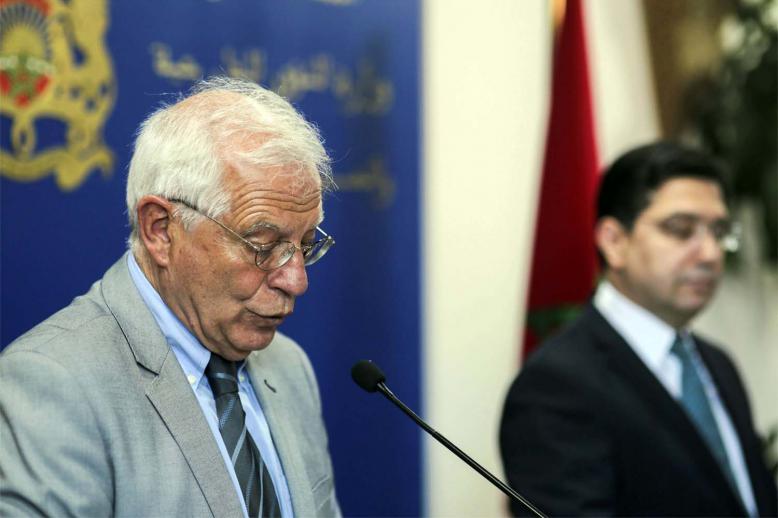
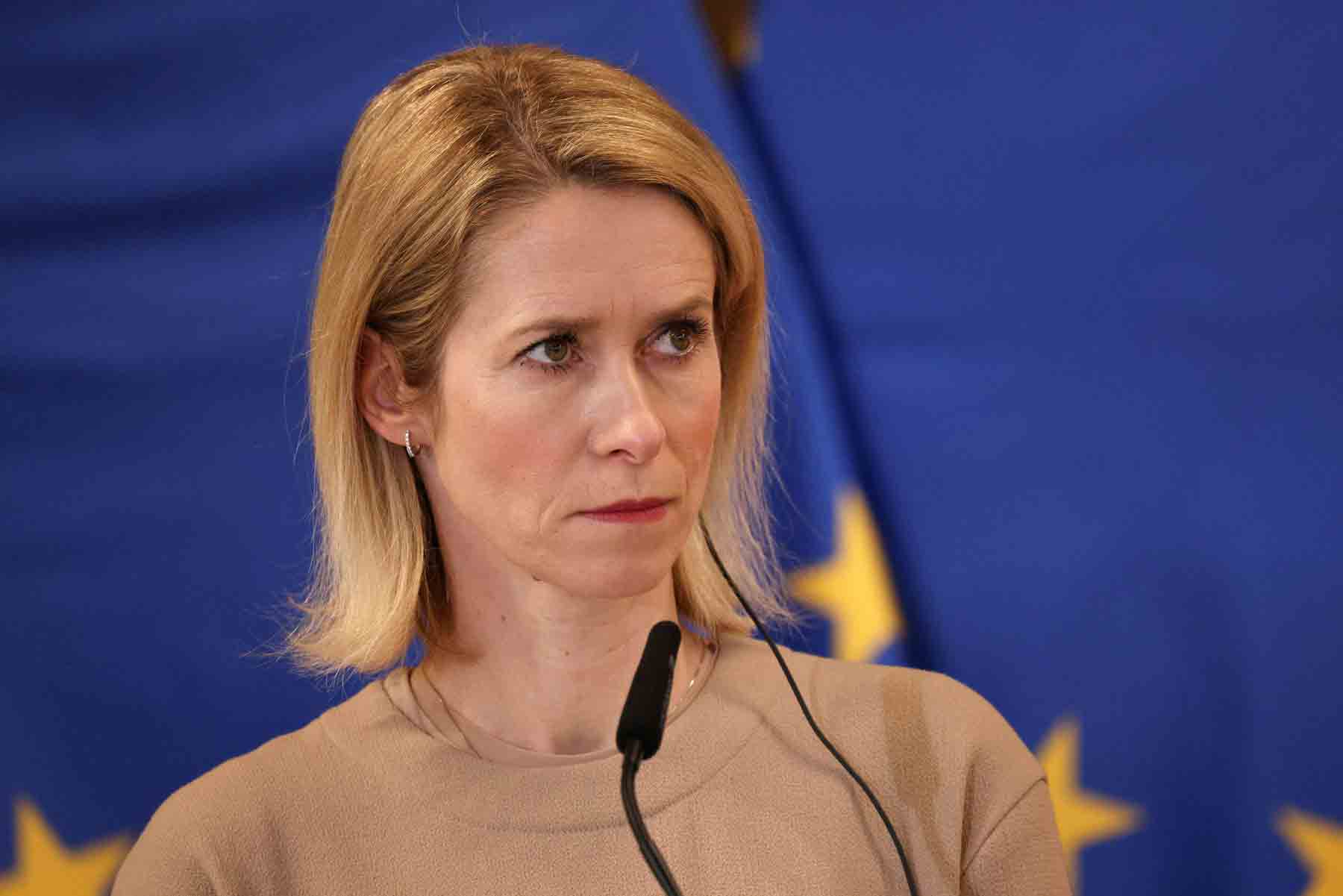
BRUSSELS – The European Union has formally reinforced the legal foundation of its partnership agreement with Morocco, delivering a clear political and institutional message in response to attempts to challenge the accord. High Representative for Foreign Affairs Kaja Kallas issued a written response to questions from members of the European Parliament, underlining a consensus across Brussels’ decision-making circles.
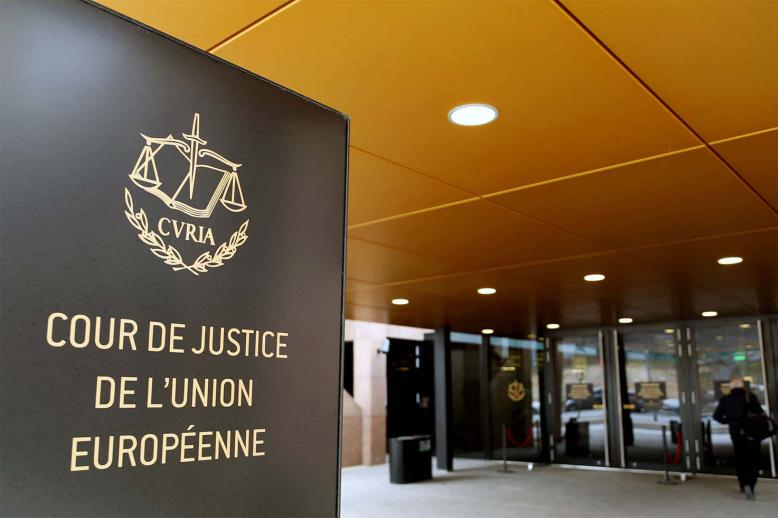
The official reply emphasised that the exchange of letters between the EU and Morocco in October 2025 forms an integral part of the legal framework governing bilateral relations. It “meets the conditions established by the EU Court of Justice, particularly regarding tangible and verifiable benefits for the populations concerned,” Kallas stated. The clarification acts as a formal safeguard against any legal or political interpretations that might seek to question the legitimacy of the partnership.
Kallas further highlighted that the legal status of Western Sahara remains a special case under United Nations classification and confirmed that the EU’s engagement with the issue adheres strictly to international law and the UN-led process.
“EU economic and trade agreements cannot be interpreted as a substitute for the political process overseen by the United Nations,” she added.
The European official also stressed that the EU’s position is based on a collective consensus of its 27 member states, reaffirmed during the EU-Morocco Association Council meeting in January 2026. This consensus aligns with UN Security Council Resolution 2797, which calls for continued negotiations without preconditions, indicating that the EU’s approach is a stable institutional policy rather than a transient stance.
In her response, Kallas reiterated that the EU views Morocco’s autonomy proposal as a credible and practical basis for negotiations, while maintaining the principle of self-determination within a mutually agreed political solution, in line with international law and the UN Charter. Analysts see this position as a dual-message: it reassures Rabat of the stability of the strategic partnership, while curbing attempts by parliamentary or judicial bodies to reopen debates over the legality of bilateral agreements.
Observers note that the EU’s stance has significant geopolitical implications. By consolidating strategic partnerships with Southern Mediterranean countries, Brussels projects itself as a balanced actor that aligns economic interests with international legal obligations, avoiding unilateral interpretations that could be politically misread.
The written response signals that EU institutions prefer to establish clear rules rather than leaving agreements open to interpretation. In effect, the EU’s statement serves as a legal and political seal on the partnership agreement, affirming its legitimacy and closing the door on future disputes.
Meanwhile, critics of the agreement, particularly a coalition of left-wing and green MEPs, had challenged the EU’s support for Morocco, claiming that the bloc was abandoning international law by endorsing the autonomy plan. Kallas dismissed these claims, noting that the challenge was ideological rather than legal. She pointed out that the autonomy plan represents “one of the most realistic solutions” and that Morocco has committed to engaging in good faith with all parties concerned to clarify the modalities of the proposal.
The controversy underscores the EU’s need to balance adherence to international law with strategic partnerships, particularly given the complex regional dynamics surrounding Western Sahara. The written reply not only affirms the EU’s commitment to a structured, law-based approach but also highlights the bloc’s awareness of regional security and geopolitical stability.