



Renewed diplomacy
Third round of nuclear talks looms as Iran floats major concessions
As Thursday’s talks approach, the gap between the two sides remains wide, over enrichment, sanctions relief, missile restrictions and regional influence.
Monday 23/02/2026
Renewed diplomacy
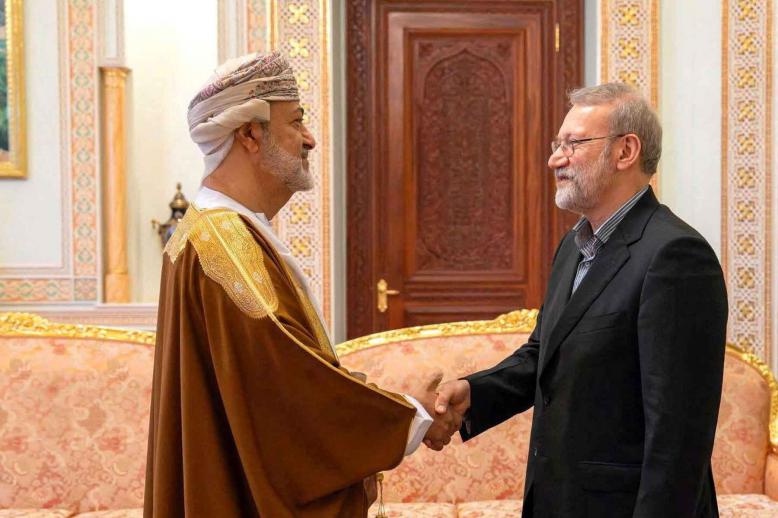
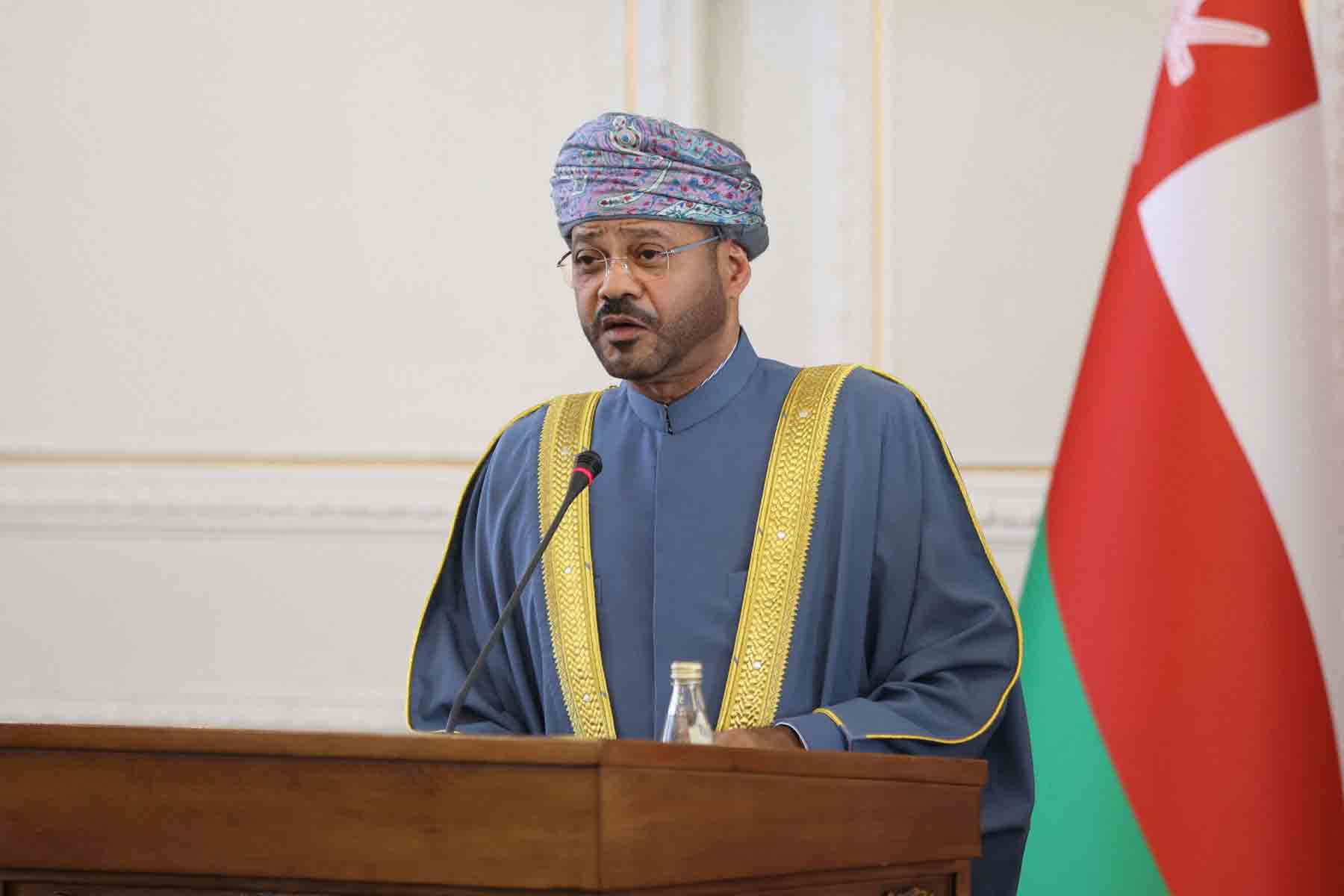
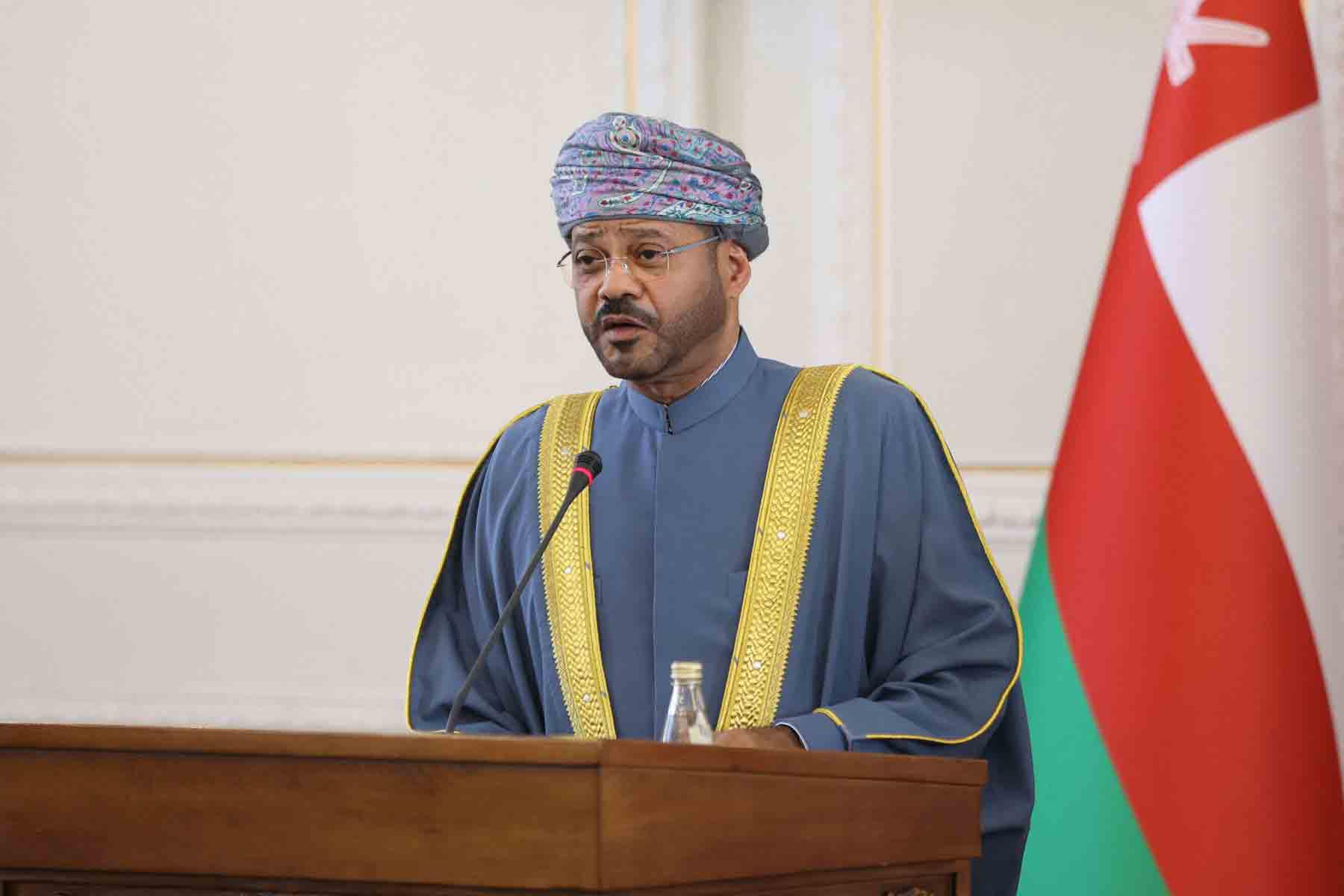
MUSCAT/DUBAI – Iran and the United States will hold a third round of nuclear negotiations on Thursday in Geneva, Oman’s Foreign Minister Badr Albusaidi confirmed on Sunday, as both sides edge closer to either a fragile diplomatic breakthrough or possible military confrontation.
“Pleased to confirm US-Iran negotiations are now set for Geneva this Thursday, with a positive push to go the extra mile towards finalising the deal,” Albusaidi said. Oman has been mediating indirect talks between Washington and Tehran.
The renewed diplomacy comes amid mounting regional tensions and a significant US military build-up in the Middle East. President Donald Trump warned on Thursday that “really bad things will happen” if no agreement is reached to resolve the longstanding dispute over Tehran’s nuclear programme.
Reuters reported that Iran is offering fresh concessions in an effort to secure a deal, provided it includes the lifting of economic sanctions and recognition of Tehran’s right to “peaceful nuclear enrichment.”
Iran’s President Masoud Pezeshkian struck a cautiously optimistic tone on Sunday, writing on X that recent negotiations had “yielded encouraging signals,” while stressing Tehran’s readiness for “any potential scenario.”
Iran and the United States resumed negotiations earlier this month as Washington reinforced its regional military posture. Tehran has threatened to strike US bases in the region if it is attacked.
Citing officials on both sides and diplomats across the Gulf and Europe, Reuters reported on Friday that Tehran and Washington are sliding rapidly towards military conflict as hopes fade for a diplomatic settlement.
Fresh concessions and sticking points
According to a senior Iranian official, Tehran is prepared to consider a package of measures that would significantly curb its sensitive nuclear activities.
Iran would seriously consider sending half of its most highly enriched uranium abroad, diluting the remainder, and participating in the creation of a regional enrichment consortium, an idea periodically raised during years of Iran-linked diplomacy. In return, Iran seeks formal US recognition of its right to “peaceful nuclear enrichment” under a deal that would also lift crippling economic sanctions.
“Within the economic package under negotiation, the United States has also been offered opportunities for serious investment and tangible economic interests in Iran’s oil industry,” the official said.
Tehran has offered openings for US companies to participate as contractors in its vast oil and gas sectors as part of negotiations aimed at resolving decades of dispute over its nuclear activities.
“Ultimately, the US can be an economic partner for Iran, nothing more. American companies can always participate as contractors in Iran’s oil and gas fields,” the official said, while stressing that Iran would not hand over control of its oil and mineral resources.
The White House did not immediately respond to requests for comment.
Despite these overtures, both sides remain sharply divided, including over the scope and sequencing of sanctions relief. “The last round of talks showed that US ideas regarding the scope and mechanism of sanctions relief differ from Iran’s demands. Both sides need to reach a logical timetable for lifting sanctions,” the official said. “This roadmap must be reasonable and based on mutual interests.”
The official nonetheless stressed that “the possibility of reaching an interim agreement exists” as negotiations continue.
Enrichment dispute and military pressure
A central sticking point remains uranium enrichment on Iranian soil. Washington views domestic enrichment as a potential pathway to nuclear weapons, while Iran insists it is entitled to peaceful enrichment under international law and denies seeking nuclear arms.
Indirect talks last year failed largely because of US demands that Iran forgo enrichment entirely. Tehran has rejected any notion of “zero enrichment,” though it has signalled readiness to compromise on the scale and oversight of its nuclear work.
The International Atomic Energy Agency (IAEA) last year estimated that Iran possessed more than 440 kilogrammes of uranium enriched to up to 60 percent fissile purity, a short technical step from the 90 percent level considered weapons-grade.
Trump’s special envoy, Steve Witkoff, who leads the US side in the talks, underscored Washington’s concerns.
“They’ve been enriching well beyond the number that you need for civil nuclear. It’s up to 60 percent (fissile purity),” Witkoff said. “They’re probably a week away from having industrial, industrial-grade bomb-making material, and that’s really dangerous.”
The United States joined Israel in striking Iranian nuclear sites in June last year, effectively curtailing Iran’s enrichment capacity. Trump said at the time that key nuclear facilities had been “obliterated”. Nevertheless, Iran is believed to retain stockpiles enriched before the strikes, material Washington wants relinquished.
The IAEA has for months called on Iran to permit inspections at three nuclear sites hit during last year’s 12-day Israeli bombing campaign. Since then, Tehran has said its uranium enrichment work has stopped. However, satellite imagery reportedly shows Iran has advanced work at a site bombed by Israel, constructing a concrete shield over a new facility and covering it with soil, according to experts.
Ali Larijani, a close adviser to Iran’s supreme leader, told Al Jazeera that Iran was ready to allow extensive IAEA monitoring to prove it is not pursuing nuclear weapons.
‘Why haven’t they capitulated?’
Public rhetoric has grown increasingly sharp as talks approach.
On Saturday, Witkoff said Trump was curious as to why Iran had not yet “capitulated.”
“I don’t want to use the word ‘frustrated,’ because he understands he has plenty of alternatives, but he’s curious as to why they haven’t … I don’t want to use the word ‘capitulated,’ but why they haven’t capitulated,” Witkoff said in an interview on Fox News’ “My View with Lara Trump”.
“Why, under this pressure, with the amount of seapower and naval power over there, why haven’t they come to us and said, ‘We profess we don’t want a weapon, so here’s what we’re prepared to do’? And yet it’s sort of hard to get them to that place.”
Iran’s Foreign Minister Abbas Araghchi responded sharply on X: “Curious to know why we do not capitulate? Because we are Iranian.”
In an interview with CBS, Araghchi added that a diplomatic solution remained within reach and said he expected to meet Witkoff in Geneva on Thursday, describing “a good chance” of progress.
Meanwhile, Witkoff disclosed that, at Trump’s direction, he had met Iranian opposition figure Reza Pahlavi, the exiled son of the shah ousted in the 1979 Islamic Revolution. He offered no details of the meeting.
Pahlavi, who lives abroad, became a rallying figure for segments of the opposition during anti-government demonstrations last month in which thousands are believed to have been killed, the worst unrest since the revolution. Earlier in February, he said US military intervention in Iran could save lives and urged Washington not to prolong negotiations with Tehran’s clerical leadership.
Beyond the nuclear file
Washington has sought to broaden negotiations to include Iran’s ballistic missile programme and its support for regional armed groups. Tehran has flatly rejected discussing its missiles. However, sources told Reuters that, unlike the missile issue, support for regional proxy groups may not be a red line for Tehran.
Behnam Ben Taleblu of the Foundation for Defense of Democracies argued that Iran’s leadership may be using diplomacy to buy time.
“Iran will use that time for various reasons, including to avoid a strike and to harden nuclear, missile, and military facilities,” he said.
Iranian officials, for their part, argue that a diplomatic settlement would yield economic benefits for both sides, opening the door to limited US commercial involvement while preserving Iranian sovereignty.
As Thursday’s talks approach, the gap between the two sides remains wide, over enrichment, sanctions relief, missile restrictions and regional influence. Yet with US forces massing in the region and Tehran signalling conditional flexibility, Geneva may determine whether diplomacy survives or the crisis slides into open conflict.