

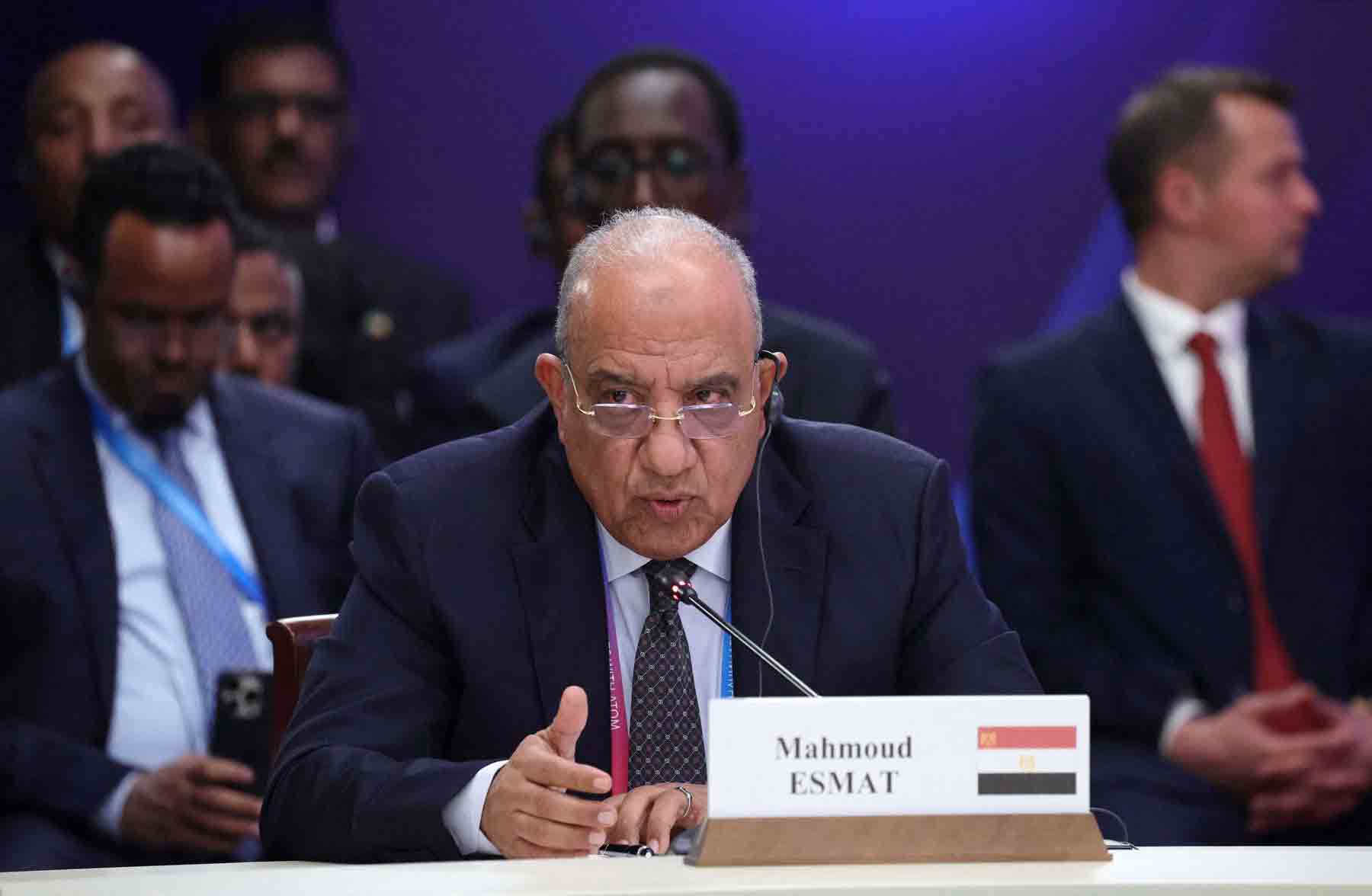
Esmat: This is ‘a strategic step for grid stability and regional energy cooperation’
Saudi-Egypt power link nears launch amid regional energy drive
The interconnection represents the first project of its scale in the Middle East, employing advanced high-voltage direct current technology to transmit electricity over long distances.
Monday 23/02/2026
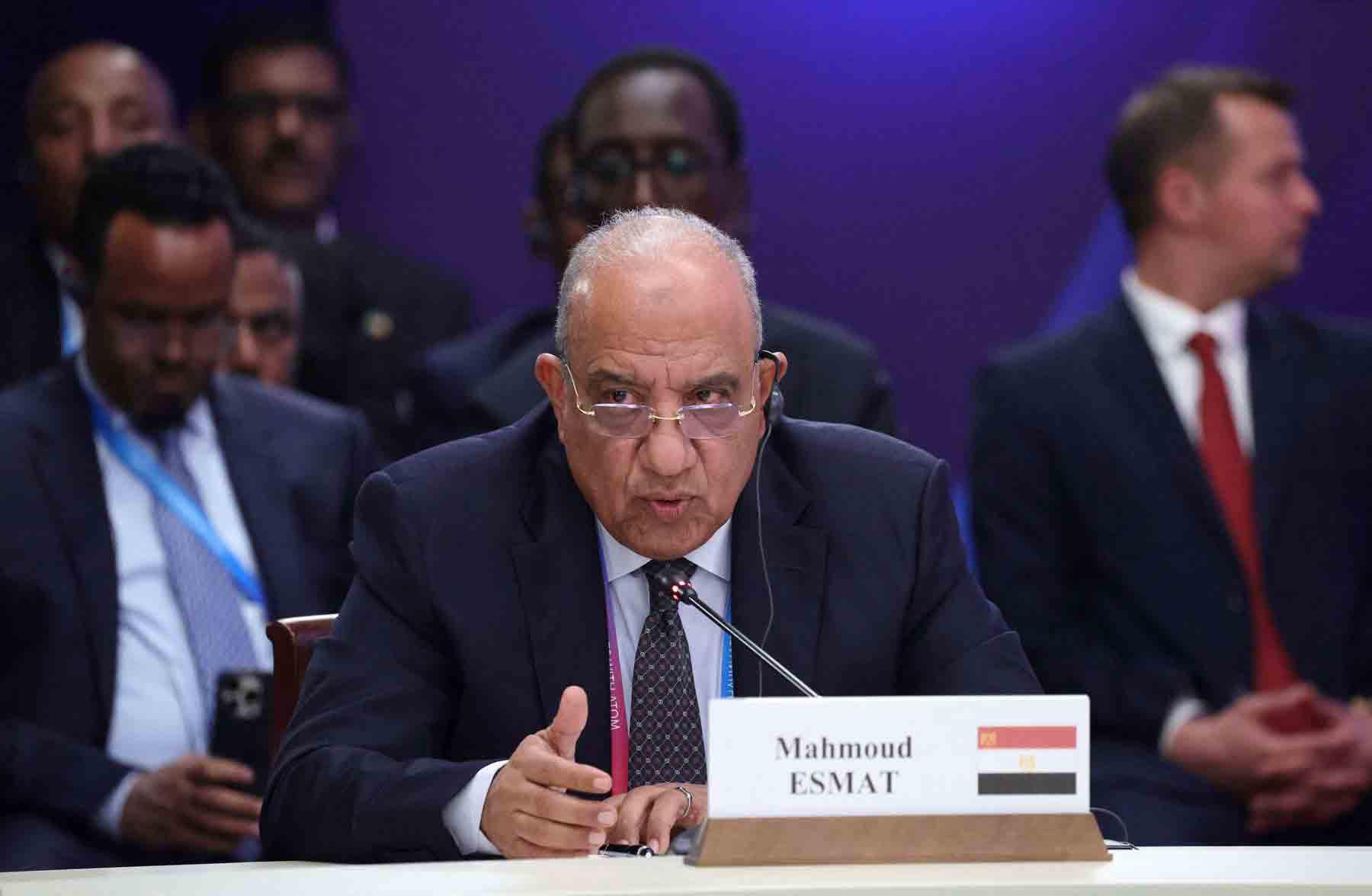
Esmat: This is ‘a strategic step for grid stability and regional energy cooperation’
CAIRO/RIYADH – The landmark electricity interconnection project between Egypt and Saudi Arabia is entering its final phase, bringing the two nations closer to full operational synchronisation of their national power grids and marking a major milestone in regional energy collaboration.
Saudi media reported the start of trial operations over the weekend, with Saudi channel Al Arabiya highlighting the initial testing under the banner “Launch of the Saudi-Egyptian Electricity Link.” Egyptian sources, meanwhile, confirmed that full commercial operations are expected in the coming weeks, following the successful completion of technical trials.
On Saturday, Egypt’s Minister of Electricity and Renewable Energy Mahmoud Esmat conducted a field inspection of the 500 kV direct current converter station in Badr City, east of Cairo. The visit focused on verifying the readiness of all equipment and the completion of testing ahead of full grid connection. Esmat emphasised that the project “paves the way for an integrated electricity network linking Egypt and Saudi Arabia,” describing it as “a strategic step for grid stability and regional energy cooperation.”
The interconnection represents the first project of its scale in the Middle East, employing advanced high-voltage direct current (HVDC) technology to transmit electricity efficiently over long distances. It consists of three major converter stations, one in Badr City and two in Saudi Arabia, linked by 1,350 kilometres of overhead transmission lines and submarine cables across the Red Sea. The system is designed to allow electricity exchange of up to 3,000 megawatts, enhancing the operational flexibility and reliability of both national grids.
Officials note that the interconnection offers multiple benefits. Peak electricity demand in Egypt and Saudi Arabia occurs at different times, and the link will enable both countries to share power during periods of high load, improving grid stability, lowering fuel consumption, and supporting the integration of renewable energy.
The project is also seen as a key step toward broader regional integration. Esmat highlighted its potential to serve as a bridge connecting electricity networks across Africa, Asia and Europe, positioning Egypt and Saudi Arabia as central players in a future transcontinental energy grid.
The launch of the interconnection coincides with Egyptian President Abdel Fattah al-Sisi’s visit to Saudi Arabia, where he is meeting Crown Prince Mohammed bin Salman to discuss strategic and regional matters. According to the Egyptian presidency, the visit reflects the two countries’ commitment to “strengthening historic fraternal relations and continuing coordination on regional and international issues of shared interest.”
The electricity project aligns with Egypt’s broader energy strategy, including plans to expand renewable energy capacity. Esmat recently noted that the national grid is expected to see a 6-7 percent increase in load during the summer months, with 3,000 megawatts of solar power and 600 megawatts from battery storage expected to come online before summer 2026. The Saudi-Egypt interconnection will play a crucial role in managing these peak loads and securing electricity supply during high-demand periods.
As testing continues, both Egypt and Saudi Arabia are moving toward one of the Middle East’s most ambitious and technically advanced energy projects. Experts say that the successful commercial launch will mark not only an engineering achievement but also a deepening of economic and strategic cooperation between the region’s two largest electricity networks.