

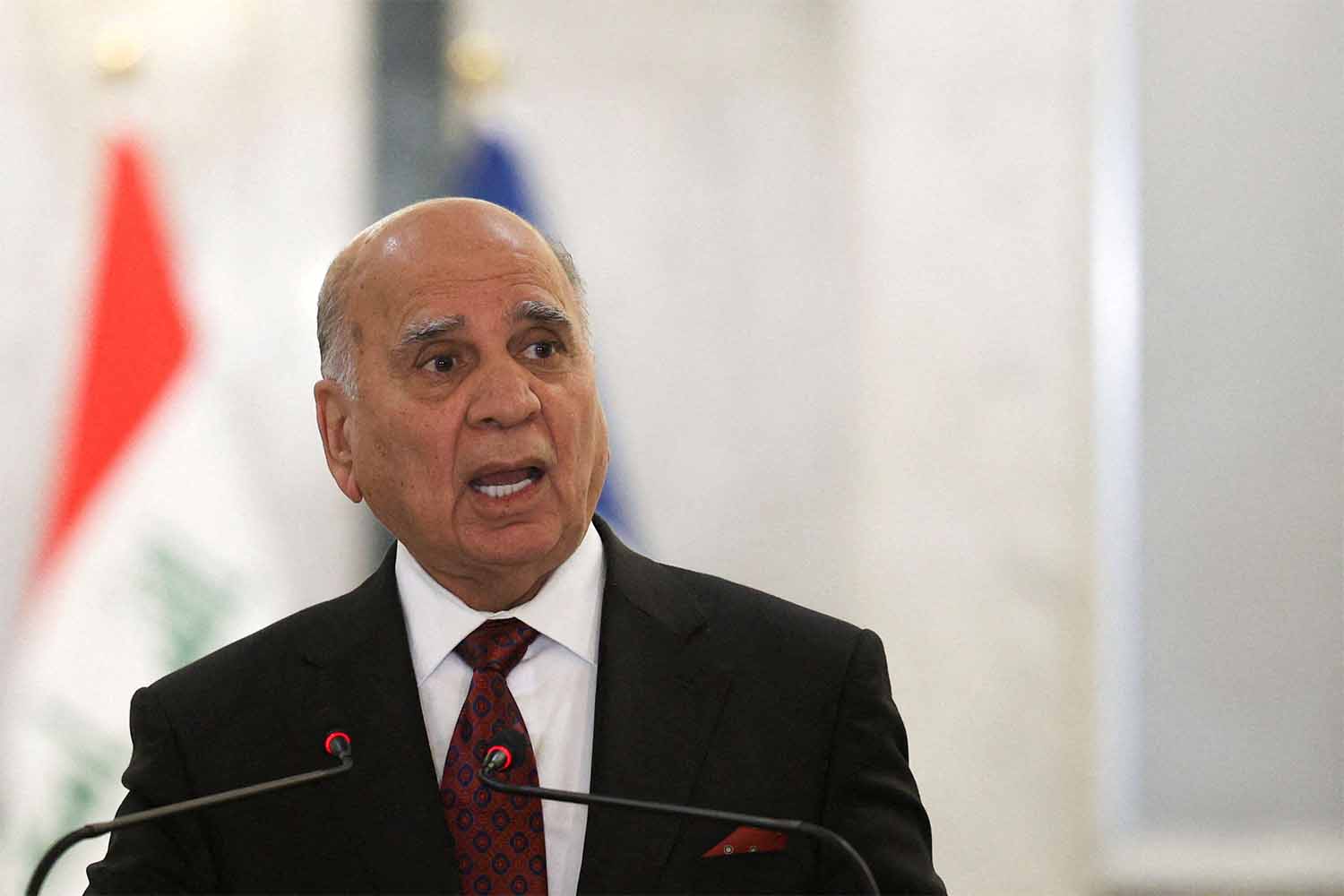
Iraqi Foreign Minister Fuad Hussein
Turkey to repatriate its nationals among fighters transferred from Syria
The Iraqi FM says discussions with Turkish officials have addressed the status of foreign nationals currently held in Iraq following their transfer from detention facilities in northeastern Syria.
Tuesday 24/02/2026
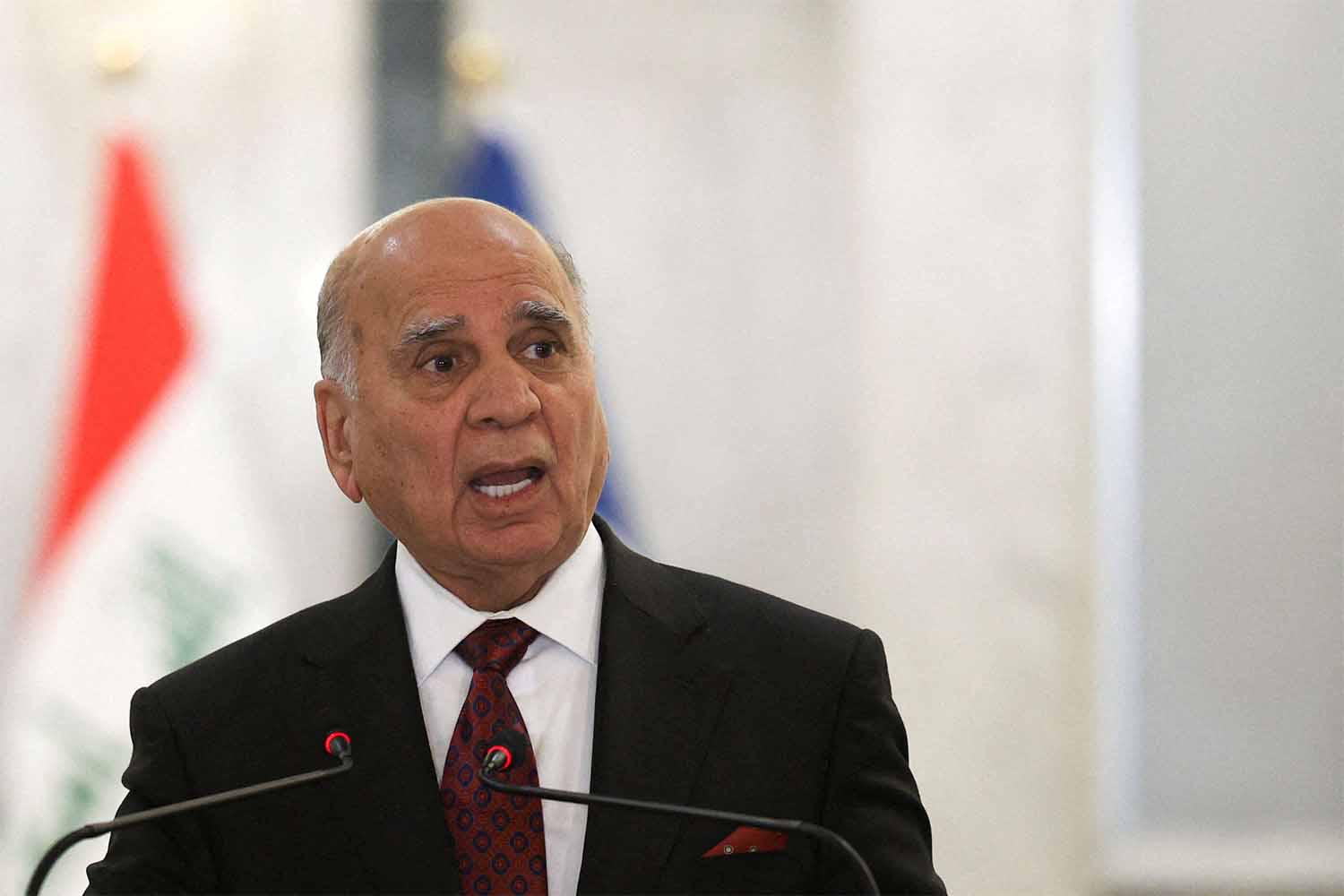
Iraqi Foreign Minister Fuad Hussein
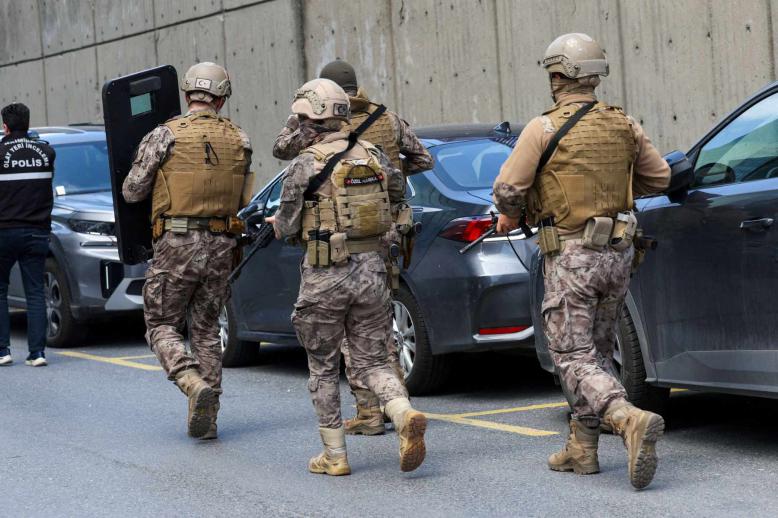
BAGHDAD — Turkey will repatriate its nationals from among thousands of foreign fighters who were transferred from Syria, Iraqi Foreign Minister Fuad Hussein said, signaling renewed coordination between Ankara and Baghdad on the sensitive issue of detainees linked to extremist groups.
Speaking after diplomatic consultations, Hussein said discussions with Turkish officials had addressed the status of foreign nationals currently held in Iraq following their transfer from detention facilities in northeastern Syria. He noted that Turkey had indicated it would take back its citizens in line with international legal obligations and bilateral understandings.
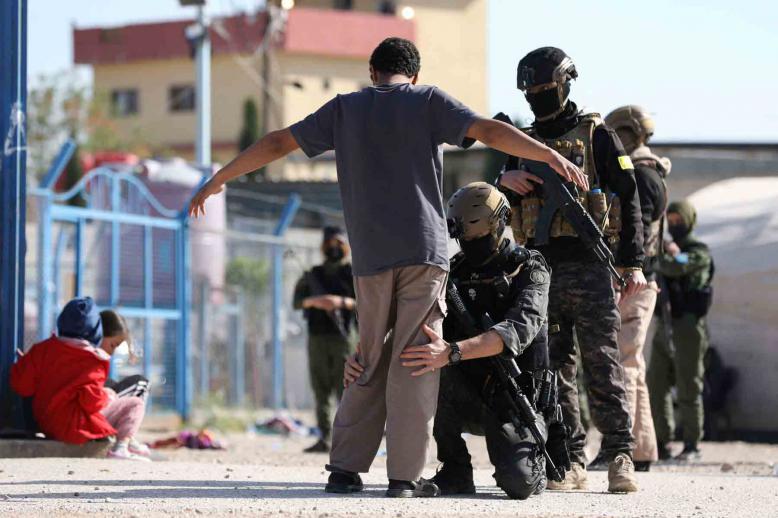
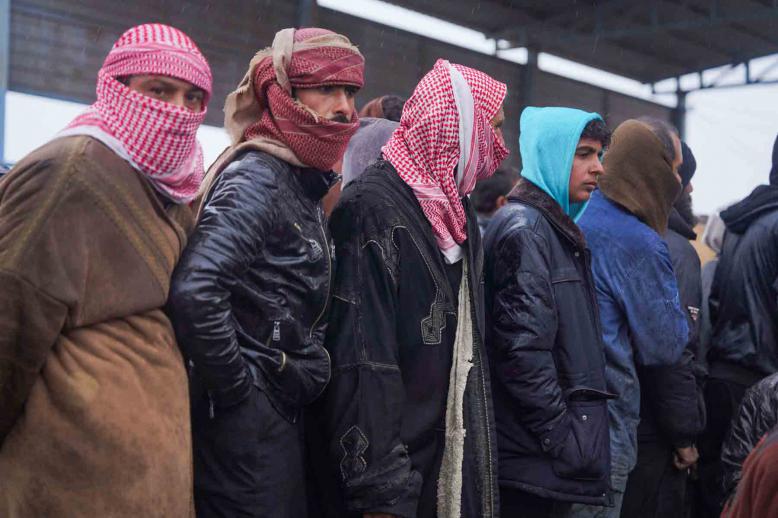
The fighters in question are believed to be among the thousands of suspected members of the so-called Islamic State (IS) and affiliated groups who were detained in Syria during and after the territorial defeat of the organization. Over the past several years, some detainees have been transferred to Iraq for prosecution under Iraqi counterterrorism laws, particularly in cases where crimes were committed on Iraqi soil.
Iraq has repeatedly called on countries to repatriate their nationals, arguing that prolonged detention without clear legal resolution poses security, legal and humanitarian challenges. Iraqi officials have said the burden of managing large numbers of foreign detainees — along with family members housed in camps — cannot fall indefinitely on frontline states.
Turkey has previously conducted repatriation operations for citizens suspected of joining ISIS, often coordinating with European governments and regional authorities. Ankara maintains that each case is reviewed individually and that returnees face investigation and, where appropriate, prosecution under Turkish law.
The issue of foreign fighters remains one of the most complex legacies of the conflict in Syria and Iraq. Thousands of individuals from dozens of countries traveled to join ISIS at the height of its territorial control between 2014 and 2017. Since the group’s collapse, Kurdish-led forces in Syria and Iraqi authorities have overseen detention centers and camps holding fighters and their relatives.
Human rights organizations have urged governments to accelerate repatriations, warning that indefinite detention without trial risks radicalization and instability. At the same time, many countries have faced domestic political resistance to bringing back suspected militants.
Hussein’s remarks suggest that Iraq is seeking more systematic solutions through diplomatic channels, particularly with neighboring states whose citizens are among the detainees. Analysts say increased regional coordination could help ease pressure on Iraqi facilities while clarifying legal pathways for prosecution or rehabilitation.
It remains unclear how many Turkish nationals are included among the transferred fighters or when repatriation would begin. Neither Iraqi nor Turkish officials have provided a detailed timeline, but the statement indicates movement on an issue that has lingered since the territorial defeat of IS.
The development comes as Iraq continues broader efforts to stabilize post-conflict areas and strengthen security cooperation with regional partners, including Turkey, amid ongoing concerns about extremist sleeper cells and cross-border security threats.