

A call for renewed multilateral dialogue
Morocco urges full nuclear disarmament at UN conference in Geneva
Morocco warned that mounting geopolitical rivalries, deepening mistrust among states and the persistence of armed conflicts have weakened the multilateral disarmament system.
Tuesday 24/02/2026
A call for renewed multilateral dialogue
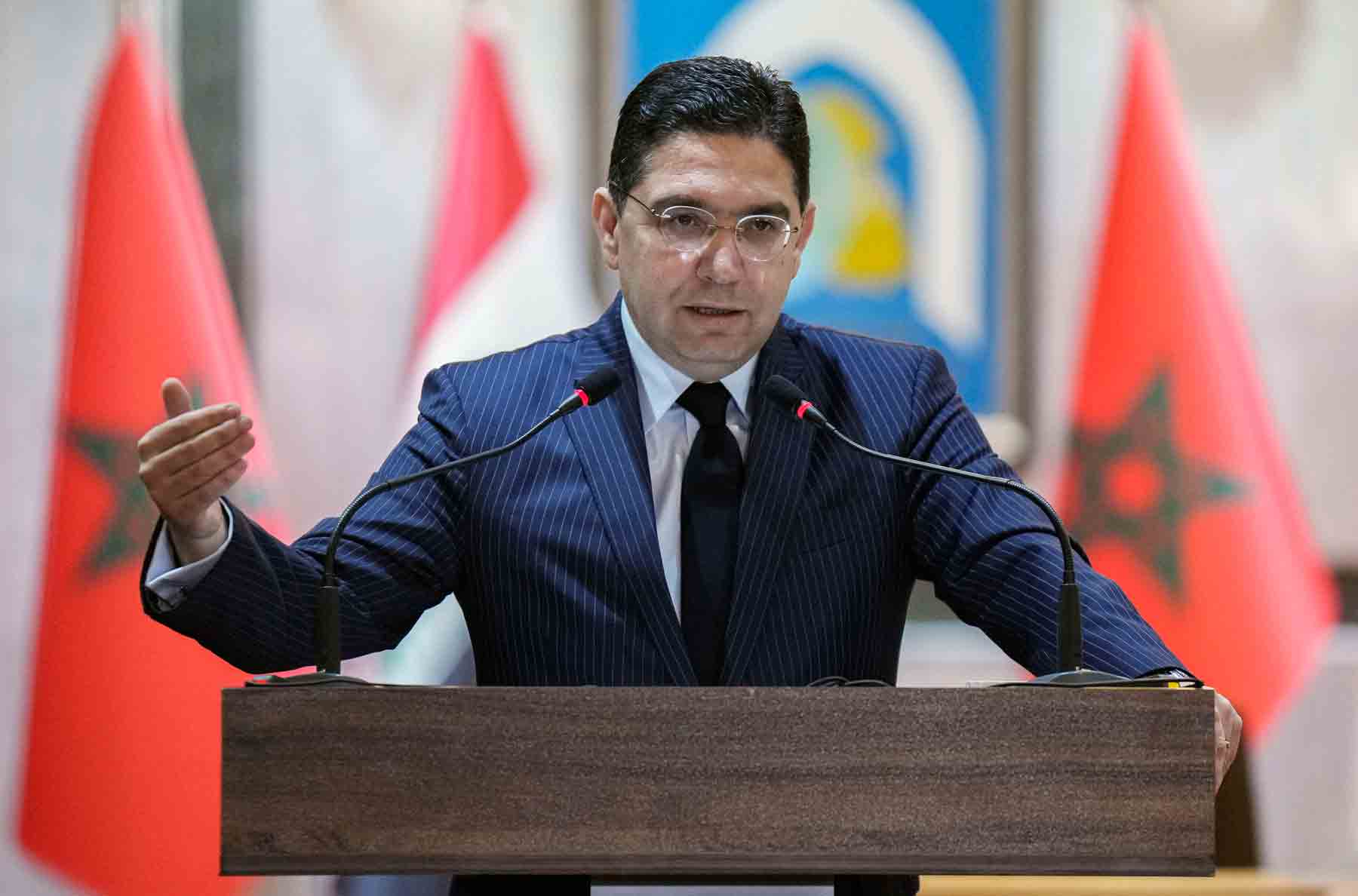
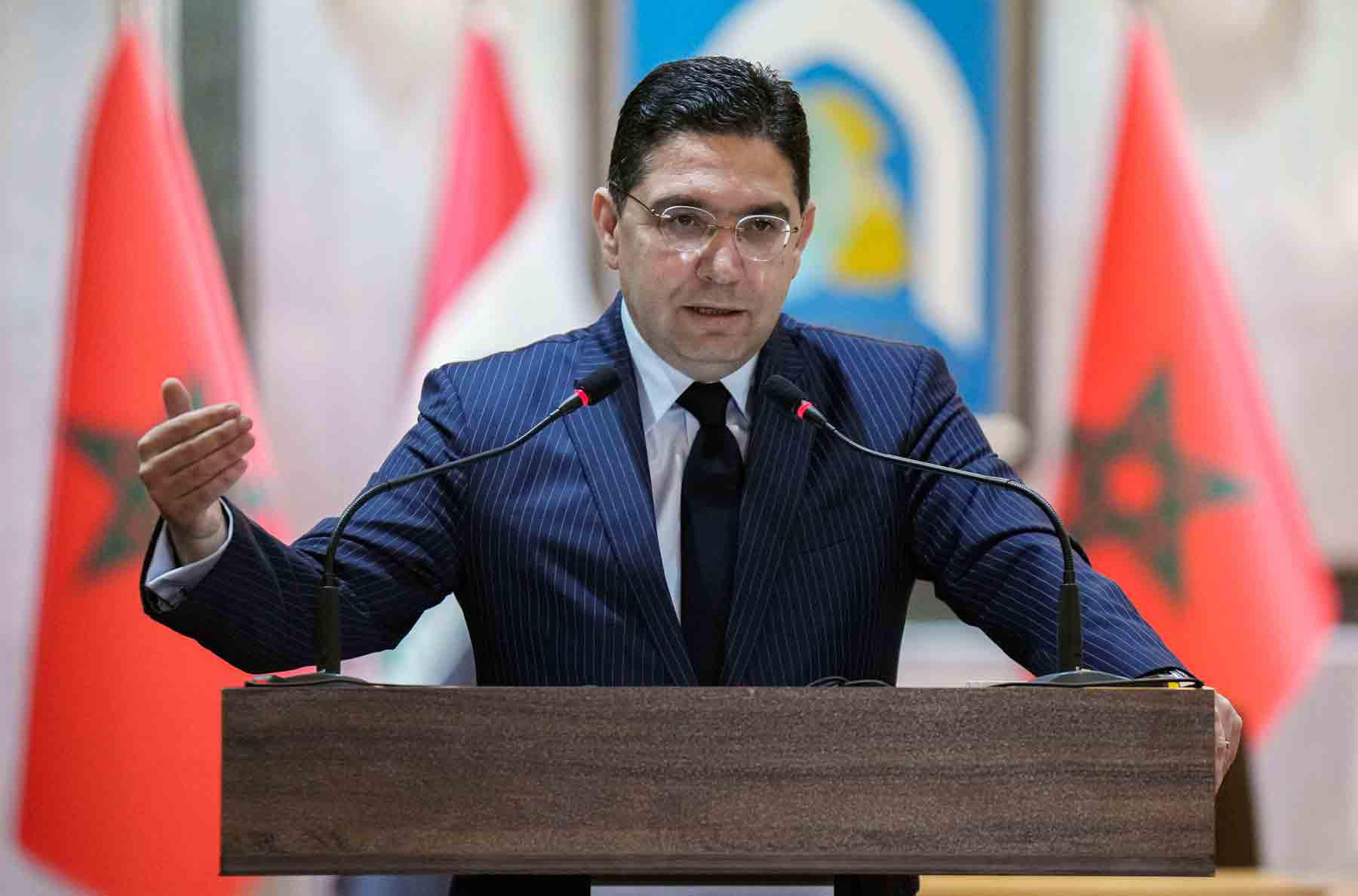
GENEVA – Morocco’s Foreign Minister Nasser Bourita has described nuclear disarmament as a “political and moral imperative,” urging the full and effective implementation of the Treaty on the Non-Proliferation of Nuclear Weapons (NPT) as the cornerstone of global stability.
In a message delivered on his behalf by Morocco’s Permanent Representative to the United Nations in Geneva, Omar Zniber, Bourita addressed the high-level segment of the Conference on Disarmament, which Morocco currently chairs from February 23 to 25.
“Nuclear disarmament remains a political and moral imperative from which there can be no deviation,” Bourita said, according to remarks published by Morocco’s official news agency.
Morocco holds the presidency of the Conference on Disarmament until March 13. The body is the only permanent multilateral negotiating forum within the UN system mandated to negotiate disarmament treaties, and its prolonged paralysis in recent years has raised concerns about the effectiveness of the international security architecture.
Bourita warned that mounting geopolitical rivalries, deepening mistrust among states and the persistence of armed conflicts have weakened the multilateral disarmament system and narrowed the space for compromise. Yet he argued that these pressures make meaningful dialogue and concrete cooperation more urgent than ever.
He called for the full implementation of the NPT, which forms the foundation of the global non-proliferation regime, reaffirming Morocco’s longstanding commitment to the treaty. Rabat has repeatedly underlined its adherence to non-proliferation agreements and its cooperation with the International Atomic Energy Agency (IAEA) in implementing treaty provisions.
At the same time, Bourita stressed the inalienable right of states parties to develop research, production and use of nuclear energy for peaceful purposes, in accordance with Article IV of the NPT. He emphasised that this right must be exercised within a framework of enhanced international cooperation and under strict IAEA supervision.
Morocco has also ratified the Comprehensive Nuclear-Test-Ban Treaty, becoming a party in 2000, and continues to advocate for the universalisation of key disarmament instruments.
Beyond nuclear weapons, Bourita highlighted emerging security challenges, particularly artificial intelligence and autonomous weapons systems. He called for the establishment of an international normative framework to ensure effective human oversight of such technologies. He also urged renewed multilateral dialogue to prevent the militarisation of outer space.
Morocco has consistently supported efforts to establish a Middle East and North Africa zone free of nuclear weapons, while balancing its international commitments with strategic partnerships with major powers and maintaining a policy of not seeking nuclear deterrent capabilities.
The Treaty on the Non-Proliferation of Nuclear Weapons requires each state party not to develop, test, produce, manufacture, acquire or stockpile nuclear weapons or other nuclear explosive devices. It also prohibits their transfer, receipt or control, directly or indirectly.
For Rabat, revitalising the Conference on Disarmament is essential to addressing what Bourita described as the “substantive and multiple challenges” facing the United Nations system, at a time when the credibility of multilateral institutions is under strain.