

Financial revolution or new trap?
Gaza stablecoin plan sparks fears of financial control
The Euro-Med Human Rights Monitor, based in Geneva, warned that digital wallets under such a system could become a “new generation of silent genocidal weapons” in Gaza.
Wednesday 25/02/2026
Financial revolution or new trap?
JERUSALEM – Officials working with US President Donald Trump’s Board of Peace are exploring the creation of a dollar-linked stablecoin for Gaza as part of wider efforts to reshape the devastated enclave’s economy, according to people familiar with the discussions.
The talks, first reported by the Financial Times, remain at a preliminary stage. The proposed stablecoin, a type of cryptocurrency pegged to a mainstream currency such as the US dollar, is being examined as a potential tool to address Gaza’s severe liquidity crisis and the near collapse of its traditional banking and payments system after two years of war.
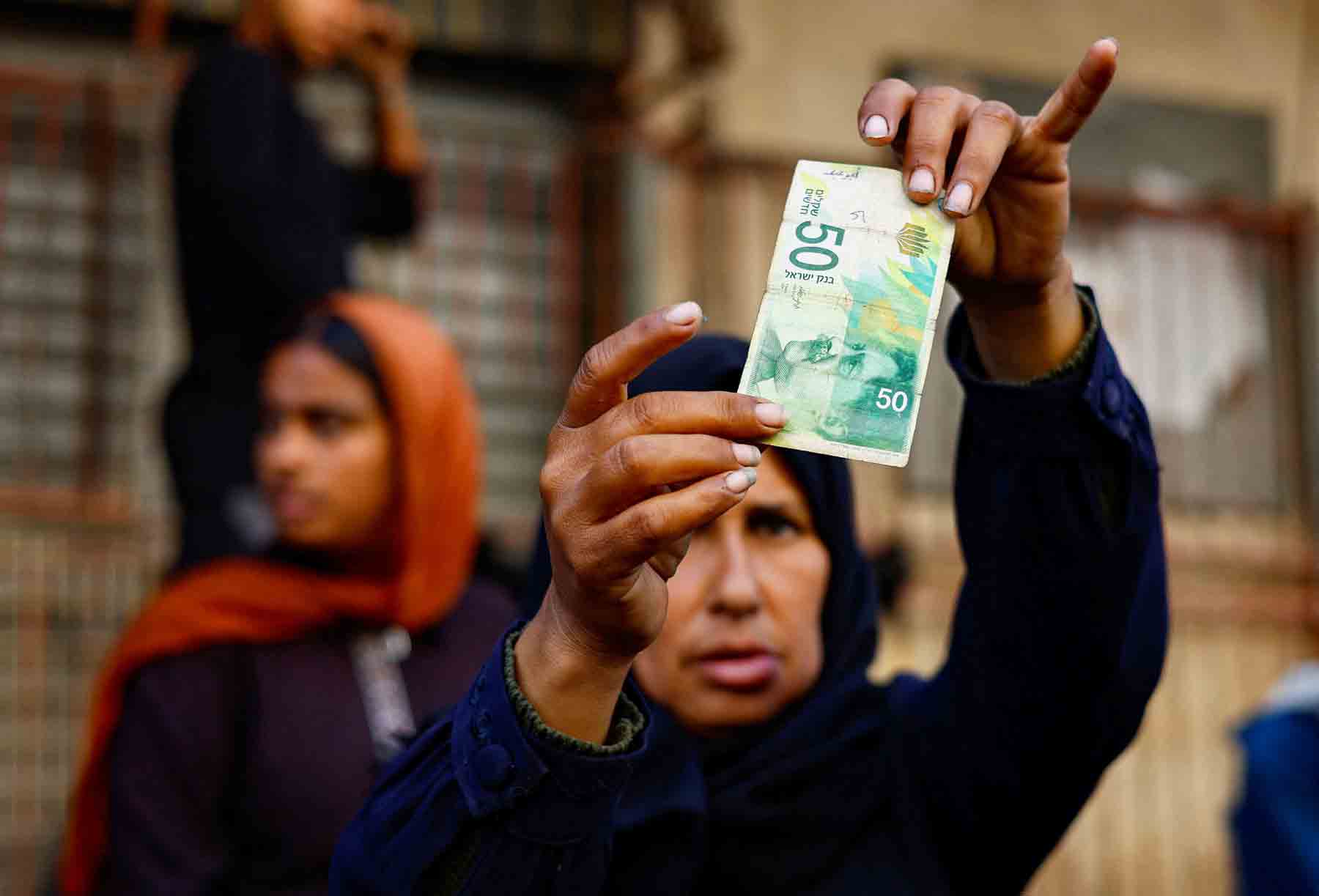
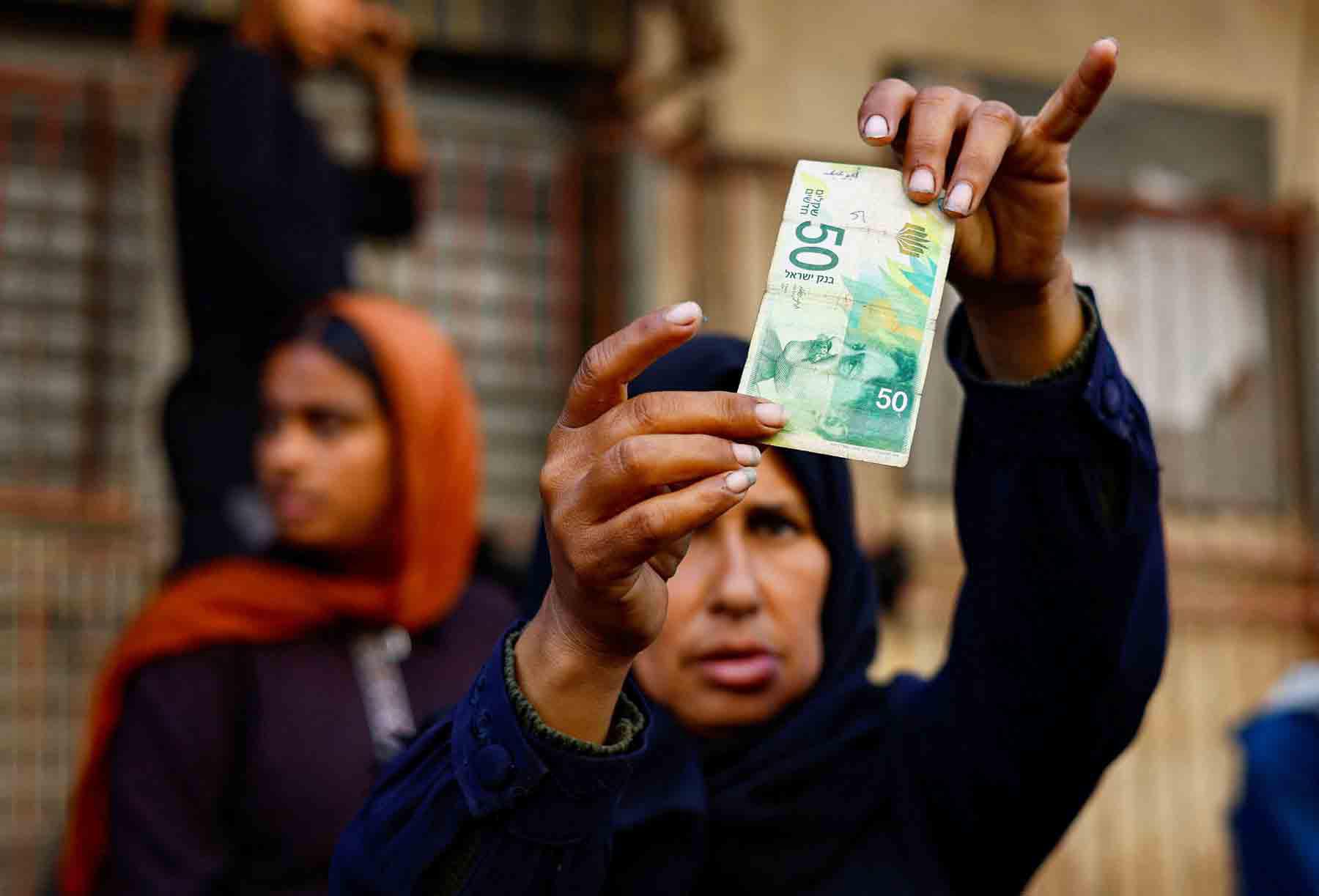
Gaza has faced an acute shortage of physical cash since October 8, 2023, when Israel began blocking the entry of banknotes into the territory. Palestinians say much of the remaining paper currency is worn and torn, rendering it unusable in everyday transactions. The Israeli shekel remains the principal currency for daily trade, government transactions and salary payments in both the public and private sectors.
While digital banking applications have been increasingly used for more than two years, persistent electricity outages and weak internet services have posed major obstacles.
According to five people familiar with the discussions, the stablecoin initiative is being considered within the broader framework of efforts to rebuild Gaza’s shattered economy. One person close to the project said the digital currency would be tied to the US dollar and stressed that it would not constitute a new Palestinian currency.
“This will not be a ‘Gaza Coin’ or a new Palestinian currency, but a means to allow Gazans to transact digitally,” the person said. Gulf Arab and Palestinian companies specialising in digital currencies are expected to help spearhead the initiative.
The effort is reportedly being led by Israeli technology entrepreneur Liran Tancman, a former reservist now serving as an unpaid adviser to Trump’s US-led Board of Peace, the body tasked with overseeing Gaza’s reconstruction. Officials from the enclave’s 14-member National Committee for the Administration of Gaza (NCAG), a technocratic Palestinian body, and the Office of the High Representative led by former UN envoy Nickolay Mladenov are also involved.
The Board of Peace and the NCAG are expected to determine the regulatory framework and access rules for any stablecoin, although “nothing definitive” has yet been finalised. Speaking at a meeting in Washington last week, Tancman said the NCAG was working on establishing “a secure digital backbone, an open platform enabling e-payments, financial services, e-learning, and healthcare with user control over data.” He added that Gaza’s long-restricted 2G mobile network would be upgraded with free high-speed access to essential services by July.
A Trump administration official said the “Board of Peace, NCAG, and the Office of the High Representative for Gaza are looking into all options that will jump start the Gazan economy.” The United States has previously advocated broader use of dollar-backed stablecoins.
However, the proposal has drawn sharp criticism. The Euro-Med Human Rights Monitor, based in Geneva, warned that digital wallets under such a system could become a “new generation of silent genocidal weapons” in Gaza.
In a statement, the watchdog alleged that Israeli and US plans aim to reshape Gaza into a space stripped of financial sovereignty by eliminating cash and imposing a forced transition to a digital economic model controlled by external actors aligned with Israel. It cautioned that such a system could transform access to money and essential transactions from a basic right into a revocable privilege.
The group argued that placing food, medicine and shelter within a digitally-controlled financial framework could make them hostage to security decisions and military assessments, amounting to coercive social engineering that deepens impoverishment and displacement.
It further warned that any digital financial architecture imposed under occupation, or without full Palestinian sovereignty over data and financial systems, would risk becoming a tool of collective control and subjugation. The organisation expressed concern that digital wallets could be frozen unilaterally or individuals labelled under broad security pretexts, without independent oversight or effective avenues of appeal.
According to the monitor, Israel’s financial blockade since October 2023 has resulted in the closure of all bank branches in Gaza. Although some later partially reopened, they have not been permitted to receive fresh cash supplies, preventing meaningful withdrawal services.
Supporters of the stablecoin initiative argue that expanding digital transactions could allow commerce to continue without reliance on physical cash and reduce the influence of intermediaries who currently control scarce banknotes and charge high fees. One person familiar with the talks said the objective was to “dry Gaza from cash so Hamas can’t generate any.”
Others, however, fear that a Gaza-specific digital currency could further separate the enclave’s economy from that of the occupied West Bank, both of which Palestinians envision as part of a future state. The Palestine Monetary Authority, which functions as a central bank for both territories but cannot issue its own currency, currently oversees a system in which the Israeli shekel is the formal currency.
Critics warn that if Gaza were to rely on a digital currency outside the authority’s control, maintaining economic links between the two territories could become more difficult. Proponents of the project reject that claim, insisting the initiative is solely intended to facilitate digital transactions rather than to divide the Palestinian territories.
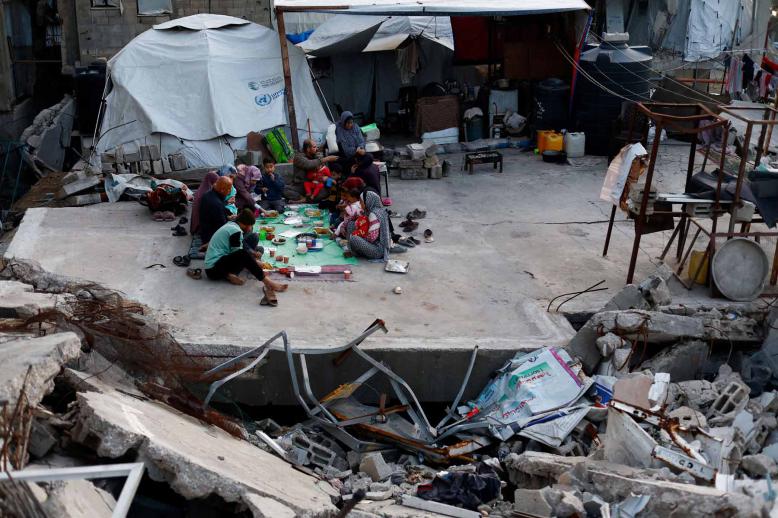
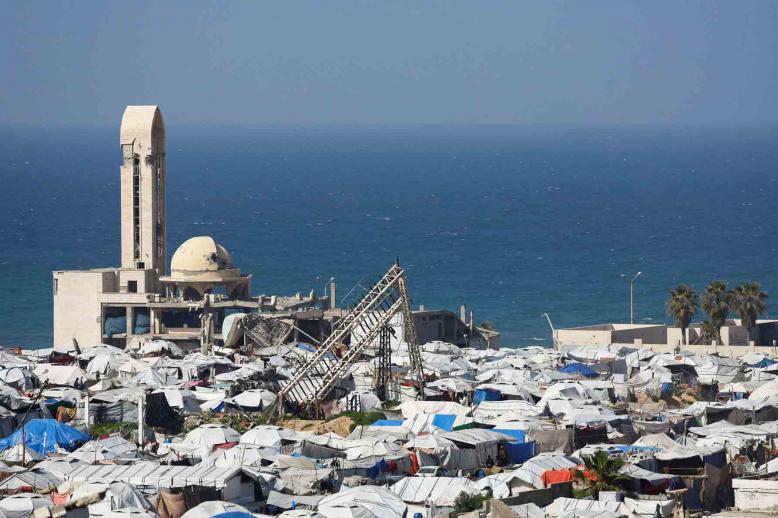
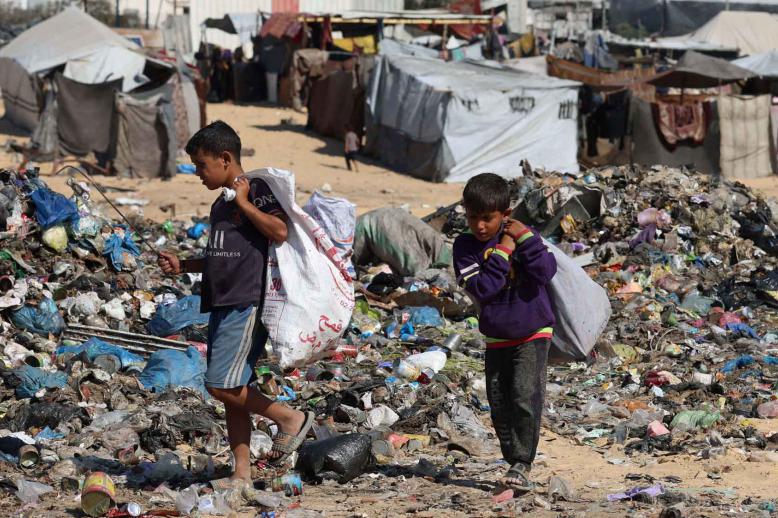
As discussions continue, the proposal underscores the complex intersection of reconstruction, financial innovation and political sovereignty in a territory where roughly 2.4 million residents, including 1.5 million displaced people, face catastrophic humanitarian conditions after two years of war.