



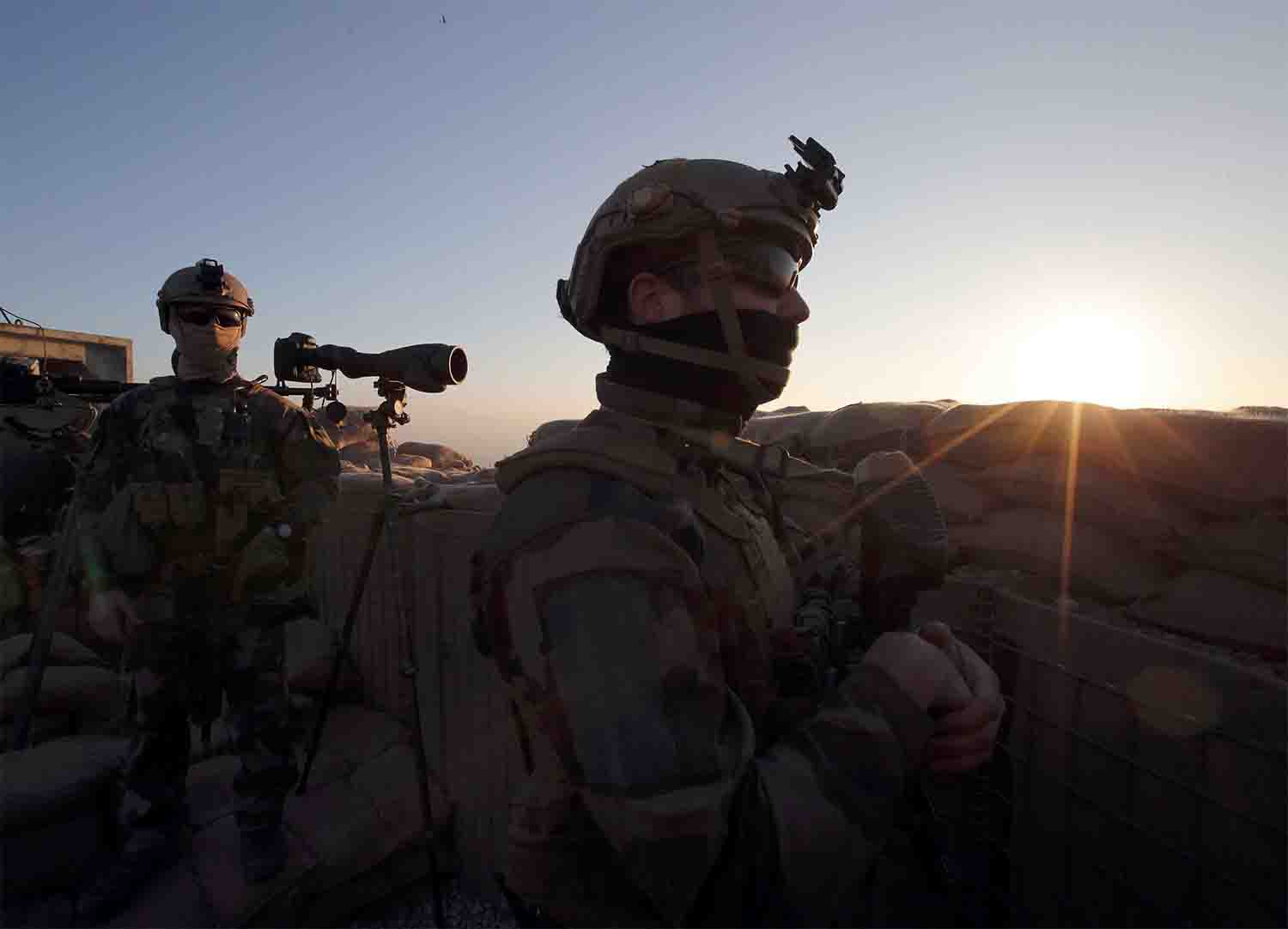
Countries including France, Norway, Germany, Sweden, and Italy are among those repositioning personnel
Western forces relocate from Erbil amid fears of potential US strikes on Iran
Sources say that roughly half of the coalition forces stationed at Erbil Air Base — a key hub for the US-led anti-IS coalition — have been moved to other countries as a precautionary measure.
Wednesday 25/02/2026
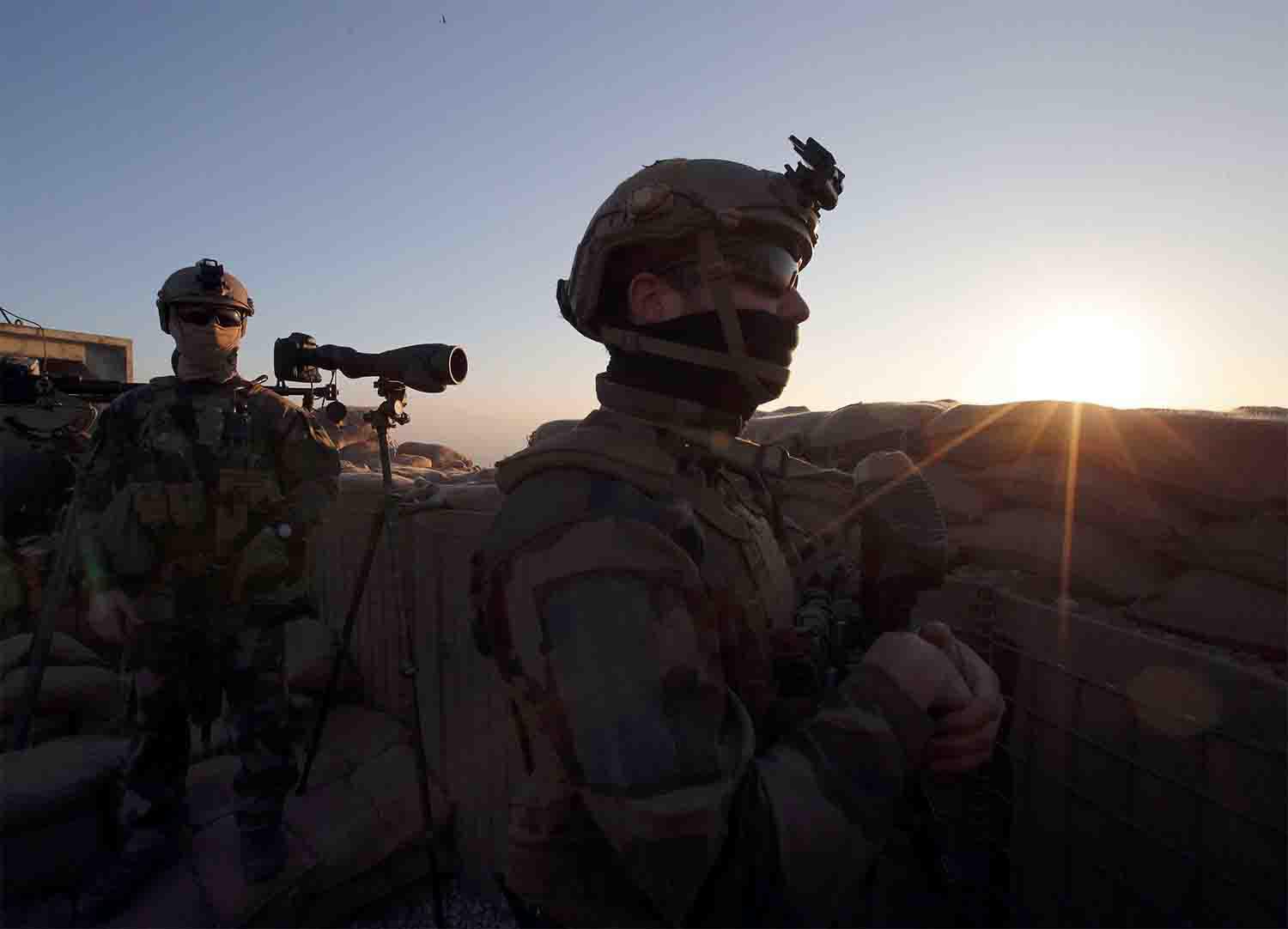
Countries including France, Norway, Germany, Sweden, and Italy are among those repositioning personnel
ERBIL - Coalition forces from several Western nations began on Tuesday relocating or repositioning troops from Erbil Air Base in Iraq's Kurdistan Region, as tensions between the United States and Iran reach new heights over Tehran's nuclear and missile programs.
The moves come amid growing speculation that the Trump administration may launch military strikes on Iran if ongoing diplomatic efforts fail.
Precautionary repositioning
Sources familiar with the situation told Middle East Eye that roughly half of the coalition forces stationed at Erbil Air Base — a key hub for the US-led anti-IS coalition — have been moved to other countries as a precautionary measure.
Countries including France, Norway, Germany, Sweden, and Italy are among those repositioning personnel, fearing that the base could become a prime target for Iranian retaliation in the event of US strikes.
Erbil Air Base, co-located with the civilian Erbil International Airport, has become the primary remaining foreign military presence in Iraq after the coalition consolidated operations there following withdrawals from Baghdad and other sites.
With fewer than 2,000 troops estimated to remain (per Reuters data), the base hosts a mix of US and allied forces supporting ongoing counterterrorism missions.
Analysts view the relocations as a clear signal of heightened risk perception.
Andrew J. Tabler, a former senior US State Department adviser now at the Washington Institute for Near East Policy, described the moves as "logical," noting that coalition partners expect to be "in the crosshairs" of any Iranian counterstrike. Nicholas Heras of the New Lines Institute added that attacking Erbil would allow Iran to send a strong message to regional US partners about the costs of alignment with Washington.
Germany's military recently announced a "temporary" relocation of some troops from Erbil due to "escalating tensions," while other nations have quietly followed suit without public fanfare.
Broader US-Iran escalation context
The repositioning unfolds against a backdrop of intense US military buildup in the Middle East — the largest since the 2003 Iraq invasion.
The US has already sent two carrier strike groups - USS Abraham Lincoln in the Arabian Sea and USS Gerald R. Ford in the Mediterranean - to the region as well as over 150 combat aircraft, including F-22 Raptors, F-35s, F-15Es, and F-16s.
President Donald Trump has repeatedly warned Iran that it has a short window — variously described as 10 to 15 days — to reach a deal curbing its nuclear enrichment, ballistic missiles, and regional proxy activities, or face consequences.
US officials have indicated preparations for potentially weeks-long operations, ranging from limited strikes on nuclear sites to broader campaigns targeting security infrastructure and even regime figures.
Iran has responded with strong rhetoric, warning of a "ferocious" retaliation against US bases in the region if attacked. Tehran has a history of targeting sites in Iraqi Kurdistan, including past ballistic missile strikes on Iranian Kurdish opposition groups and residences in Erbil province. Iran-backed militias have also launched rockets and drones at US positions at Erbil Airport since 2020.
Analysts warn that Erbil remains vulnerable due to its proximity to Iran's western missile facilities and its symbolic value as a US-aligned hub.
A conflict could see Iran lash out at US diplomatic facilities, hotels, or even infrastructure like dams in the Kurdistan Region.
Implications for regional stability
While the US maintains a robust presence, the withdrawal of allied forces from Erbil highlights the delicate balance coalition partners are navigating. The moves reduce immediate exposure for European contingents but underscore the risk of escalation spilling beyond Iran.