

One of the most sensitive geopolitical issues in northeast Africa
Egypt rejects trading water security for Ethiopian Red Sea access
By rejecting any suggestion of linking Red Sea access to the dam talks, Cairo has signalled that its approach to water security and regional maritime governance is non-negotiable.
Wednesday 25/02/2026
One of the most sensitive geopolitical issues in northeast Africa
CAIRO – Egypt has firmly denied reports suggesting it is prepared to grant Ethiopia maritime access to the Red Sea in exchange for flexibility from Addis Ababa over the Grand Ethiopian Renaissance Dam (GERD), a dispute that has strained relations between the two countries for more than a decade.
In a statement carried by the state-run Middle East News Agency on Tuesday evening, an official source categorically dismissed what it described as “circulating reports” claiming that Cairo was willing to offer Ethiopia a route to the Red Sea in return for concessions on the dam issue. The source stressed that such claims were “entirely baseless and unfounded.”
Reaffirming Egypt’s long-standing position, the source said Cairo’s stance on water security and the Ethiopian dam “remains firm and unchanged.” Egypt, he added, continues to adhere to international law, reject unilateral measures, safeguard its historic share of Nile waters and preserve the full rights of the two downstream countries, Egypt and Sudan, in line with established legal principles.
The statement underscored that governance and security of the Red Sea are matters restricted exclusively to the states that border it, describing the waterway as a strategic corridor directly linked to the national security of littoral nations. “No other states have the right to participate in any arrangements or understandings concerning the Red Sea,” the source said, in a clear reference to landlocked Ethiopia.
Ethiopian officials have repeatedly spoken of their country’s need for access to a seaport, arguing that maritime access is essential for economic growth and long-term development. Prime Minister Abiy Ahmed reiterated earlier this month, during the African Union summit in Addis Ababa, that Ethiopia remains committed to securing access to the sea, remarks that prompted sharp criticism in Egyptian media.
Cairo has consistently rejected any involvement by non-littoral states in Red Sea governance, framing the issue as both a legal and national security matter. Egyptian Foreign Minister Badr Abdelatty recently reiterated that responsibility for the Red Sea lies solely with the countries bordering it, rejecting what he described as attempts by external parties to impose themselves in the region’s strategic arrangements.
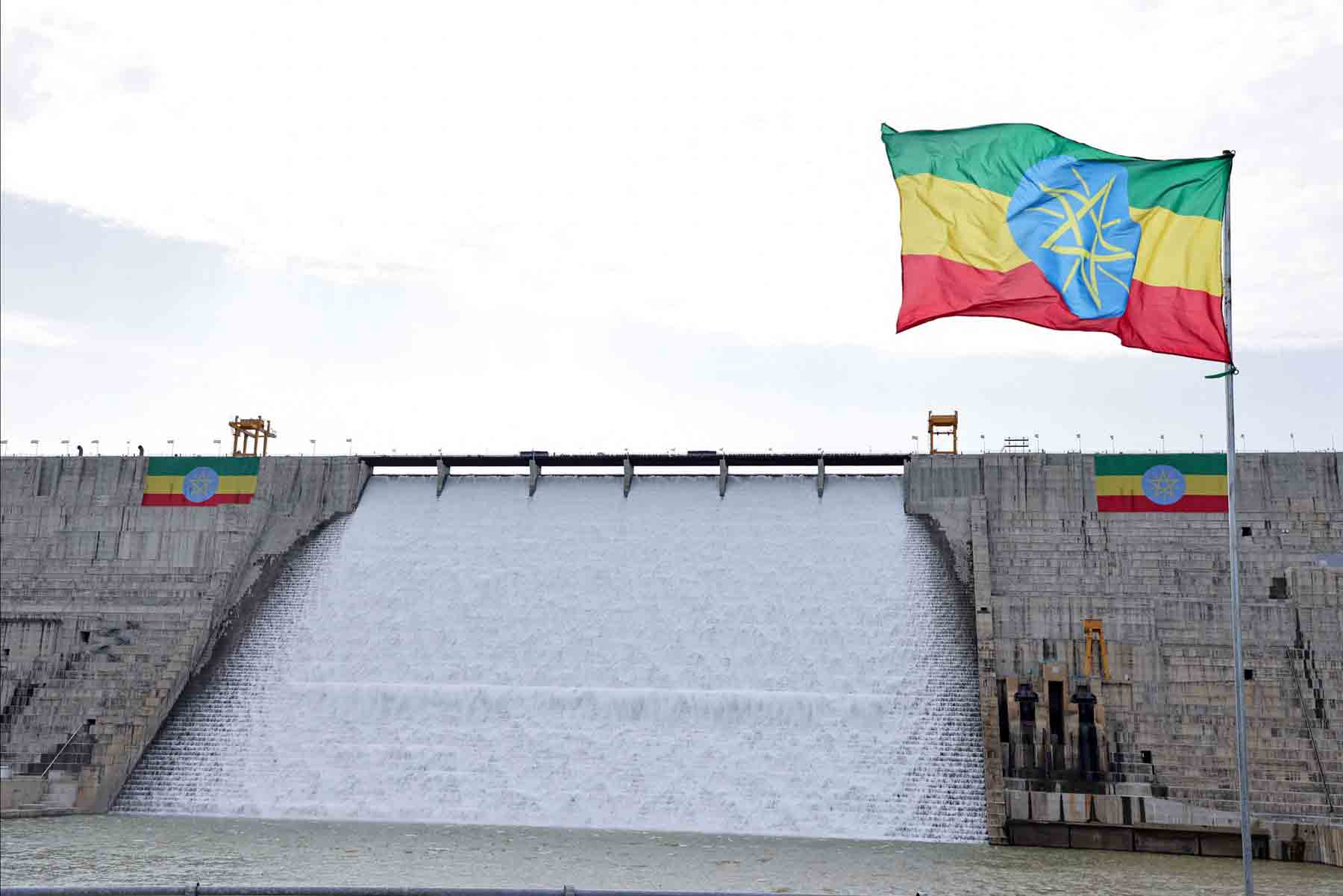
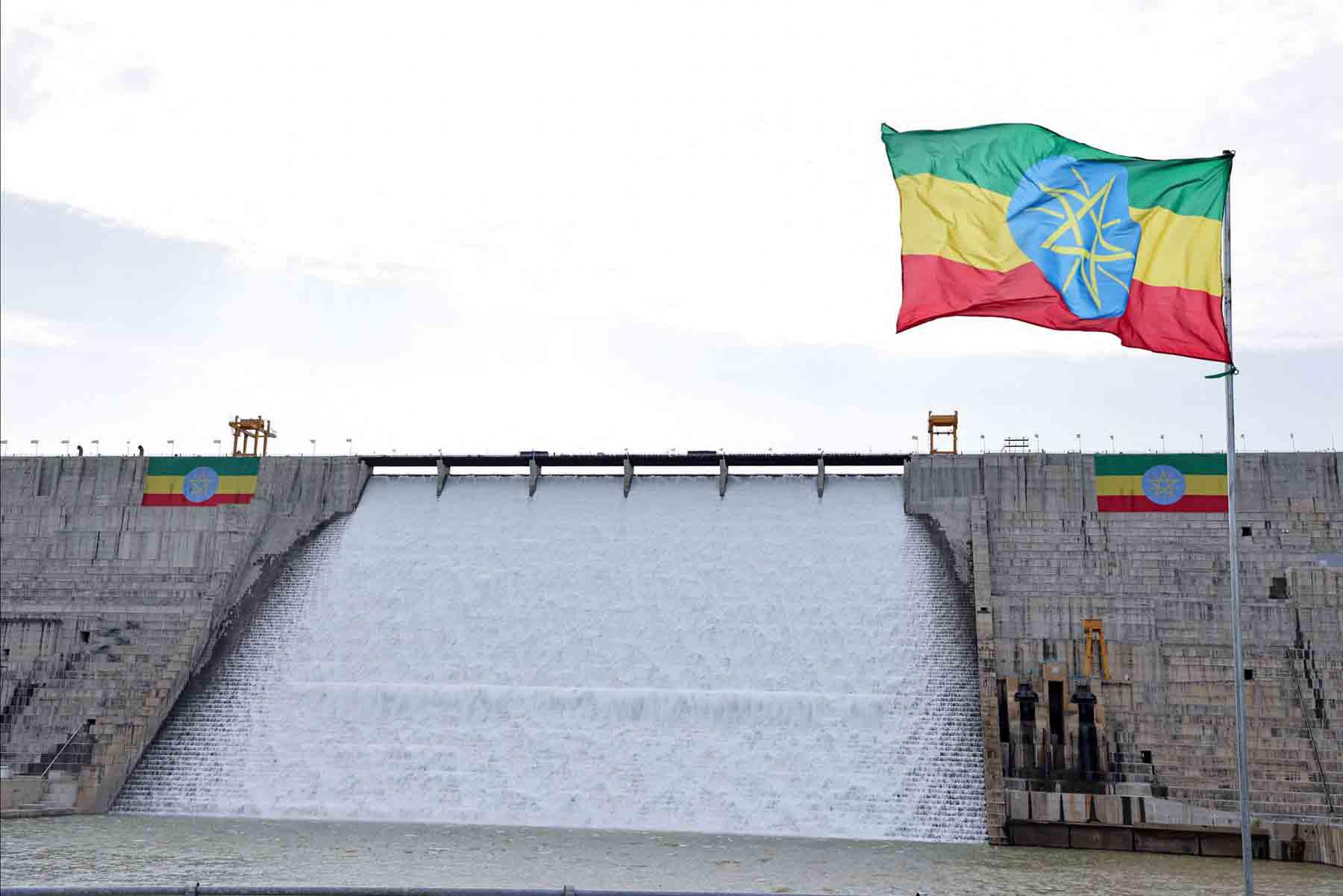
The latest exchange comes against the backdrop of the unresolved dispute over the GERD, which Ethiopia began constructing on the Blue Nile in 2011. Egypt and Sudan have long called for a binding tripartite agreement governing the filling and operation of the dam, arguing that such a framework is essential to protect downstream water security. Ethiopia maintains that it does not require a legally binding accord and insists the project will not harm other countries.
Negotiations between the three nations stalled for several years before resuming in 2023, only to freeze again in 2024 amid renewed disagreements. The dam, which Ethiopia sees as a cornerstone of its economic transformation, remains one of the most sensitive geopolitical issues in northeast Africa.
By rejecting any suggestion of linking Red Sea access to the dam talks, Cairo has signalled that its approach to water security and regional maritime governance is non-negotiable. As tensions persist, both the Nile and the Red Sea continue to sit at the heart of a complex and delicate regional balance.