

Both an opportunity and a test for diplomacy
Diplomatic efforts, evacuations intensify ahead of Iran-US Geneva talks
The renewed diplomacy in Geneva underscores the delicate balance between negotiation and escalation.
Wednesday 25/02/2026
Both an opportunity and a test for diplomacy
DUBAI/GENEVA – Iran is signalling cautious optimism ahead of a third round of nuclear negotiations with the United States, even as several countries move to evacuate dependents and warn citizens amid rising tensions across the Middle East.
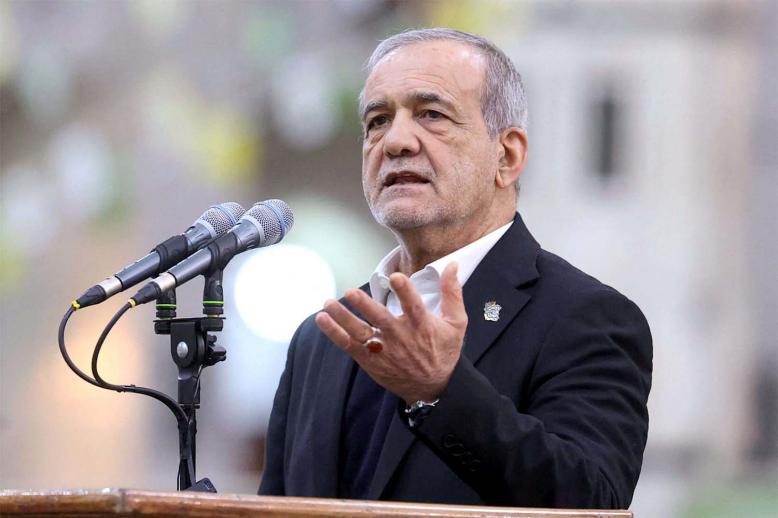
President Masoud Pezeshkian said on Wednesday that Tehran sees “a good outlook” for the upcoming talks in Geneva.
“In relation to the talks, we see a good outlook, tomorrow in the meeting that Dr. Araghchi will hold in Geneva … we have tried, with the guidance of the Supreme Leader, to manage this process to get out of the no war, no peace situation,” Pezeshkian told state media.
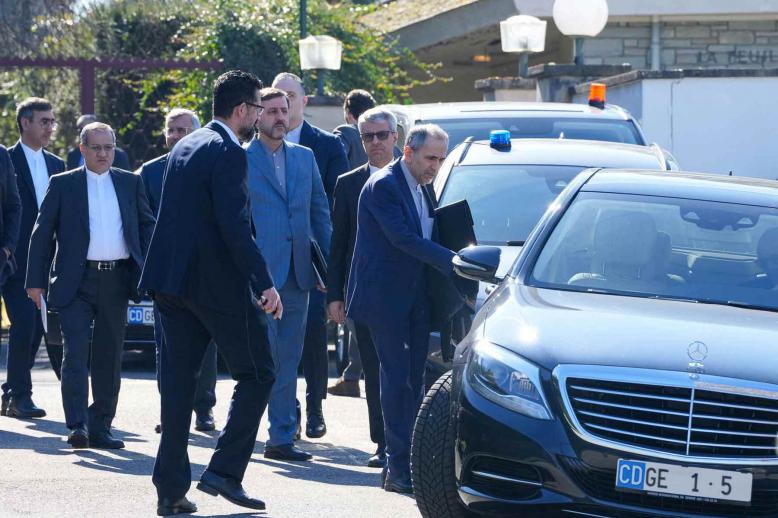
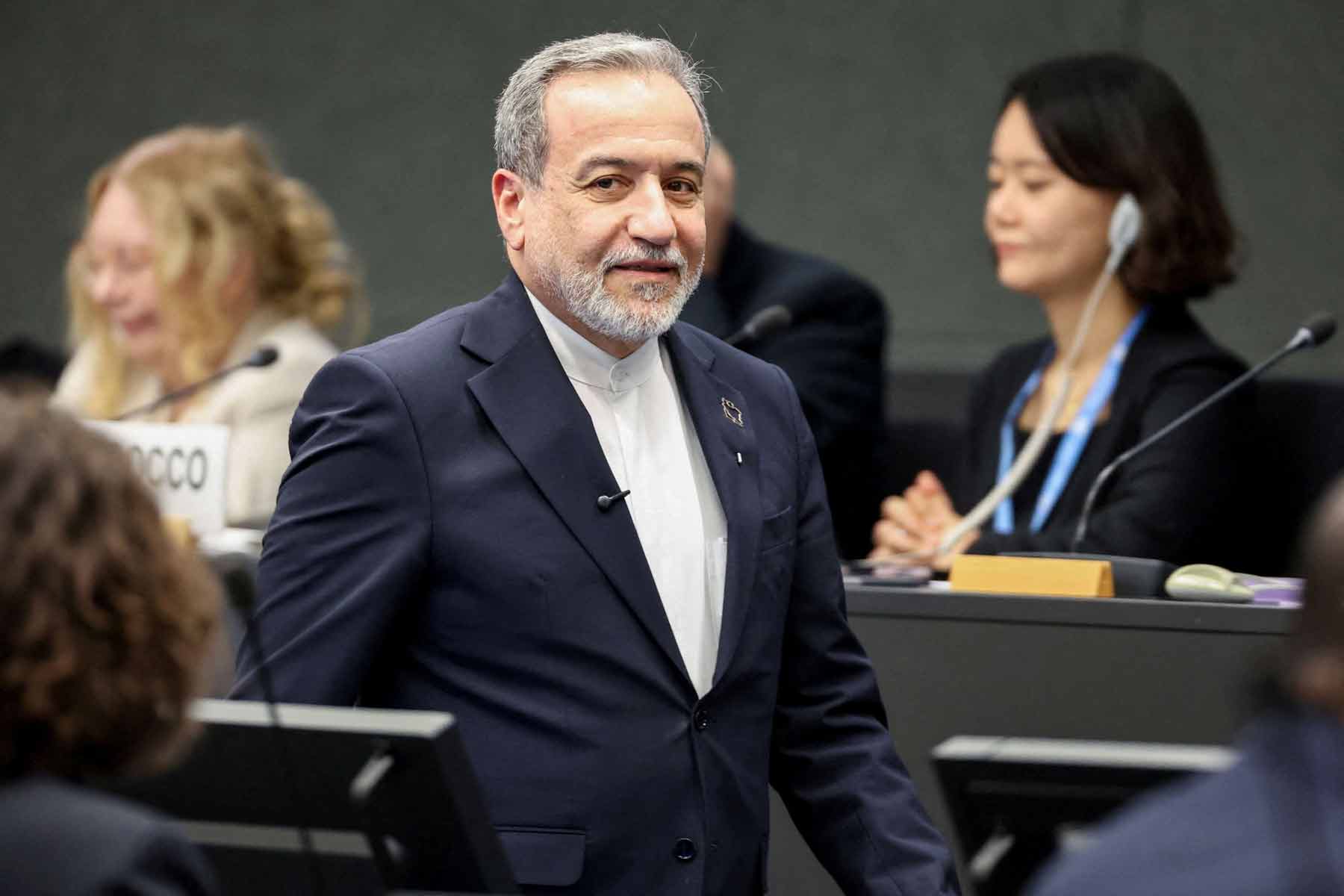
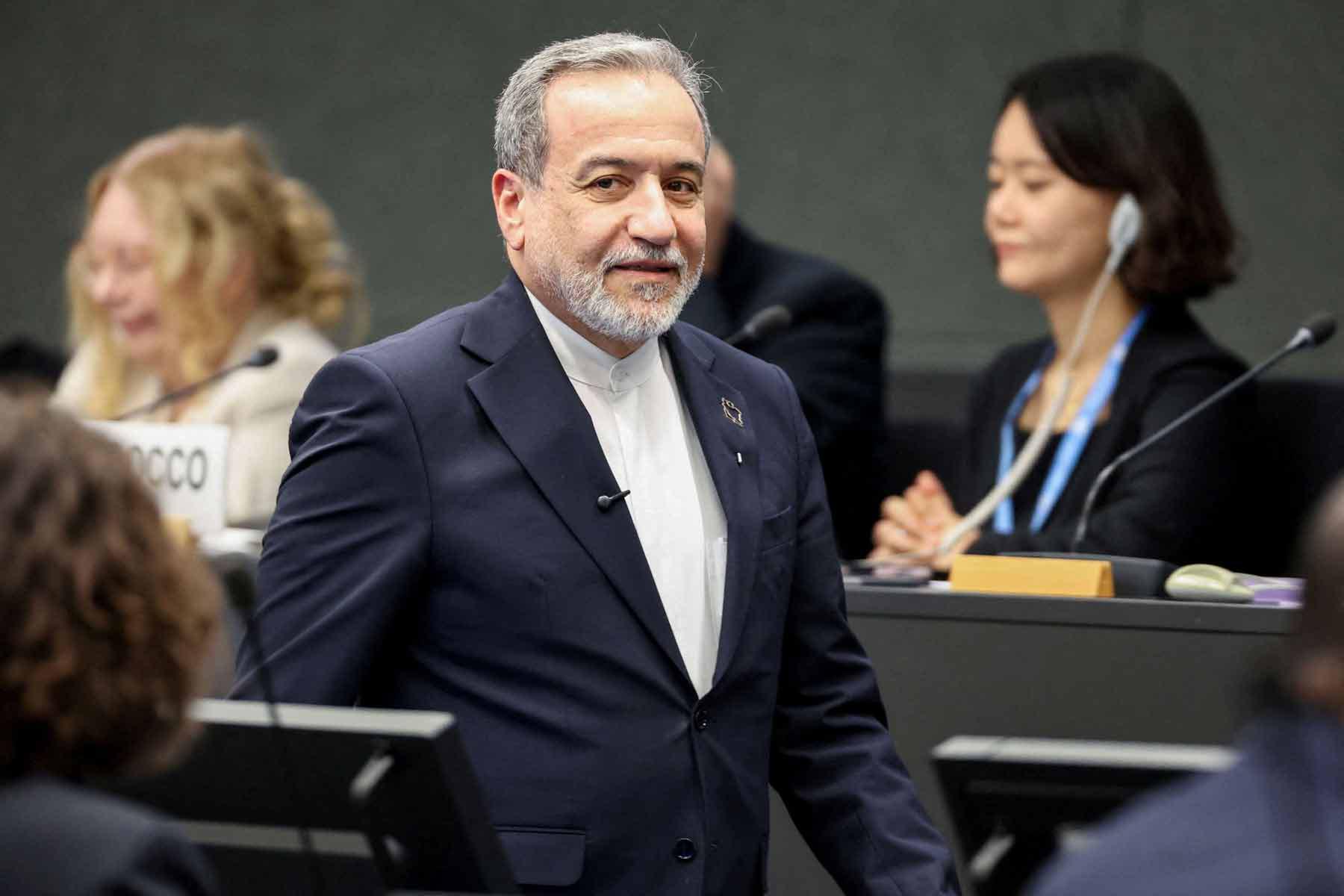
The Iranian delegation, led by Foreign Minister Abbas Araghchi, departed for Geneva where they are set to meet US envoys Steve Witkoff and Jared Kushner, President Donald Trump’s son-in-law, on Thursday.
Araghchi said on Tuesday that a deal with the US was “within reach, but only if diplomacy is given priority.”
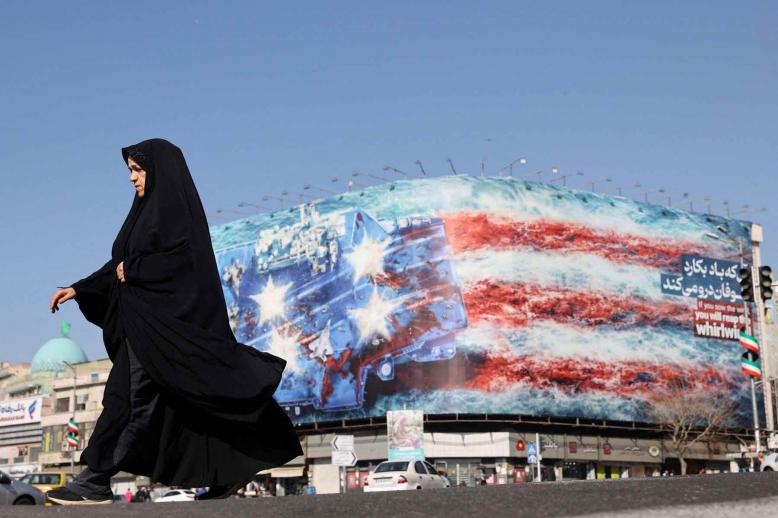
The resumption of talks comes against a backdrop of military buildup by the United States in the region, prompting warnings from Tehran that it could strike US bases if attacked. Trump, speaking on February 19, indicated that Iran has “about 10 to 15 days to make a deal.”
Germany has added pressure ahead of the negotiations. A spokesperson for the German Foreign Office said on Wednesday: “We expect Iran to seize the opportunity to engage constructively in the (Geneva) talks,” urging Tehran to halt its nuclear weapons ambitions, curb its ballistic missile programme and cease activities that destabilise the wider Middle East.
Foreign Minister Johann Wadephul also emphasised that Iran must commit in negotiations to end support for armed proxy groups, including Hamas in Gaza, Hezbollah in Lebanon, and the Houthis in Yemen, adding that Germany carries “a special responsibility for the security of the State of Israel.”
The potential escalation has prompted multiple governments to take precautionary measures.
Australia has ordered dependents of its diplomats in Israel and Lebanon to leave, while offering voluntary departures from the UAE, Jordan, and Qatar. Serbia has instructed its nationals in Iran to depart immediately, while Poland’s Prime Minister Donald Tusk advised citizens to leave Iran “immediately.”
The United States is withdrawing non-essential staff and eligible family members from its embassy in Lebanon. Sweden has advised all citizens to avoid travel to Iran and leave the country, with the Foreign Minister warning that those remaining should not expect evacuation assistance. India and Cyprus issued similar warnings, while Singapore recommended citizens defer all travel to Iran.
The renewed diplomacy in Geneva underscores the delicate balance between negotiation and escalation.
The US and Israel continue to assert that Iran may seek nuclear weapons capable of threatening Israel’s existence, while Iran maintains that its nuclear programme is purely peaceful, despite having enriched uranium close to weapons-grade levels.
As the world watches, the talks in Geneva represent both an opportunity and a test for diplomacy in a region under strain.
The outcome will not only shape the future of Iran’s nuclear programme but also influence broader security dynamics across the Middle East, where nations are already taking steps to protect their citizens from the fallout of potential conflict.