

Intensified judicial scrutiny of political opponents
Tunisia investigates opposition lawyers over alleged money laundering
The Public Prosecutor at the Economic and Financial Judicial Pole authorised the inquiry against Dilou, Ramzi Ben Dhia and Mohsen Sahbani, all currently out on bail.
Thursday 26/02/2026
Intensified judicial scrutiny of political opponents
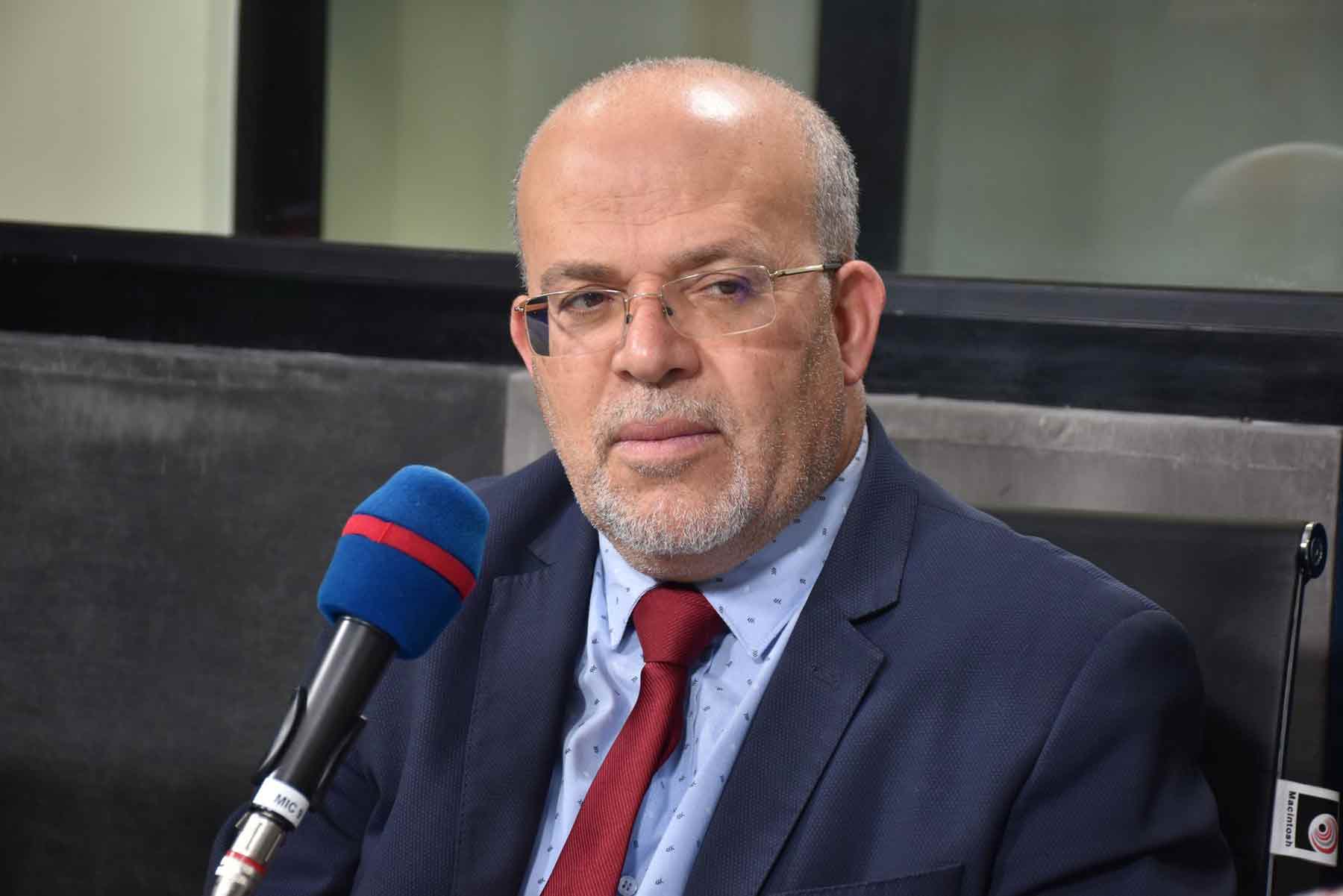
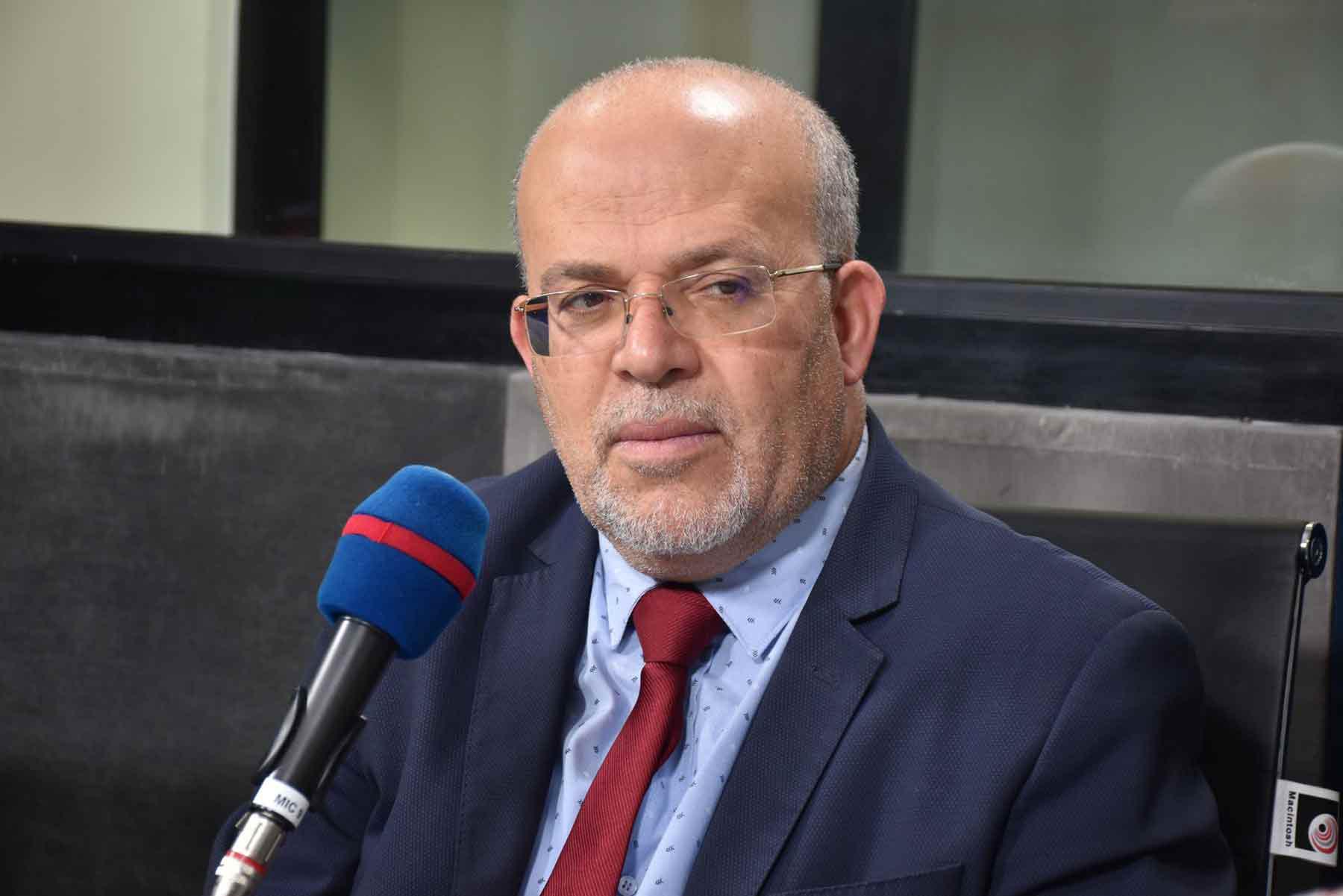
TUNIS – Tunisian authorities launched on Wednesday a judicial investigation into three prominent lawyers, including Samir Dilou, the vice president of the National Salvation Front, the political front of the Islamist Ennahdha movement, over allegations of money laundering, local media reported.
The Public Prosecutor at the Economic and Financial Judicial Pole authorised the inquiry against Dilou, Ramzi Ben Dhia and Mohsen Sahbani, all currently out on bail, as well as their law firm and its partners, following suspicions of laundering funds linked to tax evasion and other fiscal offences.
According to Tunisian radio station Mosaïque FM, the investigation stems from a report by the Research and Anti-Tax Evasion Unit. As a precautionary measure, the investigating judge ordered the freezing of the assets and bank accounts belonging to the defendants while further investigations continue.
Dilou, a lawyer and political activist, has served as vice president of the opposition National Salvation Front. Over the past year, Tunisian authorities have detained several opposition figures, lawyers and civil society activists, pressing charges ranging from undermining public order, compromising state security, collusion with foreign entities, incitement to chaos or civil disobedience, to money laundering. The accused have denied all allegations.
Notable figures targeted by recent judicial proceedings include Ennahdha leader Rached Ghannouchi, National Salvation Front head Ahmed Najib Chebbi, Ennahdha official Nourredine Bhiri, former presidential cabinet minister Reda Belhaj, Republican Party Secretary-General Issam Chebbi and former minister Ghazi Chaouachi.
Ghannouchi and other opposition leaders face complex legal cases spanning political, security and financial matters, with some having already received prison sentences, the latest issued just two weeks ago.
Authorities insist that all measures respect judicial independence and follow legal procedures without political interference. However, opposition forces have condemned the government’s actions as repression against political adversaries, lawyers, judges and activists.
The current wave of prosecutions comes against the backdrop of extraordinary measures imposed by President Kais Saied since July 25, 2021, which included dissolving the parliament, issuing laws via presidential decrees, approving a new constitution through referendum and holding early legislative elections.
Political parties critical of the moves have described them as a “coup against the constitution” and an entrenchment of absolute rule, while others argue they constitute a “correction” of the post‑2011 revolution trajectory that ended the three-decade-long presidency of Zine El Abidine Ben Ali.
Beyond the legal dimensions, the case has a clear political resonance. Dilou, who previously served as a minister and Ennahdha official, has been actively defending political prisoners and challenging the judicial processes against opposition figures. His involvement in high-profile legal defence, combined with his public advocacy for detainees, has made him a visible target in a context of intensified judicial scrutiny of political opponents.
Observers note that while the presumption of innocence applies, the profile of the accused adds a political dimension to the proceedings, raising questions about the intersection of judicial action and political confrontation in Tunisia.