


Are the war drums beating loud?
Pezeshkian reiterates Iran's opposition to building nuclear arms
The Iranian President says Supreme Leader Ayatollah Ali Khamenei has banned weapons of mass destruction.
Thursday 26/02/2026
Are the war drums beating loud?
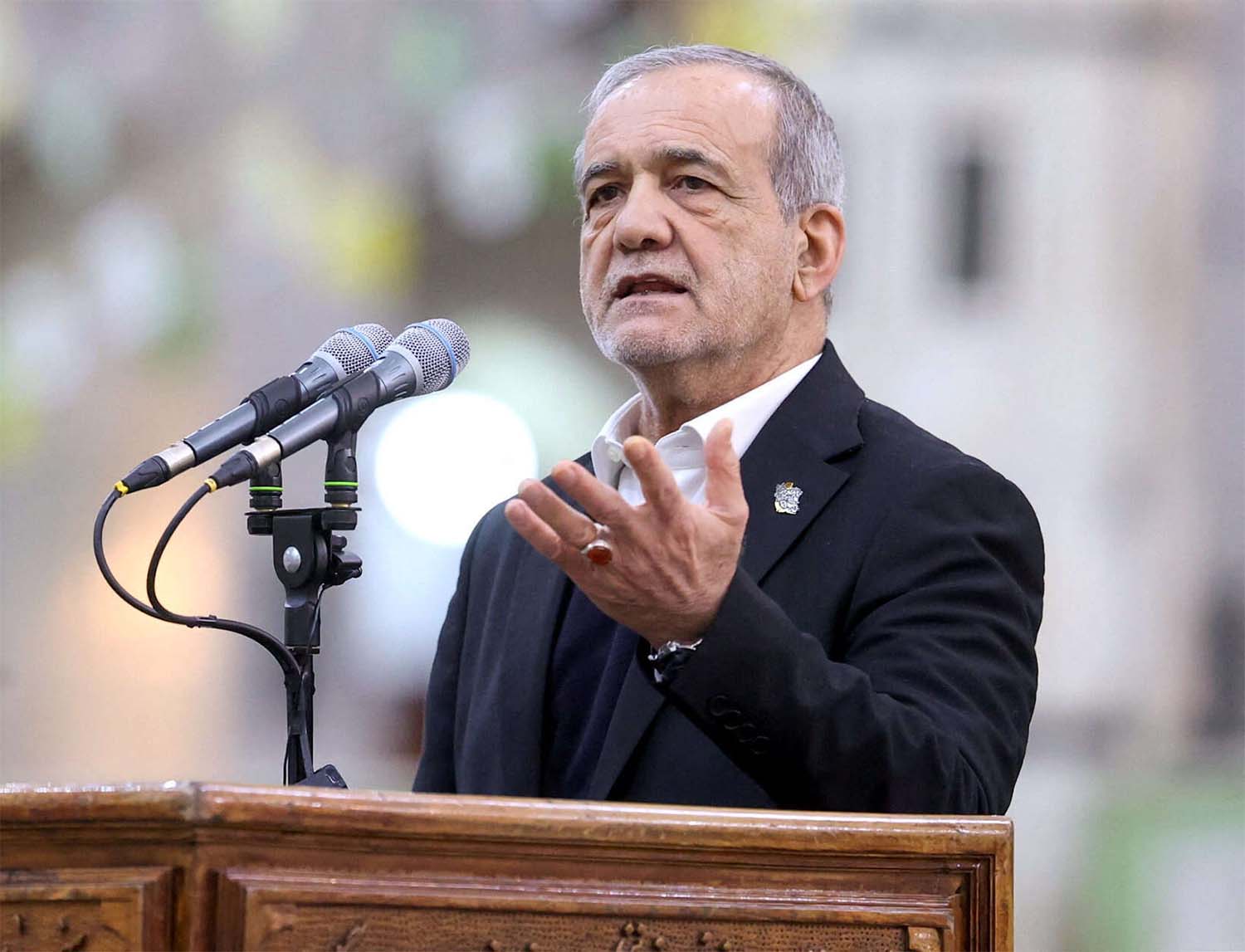
DUBAI - Iran's Supreme Leader Ayatollah Ali Khamenei has banned weapons of mass destruction, which "clearly means Tehran won't develop nuclear weapons", President Masoud Pezeshkian said on Thursday.
Pezeshkian was speaking ahead of a third round of nuclear talks with the US, which continues to accuse Tehran of seeking nuclear weapons.
Khamenei, who has the last say on Tehran's nuclear programme, banned the development of nuclear weapons in a fatwa, or religious decree, in the early 2000s.
Foreign ministry spokesperson Esmaeil Baghaei told Press TV on Thursday Iran enters the third round of indirect nuclear talks with the US with "seriousness and flexibility", adding that negotiations will only focus on nuclear topics and sanctions removal.
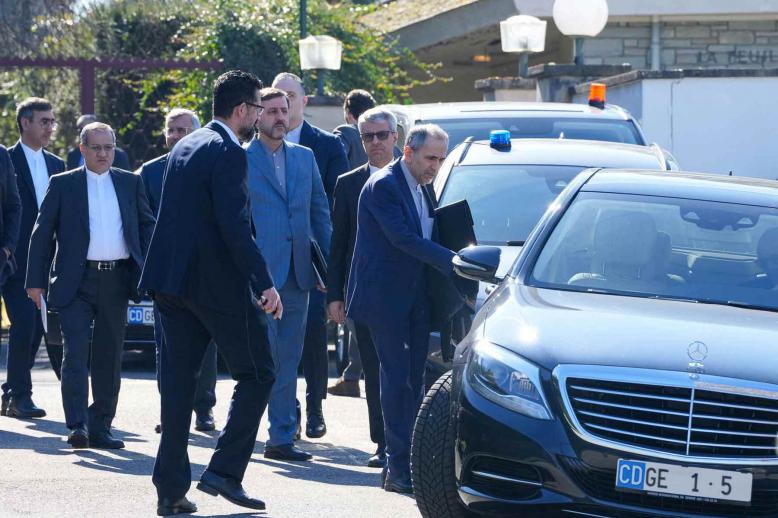
US Special Envoy Steve Witkoff and US President Donald Trump's son-in-law, Jared Kushner, will attend the indirect talks with Iran's Foreign Minister Abbas Araqchi, a US official told Reuters. The meeting follows discussions in Geneva last week and will again be mediated by Oman's Foreign Minister Badr Albusaidi.
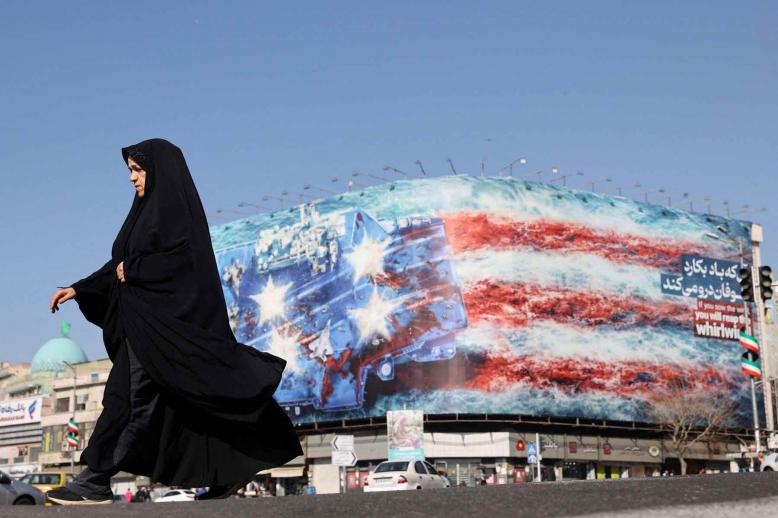
Trump briefly laid out his case for a possible attack on Iran in his State of the Union speech on Tuesday, stressing that while he preferred a diplomatic solution, he would not allow Tehran to obtain a nuclear weapon.
He has deployed fighter jets, aircraft carrier strike groups as well as destroyers and cruisers in the region, hoping to pressure Iran into concessions.
While the talks will focus on Iran's nuclear programme, US Secretary of State Marco Rubio said Iran's refusal to discuss its ballistic missile programme was a "major problem" that would have to be addressed eventually, as the missiles are "designed solely to strike America" and pose a threat to regional stability.
"If you can't even make progress on the nuclear program, it's going to be hard to make progress on the ballistic missiles as well," Rubio told reporters in Saint Kitts late on Wednesday.