


Berlin seeks to diversify its energy supplies following the abrupt halt of Russian gas imports
Germany revives plans to import renewables from Morocco
Germany is intensifying its energy partnership with Morocco, focusing on imports of renewable electricity and green hydrogen to bolster its energy security and accelerate the shift away from fossil fuels.
Thursday 26/02/2026

Berlin seeks to diversify its energy supplies following the abrupt halt of Russian gas imports
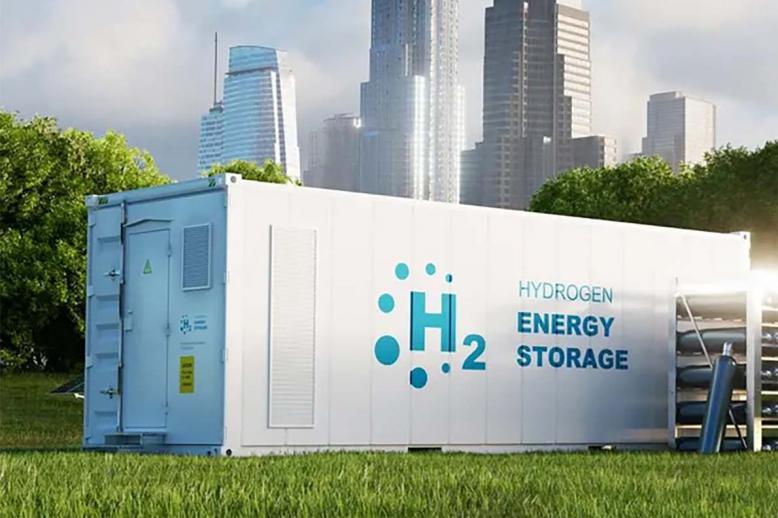
RABAT - Germany is intensifying its energy partnership with Morocco, focusing on imports of renewable electricity and green hydrogen to bolster its energy security and accelerate the shift away from fossil fuels, according to a report by German Foreign Policy.
This renewed push comes as Berlin seeks to diversify its energy supplies following the abrupt halt of Russian gas imports amid geopolitical tensions. By tapping into Morocco's abundant solar and wind resources, Germany aims to secure sustainable alternatives that can power its energy-intensive industries, such as chemicals and steel, while advancing its net-zero goals.
Germany's energy dilemma: Moving beyond Russian gas
Prior to the 2022 Russian invasion of Ukraine, Germany relied on Russia for over 50% of its natural gas imports, fueling much of its industrial base — the largest in Europe. The subsequent sanctions and pipeline disruptions forced a rapid pivot, leading to increased LNG imports from the US, Qatar, and Norway, alongside accelerated domestic renewable deployments. However, these measures have been costly and temporary, with gas prices spiking and industries facing competitiveness challenges.
To offset this reliance long-term, Germany has adopted a multifaceted strategy under its Energiewende (energy transition) policy. This includes massive investments in renewables (aiming for 80% renewable electricity by 2030), energy efficiency, and emerging technologies like green hydrogen — produced via electrolysis using renewable power — to decarbonize hard-to-electrify sectors.
Importing clean energy from sun-rich partners like Morocco represents a key pillar, reducing exposure to volatile fossil fuel markets and geopolitical risks associated with suppliers like Russia.
Deepening ties with Morocco: A strategic green alliance
Germany and Morocco have collaborated on energy projects for over a decade, but recent developments signal a deeper commitment. In June 2024, the two nations formed a climate and energy alliance to expand renewables and green hydrogen production in Morocco, with Germany providing technical and financial support. This builds on a 2012 memorandum of understanding (MoU) under the German-Moroccan Energy Partnership (PAREMA), which prioritizes renewable integration, grid stability, and Power-to-X technologies (converting renewable electricity into fuels like hydrogen).
The latest revival involves ambitious infrastructure proposals, including long undersea cables to connect Morocco's power grid directly to Europe's.
German officials are backing projects that could transmit approximately 26 terawatt-hours (TWh) of renewable electricity annually from Morocco — equivalent to about 5% of Germany's current demand. Morocco's favorable geography, with high solar irradiation and wind potential, positions it as an ideal exporter, potentially producing green hydrogen at competitive costs for shipment to German ports.
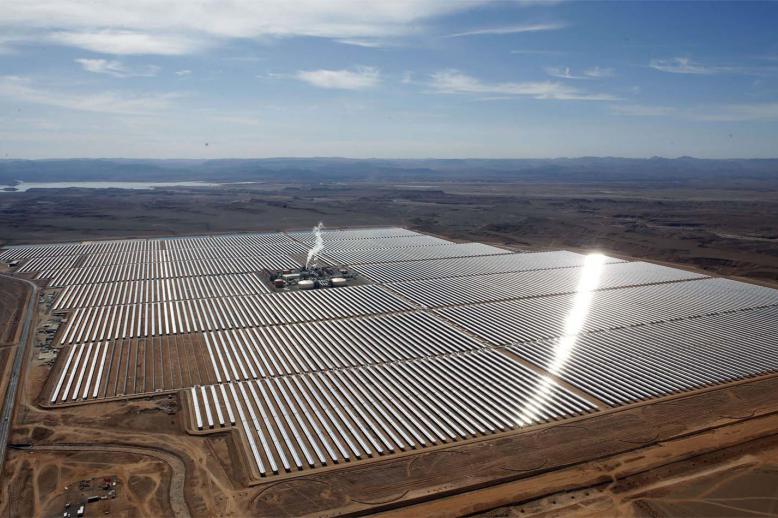
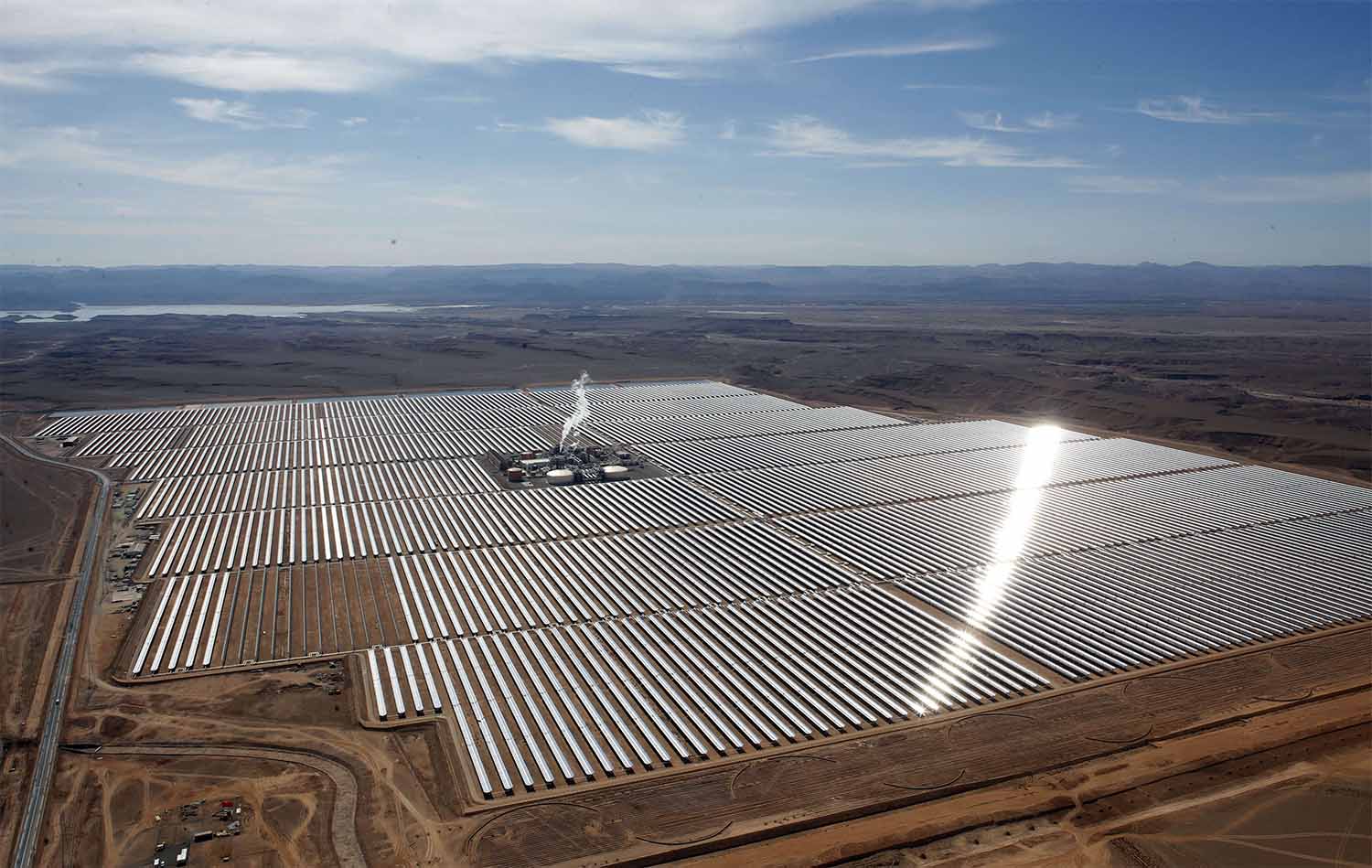
Federal funding from Germany is supporting pilot projects, financing mechanisms, and research tied to development policy. For instance, the Federal Ministry for Economic Cooperation and Development (BMZ) has aided wind farms in Tangier and solar thermal plants in Ouarzazate and Midelt, enhancing grid efficiency and renewable integration. A 2020 agreement also fosters green hydrogen initiatives, including the first African plant using Power-to-X technology, involving knowledge transfer between German institutions and Moroccan agencies like MASEN and IRESEN.
Offsetting Russian gas: Green imports for industrial resilience
Germany directly addresses its industrial vulnerabilities by importing Moroccan renewables and hydrogen. Green hydrogen can replace natural gas in processes like ammonia production for fertilizers or steelmaking, where electrification is challenging. This not only cuts emissions but also insulates industries from price shocks, as seen during the 2022 energy crisis when Russian supply cuts threatened factory shutdowns.
Morocco's plans to become a green hydrogen hub — with land allocations for large-scale projects involving international consortia from Germany, Spain, and others — align perfectly with Germany's needs. The "Morocco Offer" initiative aims to attract billions in private investment, accelerating the kingdom's energy transition while supplying Europe.
Development Minister Svenja Schulze has emphasized fairness in this "new green hydrogen economy," ensuring Morocco benefits through local value chains and energy access. This partnership also supports broader geopolitical goals, positioning Morocco as a key ally in North Africa amid shifting global dynamics.