

A direct message to Algerian activists and political opponents
Citizenship revocation law comes into effect in Algeria
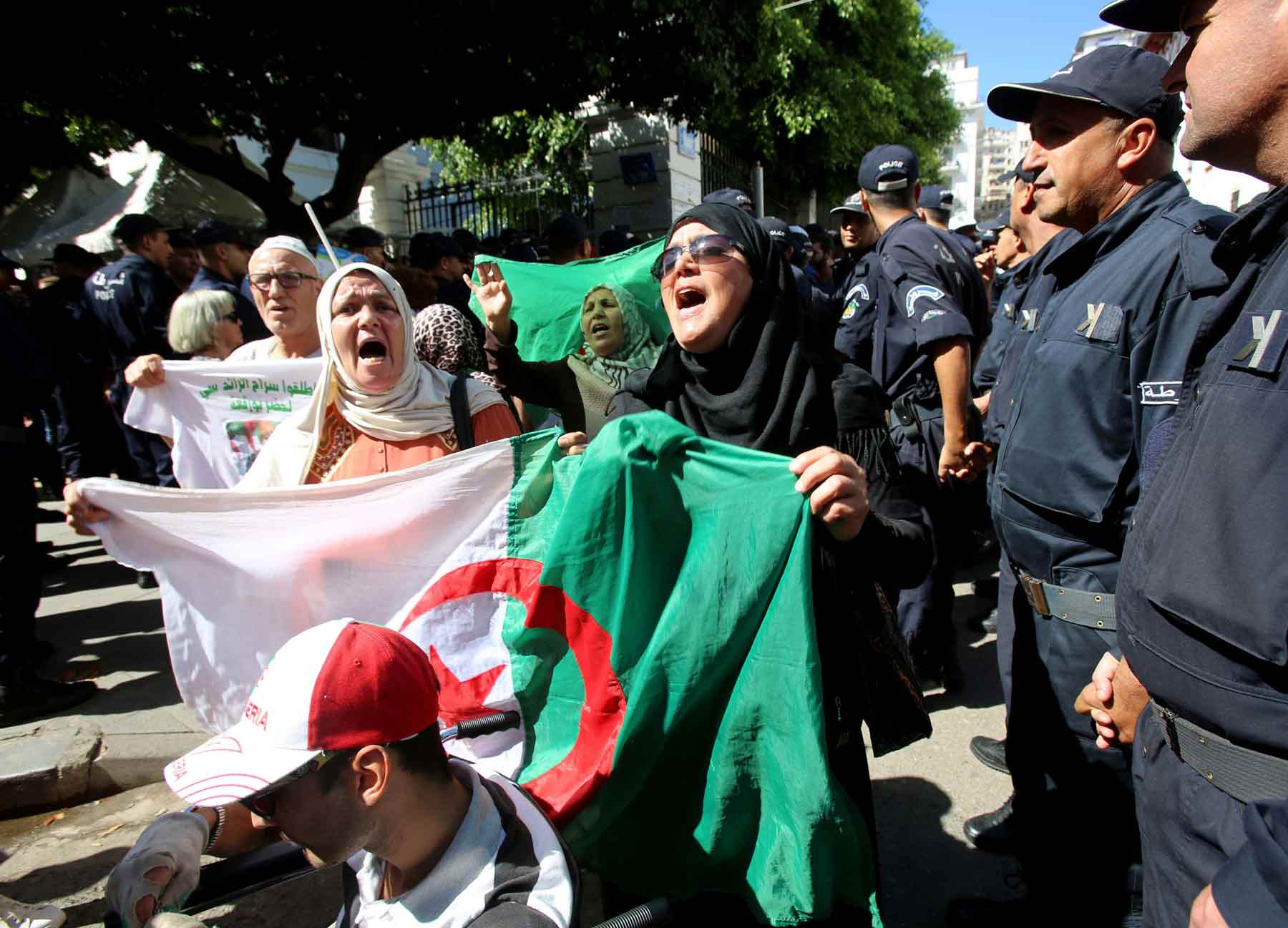
Critics argue the legislation could become a powerful instrument against political opponents, particularly members of the Algerian diaspora living in Europe and North America.
Thursday 26/02/2026
A direct message to Algerian activists and political opponents
ALGIERS – Algeria’s new citizenship law officially came into force on Wednesday, granting authorities the power to strip individuals of their Algerian nationality under a range of circumstances, a move that has ignited widespread debate over its political and human rights implications.
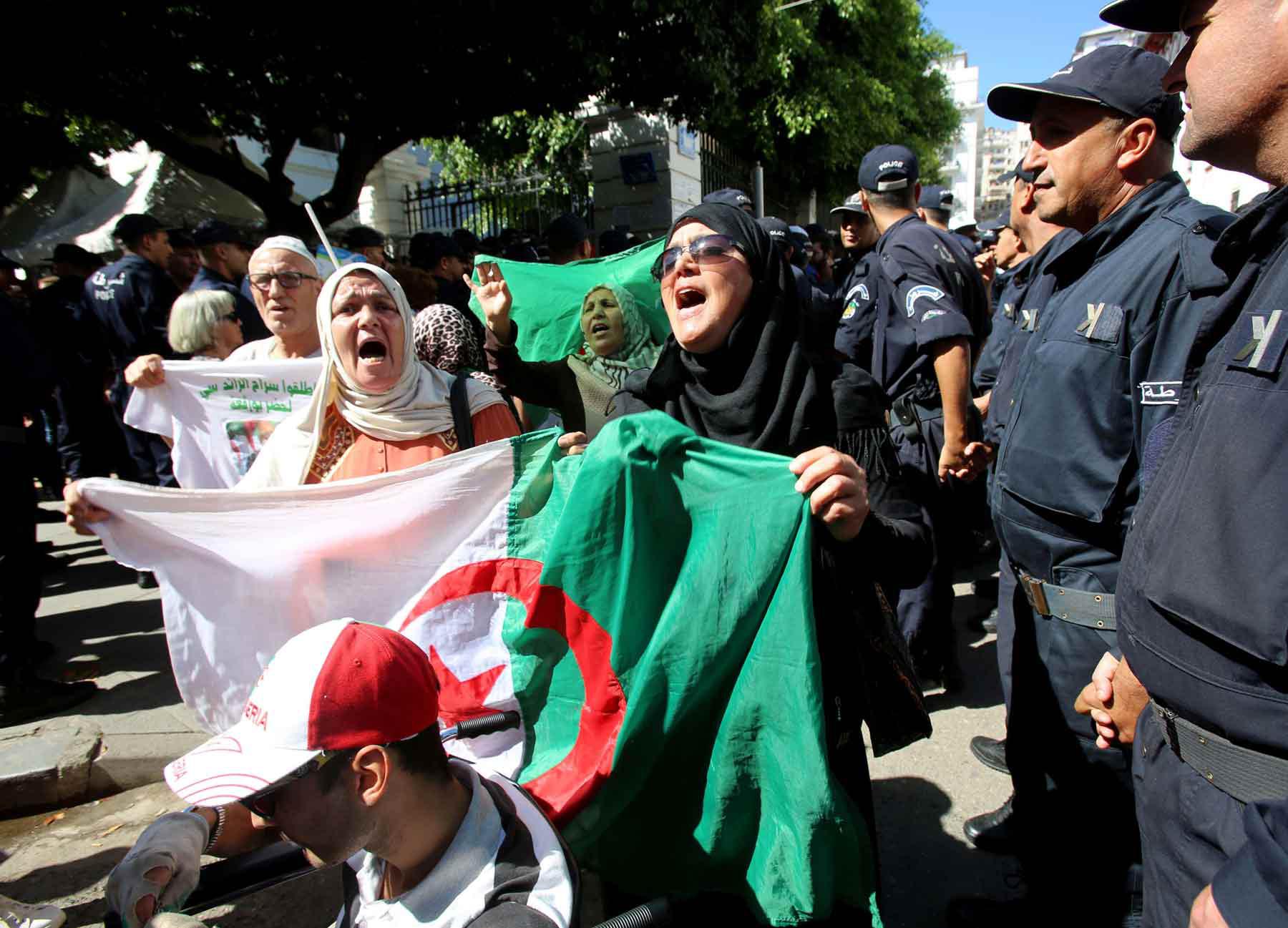
While the government presents the legislation as a necessary tool to safeguard national security, critics and rights groups argue that it could become a powerful instrument against political opponents, particularly members of the Algerian diaspora living in Europe and North America.
Under the new law, citizenship may be revoked in specific cases, including when a final court ruling finds an individual guilty of a felony or misdemeanour deemed harmful to Algeria’s vital interests or national unity. The legislation applies to both naturalised and, in certain circumstances, native-born Algerians.
The law also provides for the withdrawal of acquired nationality if a person is sentenced to five years or more in prison, whether the conviction occurs inside or outside Algeria. Furthermore, it allows for the stripping of original Algerian citizenship if there is what the text describes as “strong evidence” that the person committed “serious acts” abroad.
Among the offences listed are actions that cause “serious harm to Algeria’s interests, security or institutional stability,” pledging allegiance to a foreign state with the intention of harming Algeria, cooperating with a hostile state or entity, joining or financing terrorist organisations, or serving foreign military or security forces against the country’s interests.
The law also permits the revocation of nationality from Algerians who commit the specified acts inside the country but subsequently flee abroad.
Authorities may issue a prior warning to the individual concerned, granting a period of between 15 and 60 days to respond or comply. Notification can be delivered electronically or, if contact proves impossible, through publication in two national newspapers.
Article 22 of the law states that deprivation of original citizenship remains an “exceptional” measure to be used only for exhaustively defined reasons and with legal guarantees. In principle, the individual must hold another nationality, except in cases involving particularly grave offences such as treason, espionage, bearing arms against the state, or membership of terrorist organisations.
A special committee operating under the Justice Ministry will be established to review and rule on revocation cases, with its composition and procedures to be defined by subsequent regulatory text.
However, the law’s wording has drawn criticism from opposition figures and human rights organisations, who argue that terms such as “vital interests of the state” and “national unity” are overly broad and open to political interpretation. International legal standards, they note, typically favour precise definitions of crimes such as espionage or terrorism, whereas vague formulations could potentially encompass media statements, social media activity, or participation in protests abroad.
For many critics, the legislation sends a direct message to Algerian activists and political opponents based overseas. The loss of nationality would mean forfeiting identity, the right of return and formal ties to the homeland. For those without dual nationality, opponents warn, it could result in de facto statelessness, what some describe as “permanent exile.”
Analysts suggest the measure may encourage self-censorship among exiled dissidents concerned about trials in absentia that could culminate in citizenship revocation and the potential confiscation of property inside Algeria.
The move comes within a broader political context. In 2021, Algerian authorities designated two movements as “terrorist organisations,” accusing them of attempting to destabilise the country.
The first was the Islamist-leaning opposition movement Rachad, founded in Europe in 2007, whose prominent figures, including Mourad Dhina, Mohamed Larbi Zitout, Abbas Aroua and Rachid Mesli, operate from Switzerland and the United Kingdom.
The second was the Movement for the Self-Determination of Kabylie (MAK), a separatist group founded in 2002 and largely based in France, which has long called for independence in predominantly Amazigh regions of eastern Algeria and declared a provisional government in 2010.
Since then, the authorities have maintained that exceptional security measures are required to preserve stability. Critics, however, argue that the cumulative effect of such steps signals a tightening political environment.
The introduction of citizenship revocation powers adds a new dimension to that debate, highlighting the tension between national security considerations and concerns over civil liberties in a country that continues to navigate the legacy of political unrest and demands for reform.