

Reliable partner
Radar deal underscores Jordan’s rising role in US Middle East strategy
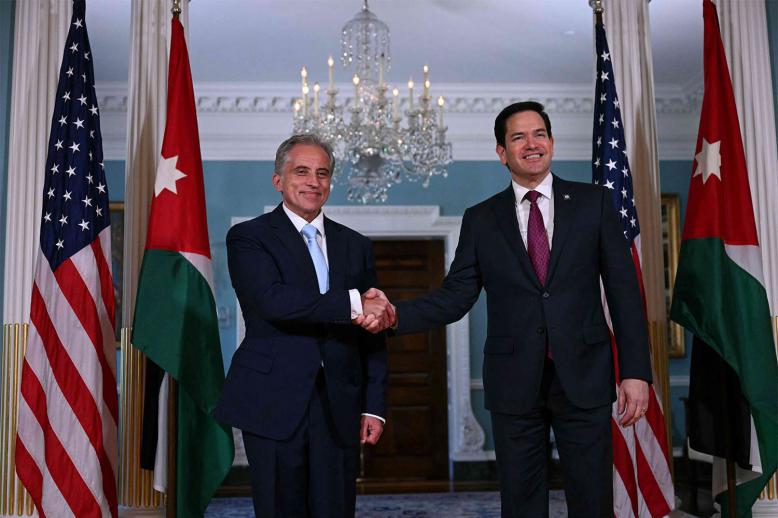
While framed as a routine foreign military sale, the radar approval fits into a broader pattern: Jordan’s transformation into a central pillar of US regional security architecture.
Friday 27/02/2026
Reliable partner
WASHINGTON/AMMAN – The United States has approved the potential $280 million sale of Ku Band Multi-Function Radio Frequency System radars and related equipment to Jordan, in the latest sign that Washington is deepening its strategic investment in one of its most reliable Middle Eastern partners.
The US State Department said on Thursday that the proposed deal, with RTX Missile Defense Technologies as principal contractor, would “improve Jordan’s capability to meet current and future threats by sustaining a credible force that can deter adversaries and participate in CENTCOM operations.” Congress has been formally notified of the prospective sale.
While framed as a routine foreign military sale, the radar approval fits into a broader pattern: Jordan’s transformation into a central pillar of US regional security architecture at a time of heightened tensions with Iran, persistent threats from Islamic State militants and a shifting geopolitical landscape across West Asia.
Aid surge reflects strategic shift
The radar deal comes weeks after the US House of Representatives passed the Fiscal Year 2026 Defence Appropriations Act, allocating no less than $1.65 billion in assistance to Jordan. That figure includes $845.1 million in direct budget support and at least $425 million in foreign military financing, alongside additional national security funding that pushes total US assistance to more than $2 billion.
The increase marks a notable jump from the roughly $1.45 billion annual framework that defined US-Jordan assistance for much of the past decade under their Memorandum of Understanding.
In Washington, foreign aid is rarely detached from strategic calculus. Congress tends to expand funding when a partner’s operational value increases. The latest figures suggest US policymakers see Jordan not merely as a beneficiary of support, but as a frontline security asset offering basing access, interoperability and political alignment.
From partner to frontline hub
That strategic recalibration is most visible at Muwaffaq Salti Air Base, which has rapidly emerged as one of the most significant US military hubs in the region.
Since early February, dozens of US Air Force C-17 strategic airlift flights have moved into the theatre, with a majority reportedly routed through the Jordanian base, far exceeding traffic to several Gulf facilities. Reports indicate the deployment of F-15E fighter aircraft, Patriot missile defence batteries and THAAD systems.
Taken together, these assets position Jordan as a forward node in America’s layered air and missile defence network, particularly in the context of Iran’s expanding missile and drone capabilities. They also enhance Washington’s capacity for rapid power projection across Syria and Iraq at a time when the US footprint in both countries remains under review.
The radar sale strengthens that architecture, improving early warning and targeting capabilities that underpin integrated air defence operations.
Operational integration deepens
Jordan’s growing strategic weight is not confined to basing arrangements. In December 2025, following the killing of two US soldiers and a civilian interpreter in Syria by Islamic State militants, Jordanian F-16s joined US aircraft in retaliatory airstrikes under Operation Hawkeye Strike.
For decades, Jordan has been a dependable intelligence and counterterrorism partner. Direct participation in coordinated retaliatory strikes after American casualties, however, marked a deeper level of operational integration.
King Abdullah II has simultaneously moved to restructure the Jordanian Armed Forces, unveiling reforms in January aimed at enhancing mobility, technological sophistication and rapid response capacity. The emphasis on modernisation and interoperability mirrors priorities outlined in the US 2026 National Defence Strategy, suggesting alignment not only in policy but in force design.
Strategic autonomy within alignment
Jordan has also demonstrated a willingness to act independently within this strengthened partnership. In late December 2025, it launched airstrikes in southern Syria targeting drug smuggling networks it says threaten national security.
The United States issued no public criticism, despite the sensitivity of operations in that area. Analysts say Washington’s muted response underscores the degree of trust Amman now enjoys, and the latitude it has gained through consistent alignment with US objectives.
The deepening partnership unfolds against a backdrop of regional flux. Iran’s weakened position and the reshaping of alliances have produced competing blocs across the Middle East. Rather than formally align with any regional coalition, Jordan has reinforced its bilateral partnership with Washington, preserving flexibility while solidifying its role as a stable anchor.
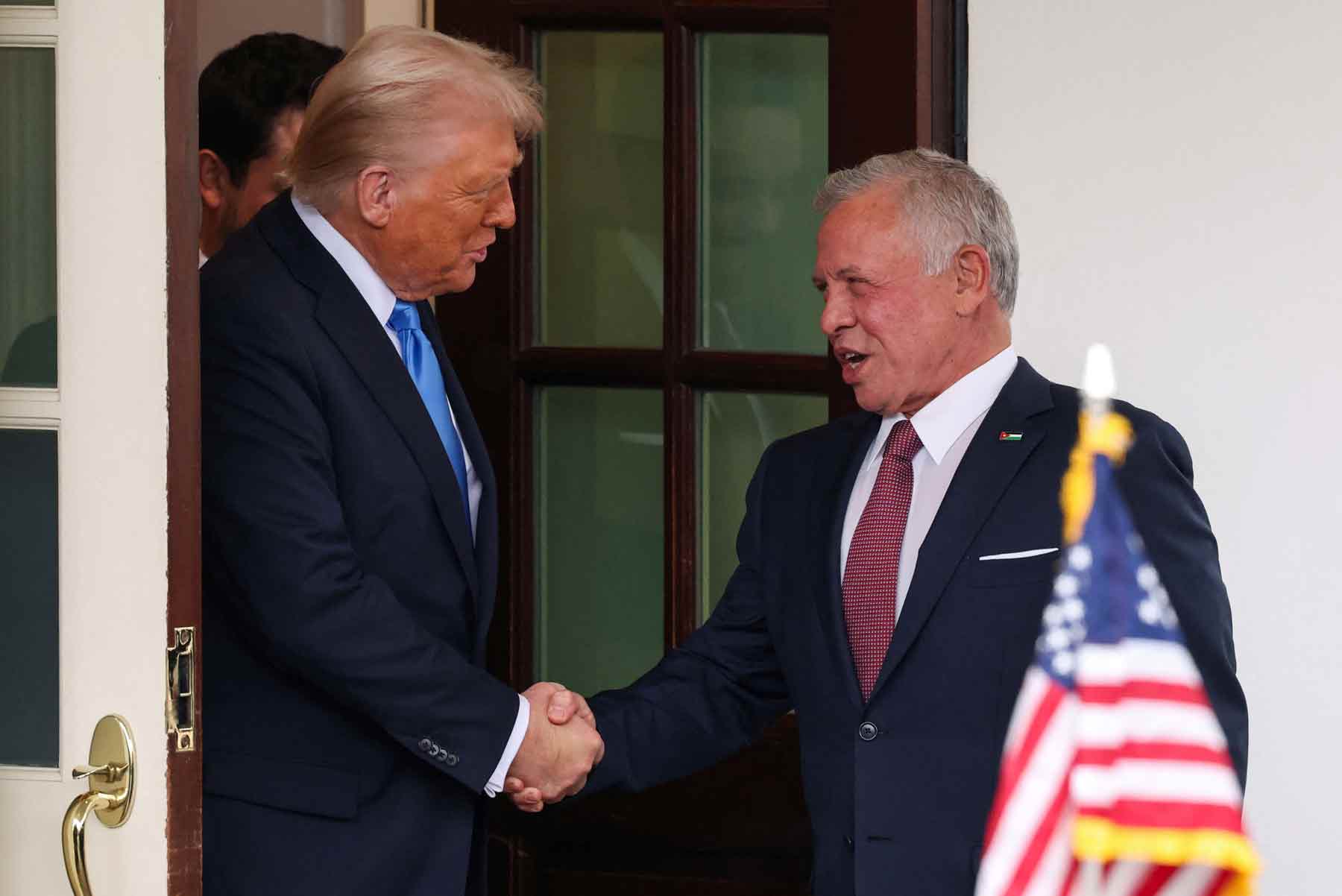
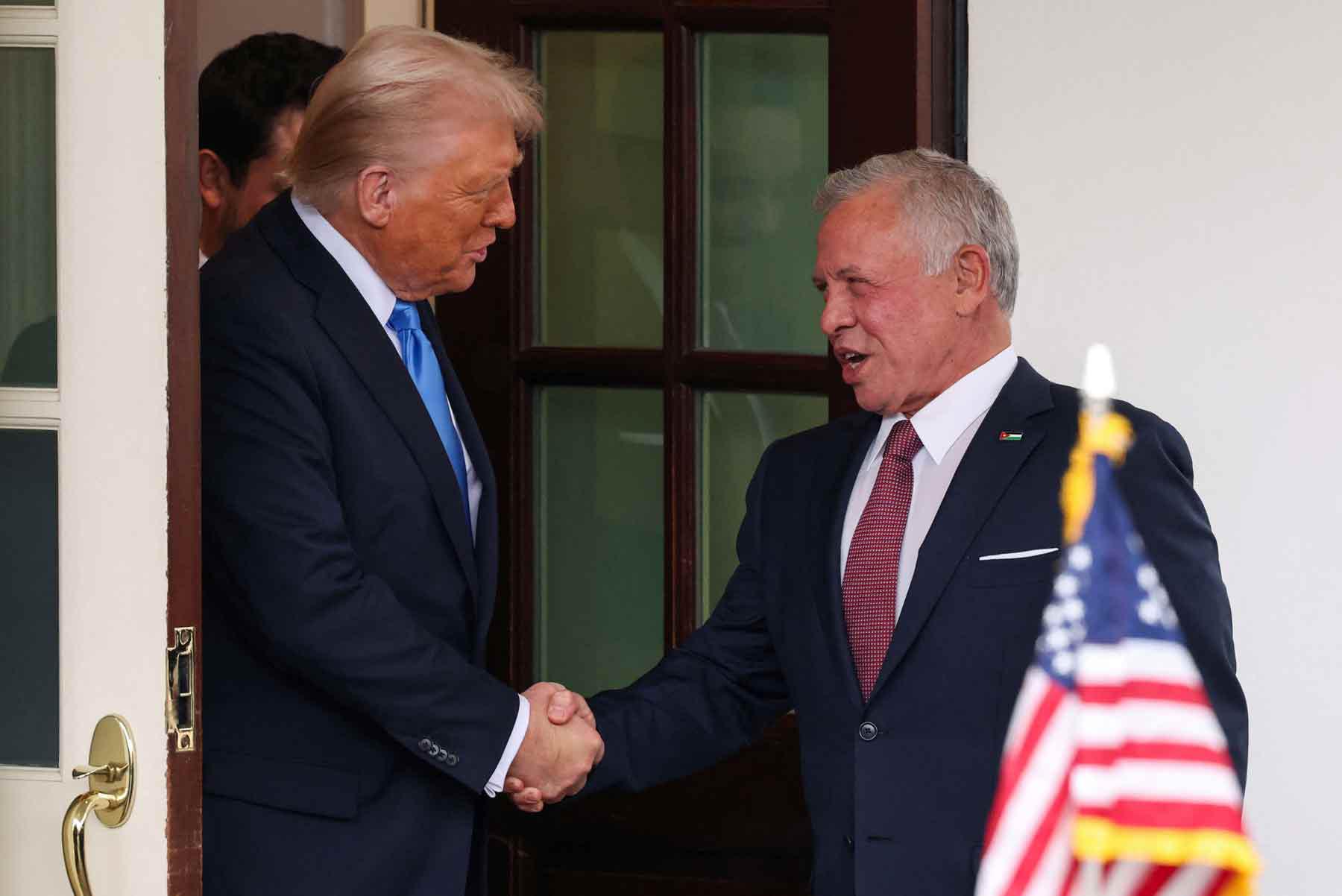
US President Donald Trump captured the tone of the renewed warmth in February 2025, praising King Abdullah II as “one of the true great leaders of the world,” days after relations had appeared strained over proposals to relocate Gaza’s population.
Since then, the trajectory has been clear. Washington has responded to Jordan’s alignment with expanded funding, enhanced military deployments and advanced defence sales. Amman, in turn, has synchronised its force structure, operations and strategic outlook with US priorities.
The $280 million radar package may appear modest in isolation. In context, it is another building block in a rapidly evolving security architecture, one that increasingly positions Jordan not simply as a dependable partner, but as the United States’ most critical Arab ally in an unsettled region.