

Ocalan framed democratic integration not as separation, but as deeper inclusion within Turkey’s political system
Jailed Ocalan calls for peace legislation to advance democratic integration in Turkey
The imprisoned Kurdish militant leader argues that lasting stability in Turkey depends on formal legal reforms that address longstanding political, cultural and rights-related grievances affecting the country’s Kurdish population.
Friday 27/02/2026
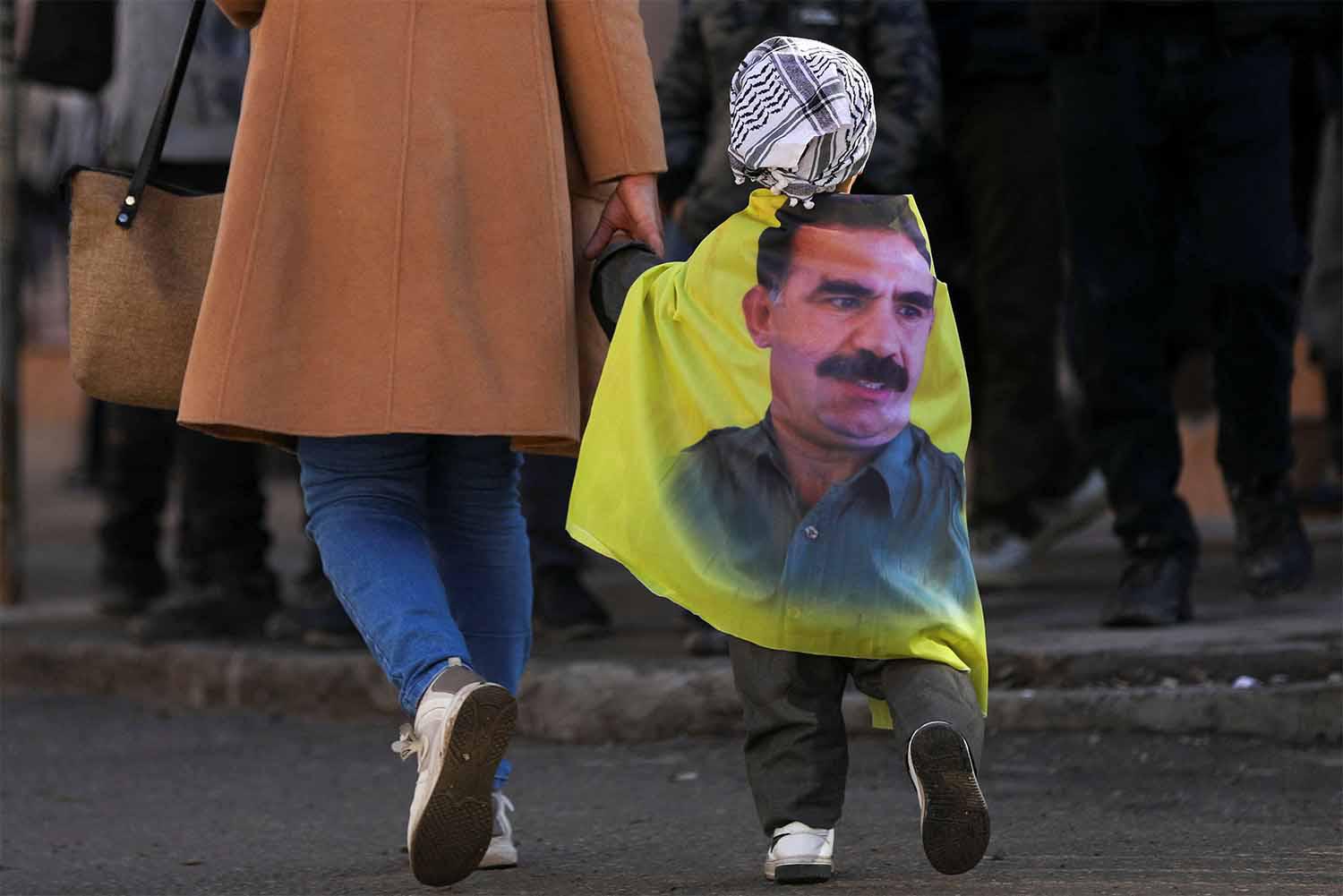
Ocalan framed democratic integration not as separation, but as deeper inclusion within Turkey’s political system
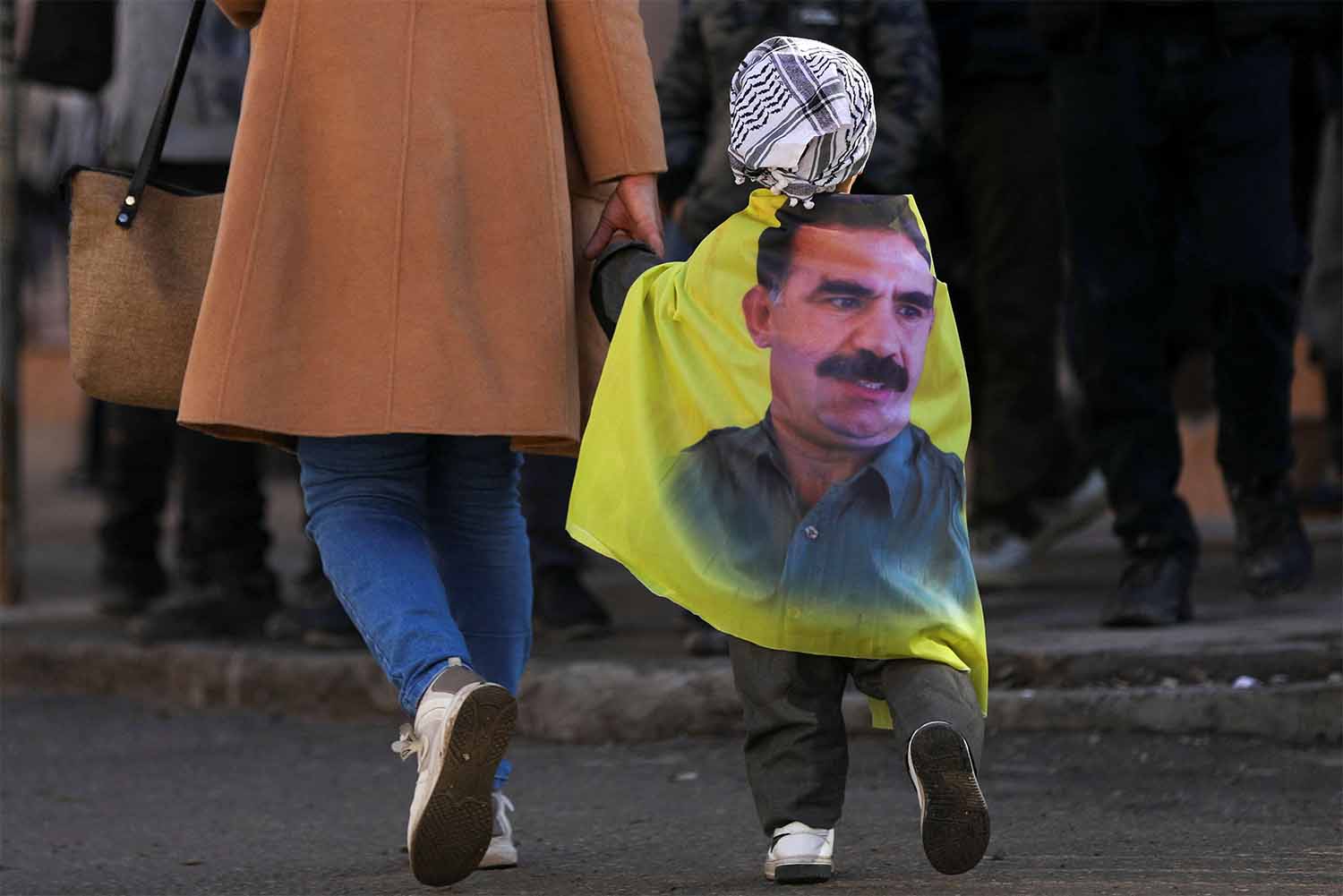
ISTANBUL — Imprisoned Kurdish militant leader Abdullah Ocalan called on Friday for the adoption of comprehensive peace legislation to enable what he described as “democratic integration” in Turkey, according to a statement conveyed through his legal representatives.
Ocalan, the jailed founder of the Kurdistan Workers’ Party (PKK), reportedly argued that lasting stability in Turkey depends on formal legal reforms that address longstanding political, cultural and rights-related grievances affecting the country’s Kurdish population. He emphasized that any sustainable reconciliation process must be grounded in legislation rather than temporary political understandings.
Call for structured reform
In remarks shared from prison, Ocalan said that peace requires a legal framework capable of ensuring political participation, local governance reforms and constitutional guarantees of equal citizenship. He framed democratic integration not as separation, but as deeper inclusion within Turkey’s political system.
Observers say the call reflects renewed debate over how Ankara might approach Kurdish political demands amid evolving regional dynamics and domestic political considerations.
Historical context
The PKK, designated a terrorist organization by Turkey, the United States and the European Union, has waged an armed insurgency against the Turkish state since 1984. The conflict has resulted in tens of thousands of deaths and remains one of the country’s most sensitive political issues.
Past peace efforts — including talks between Turkish officials and Ocalan between 2013 and 2015 — collapsed amid rising tensions and renewed violence. Since then, Ankara has taken a hardline security approach toward the group and affiliated networks.
Political and legal implications
Ocalan’s latest message appears to suggest that reconciliation must move beyond ceasefire discussions toward institutional reform. Analysts note that calls for legal guarantees often center on decentralization measures, expanded cultural rights and changes to anti-terror legislation.
Turkish authorities have not publicly responded to the reported remarks. The government maintains that any peace process must begin with the complete disarmament of the PKK.
The issue also intersects with developments in northern Syria and Iraq, where Kurdish armed groups maintain significant influence. Turkey has conducted cross-border operations targeting what it views as PKK-linked entities.
While it remains unclear whether Ocalan’s call signals a new phase in dialogue efforts, it has reignited discussion among political observers about whether legal reforms could serve as a foundation for reducing tensions.
For now, the prospect of renewed talks appears uncertain. But Ocalan’s message underscores that the Kurdish question remains central to Turkey’s political landscape — and that any long-term solution may require legislative change as well as political will.