

A cornerstone of the national economy
Morocco’s ancient crafts flourish as Ramadan revives artisan economy
Traditional industry is a cornerstone of the national economy, employing approximately 2.7 million artisans, nearly 22 percent of the workforce, the majority in rural areas.
Friday 27/02/2026
A cornerstone of the national economy
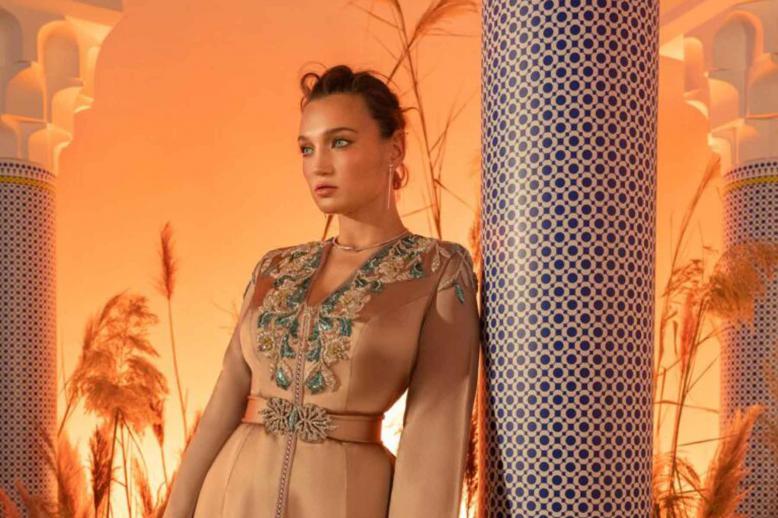
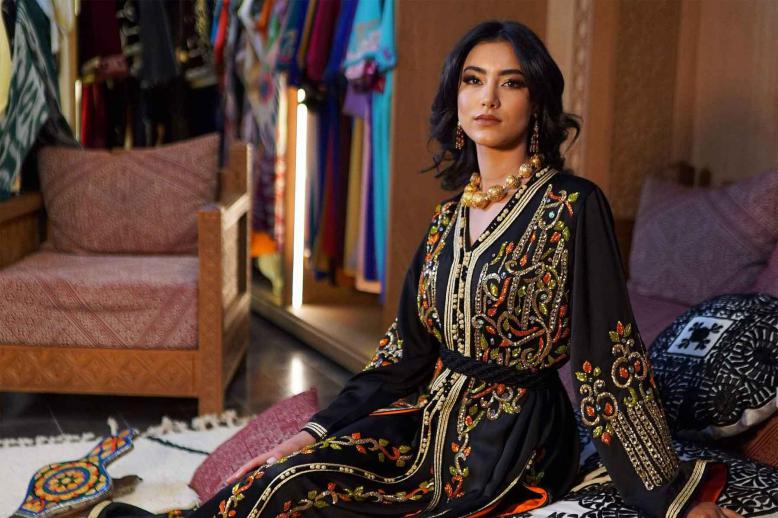
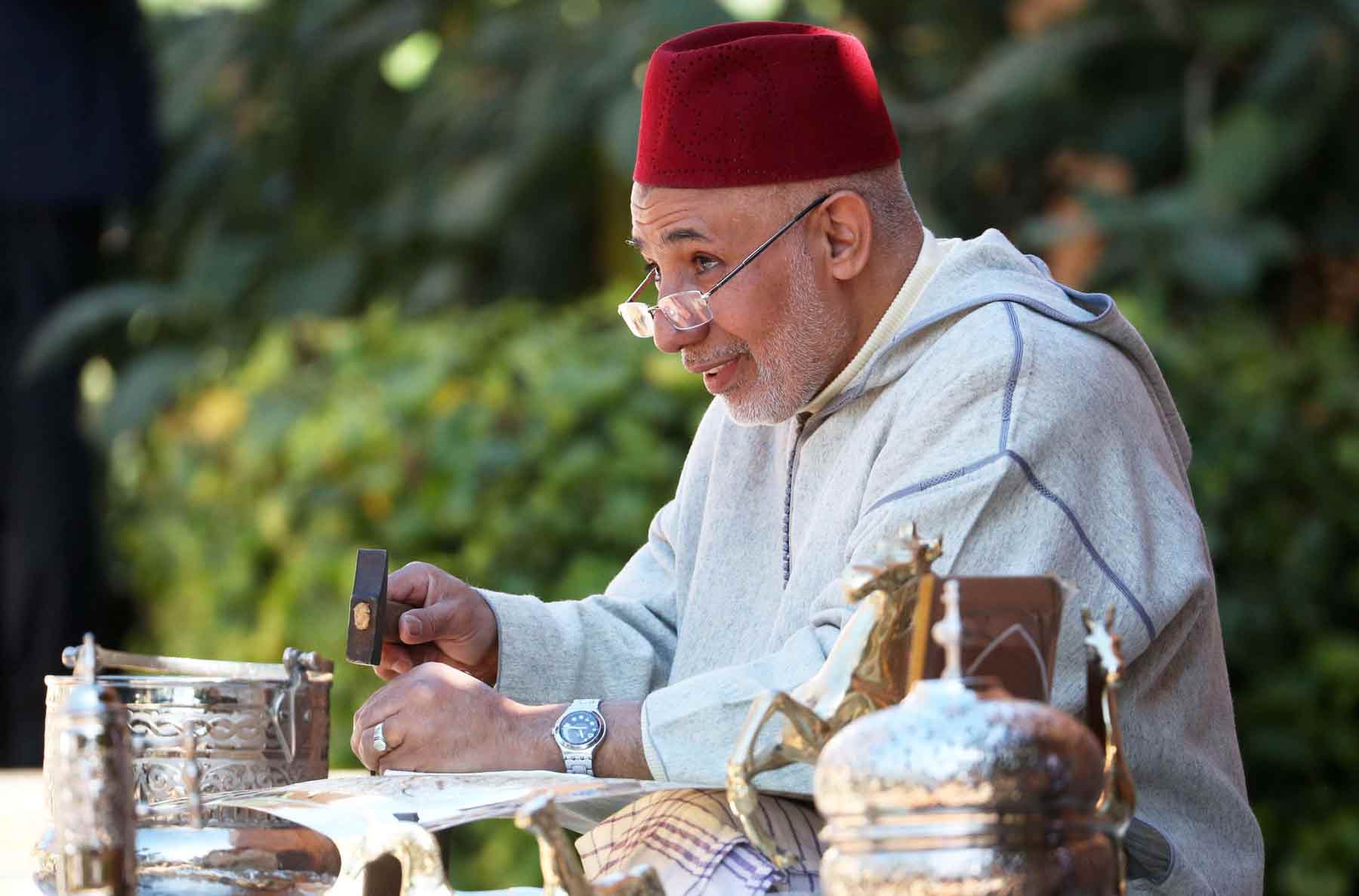
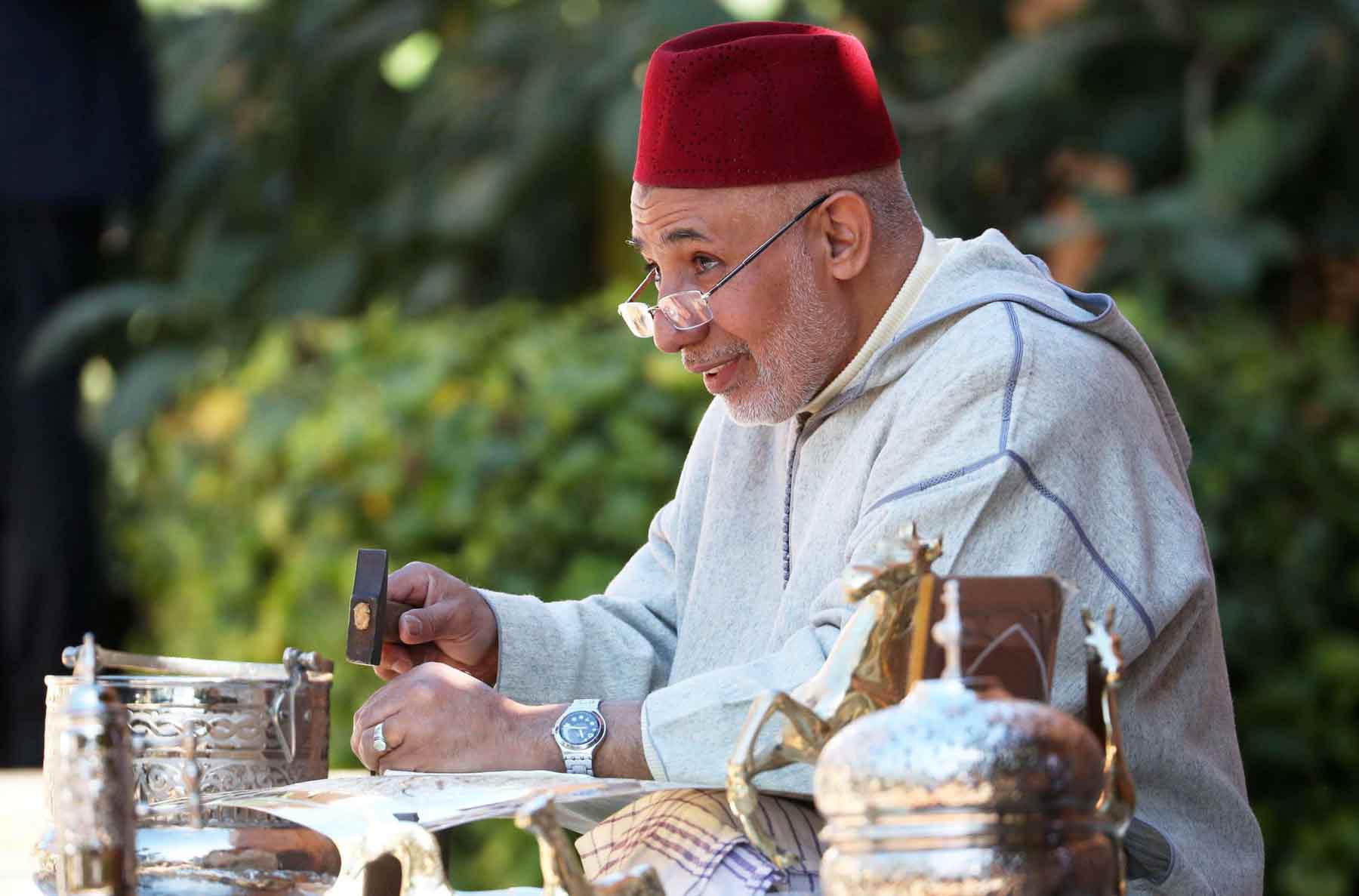
RABAT – As Ramadan settles over Morocco, the mood of its ancient cities subtly shifts. In the maze-like alleys of their historic medinas, workshops spring back into motion and small artisan shops thrum with renewed purpose. The crisp ring of hammers striking copper carries through narrow passageways, the earthy scent of tanned leather hangs in the air and jewel-bright traditional garments gleam in shopfronts, a living portrait of a craft tradition woven tightly into the fabric of Moroccan identity.
Ramadan is not merely a spiritual occasion; it is also a powerful economic and social season. Demand for handmade goods rises significantly during the holy month, as Moroccans seek products that embody authenticity and generational craftsmanship. Traditional industry is a cornerstone of the national economy, employing approximately 2.7 million artisans, nearly 22 percent of the workforce, the majority in rural areas, according to official figures. The sector contributes roughly 7 percent to the country’s gross domestic product.
Along Consuls Street in Rabat’s historic medina, leather craftsman Mohammed Lakaas works meticulously on a series of handmade pieces, benefiting from the seasonal surge in orders. He produces belts, handbags, storage cases and even leather car-seat covers through a detailed, multi-stage process that begins with selecting the hide and ends with careful finishing touches.
He stresses that product quality depends above all on the tanning process, a decisive stage that determines the leather’s durability and aesthetic appeal. Artisans rely primarily on Moroccan hides, though some import materials from countries such as Portugal and Italy to ensure variety and enhance quality.
According to the government’s Craft and Trade Reference Guide, Morocco is home to around 150 crafts, 100 within productive traditional industries and 50 in service-based crafts, reflecting a remarkable professional diversity spanning pottery, zellige tilework, textiles and carved wood.
Yet despite this richness, many crafts stand at a crossroads. Younger generations are increasingly reluctant to learn traditional trades or follow in the footsteps of their parents and grandparents. Lakaas explains that he himself learned under a maâlem, a master craftsman, in a time-honoured apprenticeship system built on patience, gradual progression and skill acquired through practice.
Today, fierce competition from low-cost industrial products, combined with shifting social dynamics, threatens some crafts with extinction. In March 2024, Moroccan authorities launched a year-long programme to safeguard 32 endangered crafts, a move aimed at preserving this cultural heritage and ensuring its continuity.
Although raw material costs have risen, artisans are striving to keep prices stable, often reducing profit margins to maintain demand. A broad segment of Moroccan society, along with foreign tourists, continues to value traditional goods for their fusion of function, beauty and cultural symbolism.
Sales of handicrafts aimed at tourists reached approximately 10 billion dirhams (nearly $1 billion) in 2025, while exports grew by 11 percent compared with 2024, reaching 1.23 billion dirhams, according to the State Secretariat for Handicrafts.
In January, Secretary of State in charge of Handicrafts Lahcen Saadi told parliament that the sector plays roles extending beyond economics, contributing to the preservation of cultural identity and the promotion of Morocco’s civilisational heritage.
Exports surpassed 1.11 billion dirhams in 2024, led by pottery at 36 percent, followed by traditional carpets at 20 percent and traditional garments at 13 percent. The United States topped the list of importing countries with 44 percent of exports, followed by France (14 percent) and Spain (7 percent).
The sector is now operating within a comprehensive strategy focused on upgrading and modernisation, enabling artisans to meet competition and adapt to market shifts while improving working and living conditions. Nearly 440,000 artisans are registered in the National Handicrafts Register, and more than 660,000 have benefited from enrolment in the National Social Security Fund.
Thus, Ramadan becomes an annual moment of renewal between Moroccans and their craft heritage. Traditional industry evolves from a purely economic activity into a living space for safeguarding collective memory and creating everyday beauty, sustained by a spirit handed down through generations that continues to withstand the pressures of change.