


Morocco's imports from Turkey have outpaced its exports
Morocco-Turkey trade hits historic $5 billion milestone for first time since Free Trade Agreement
Morocco's Ambassador to Ankara describes the figure as evidence of "tangible momentum" in economic and commercial cooperation driven by deep-rooted historical ties and strong political will at the highest levels.
Friday 27/02/2026
Morocco's imports from Turkey have outpaced its exports
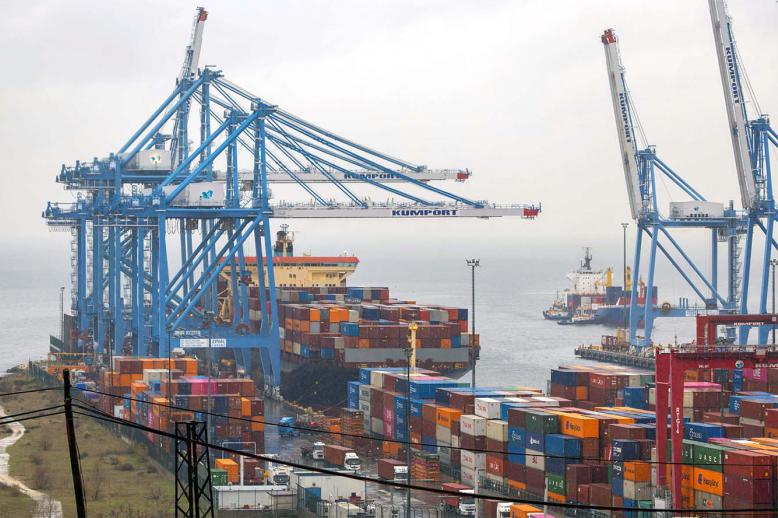
ANKARA - Trade between Morocco and Turkey surpassed $5 billion for the first time in 2025, in a major boost to bilateral economic ties, marking a significant achievement since the two countries signed their free trade agreement (FTA) in 2006.
"Trade volume has, for the first time since the free trade agreement entered into force, surpassed the $5 billion level," said Morocco's Ambassador to Ankara, Mohammed Ali Lazreq, describing the figure as evidence of "tangible momentum" in economic and commercial cooperation driven by deep-rooted historical ties and strong political will at the highest levels.
According to data from Turkey's Ministry of Trade, bilateral exchanges reached approximately $4.9 billion in 2024 before crossing the symbolic threshold in 2025. Figures from the Türkiye Exporters Assembly (TIM) further show Turkish exports to Morocco exceeded $3.9 billion last year, reflecting robust demand for Turkish goods in the Moroccan market.
The upward trajectory has continued into early 2026, with Turkish exports in January rising 18.7% year-on-year to more than $305 million, underscoring sustained Moroccan interest in Turkish products across sectors such as textiles, machinery, automotive parts, and consumer goods.
The FTA, which entered into force in 2006 and has been periodically updated, has facilitated tariff reductions and eased market access, contributing to steady growth over the years. The $5 billion milestone represents a new high, positioning Turkey as one of Morocco's key trading partners outside the European Union.
Addressing the trade imbalance
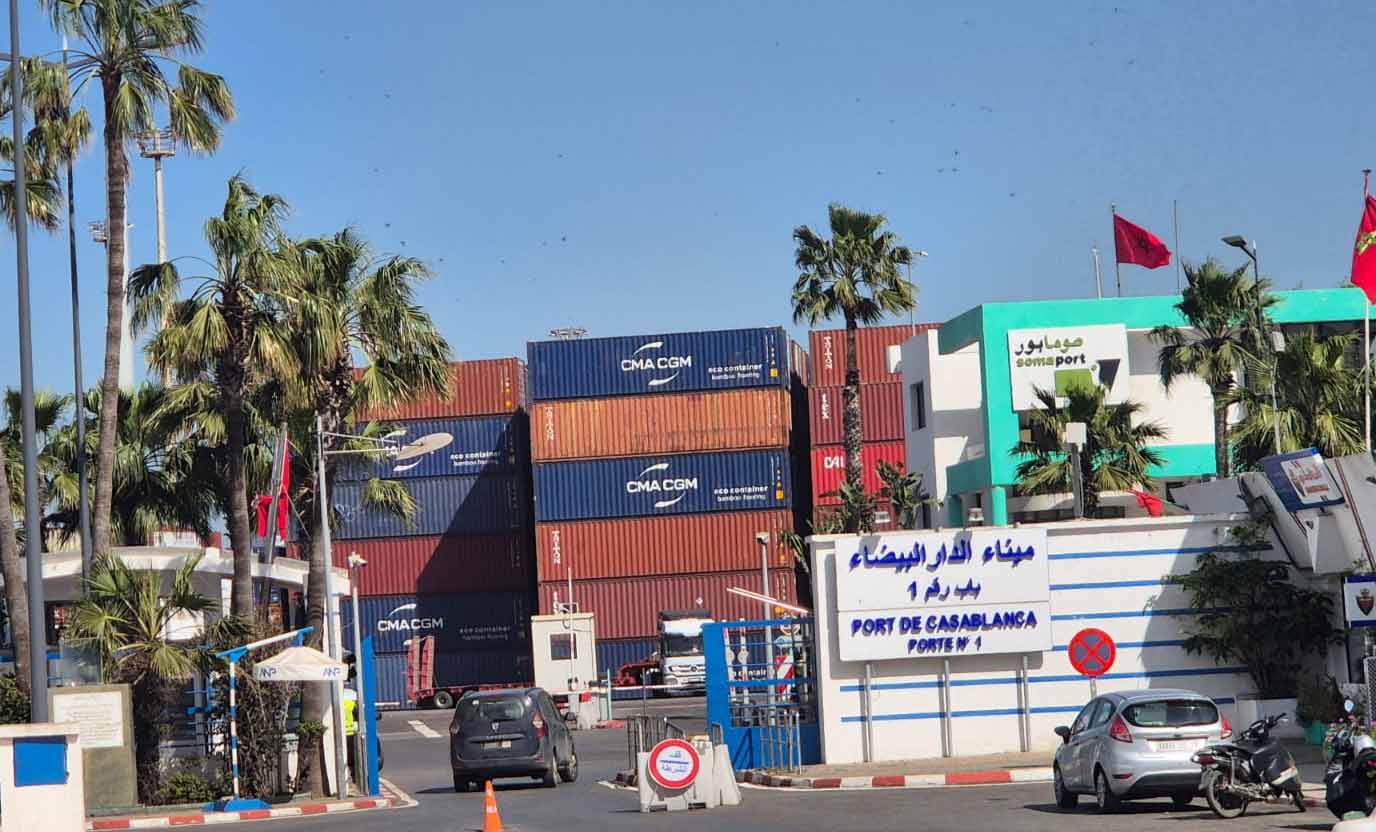
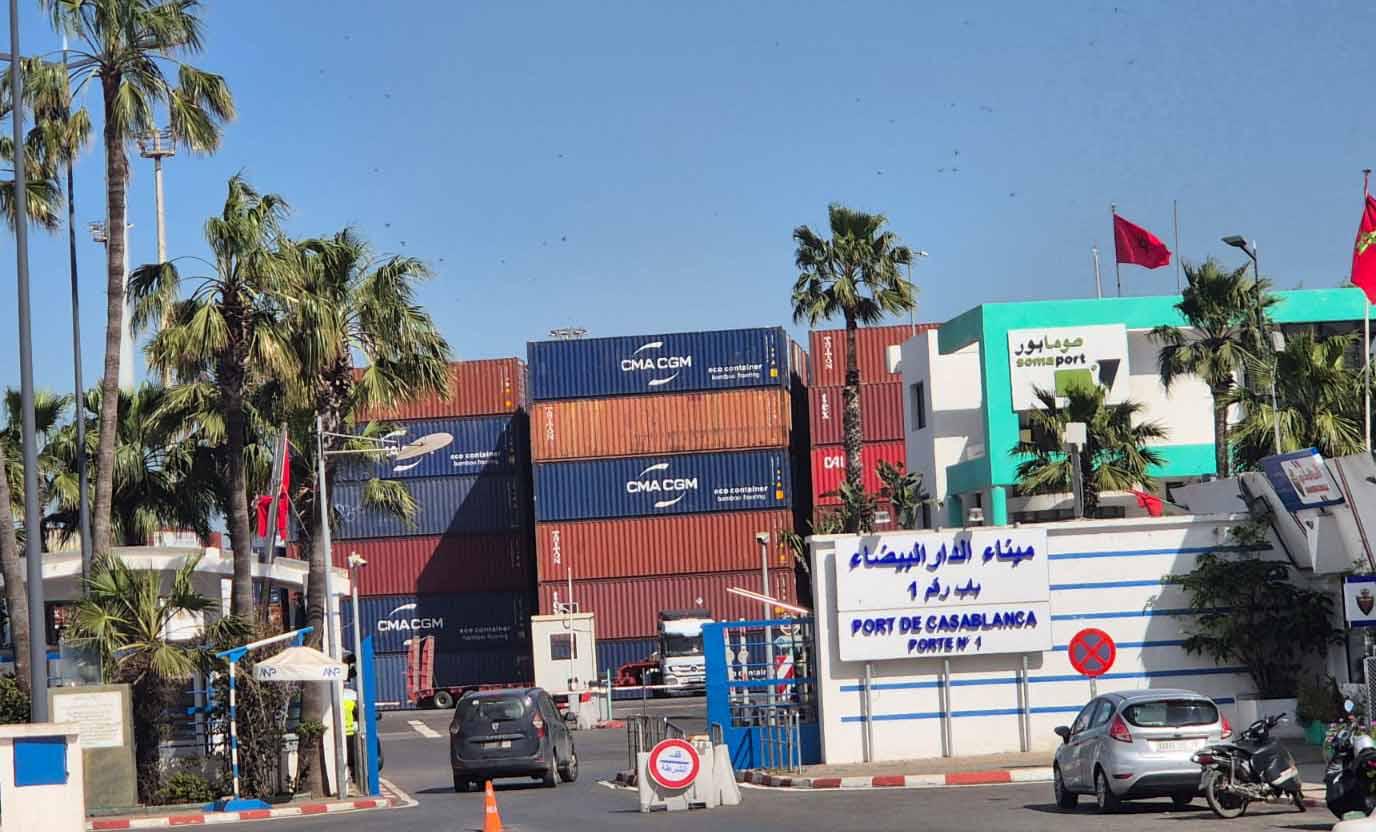
While celebrating the overall expansion, Ambassador Lazreq acknowledged persistent challenges, particularly the widening trade deficit favouring Turkey. Morocco's imports from Turkey have outpaced its exports, leading to a significant imbalance that Moroccan officials have flagged in recent years.
To promote a more balanced partnership, Rabat has called for increased Turkish investment in Morocco, particularly in manufacturing, infrastructure, and value-added industries. Such investments could help offset the deficit by creating local production capacity, generating jobs, and enabling Moroccan firms to export more competitively.
The two countries have held joint monitoring committee meetings on the FTA implementation, with discussions focusing on measures to address asymmetries and encourage mutual investment flows.
The trade surge aligns with Morocco's efforts to diversify its economic partnerships and strengthen ties across the Mediterranean and beyond. Turkey, meanwhile, views Morocco as a strategic gateway to African markets, especially ahead of major events like the co-hosted 2030 FIFA World Cup (with Spain and Portugal), which is expected to drive infrastructure and tourism-related opportunities.
Analysts see potential for further growth in sectors like renewable energy, agriculture, tourism, and defense-industrial cooperation.
Ambassador Lazreq's comments emphasize optimism that targeted investments and balanced initiatives can build on this success, transforming the partnership into a more equitable and mutually beneficial model for the future.