

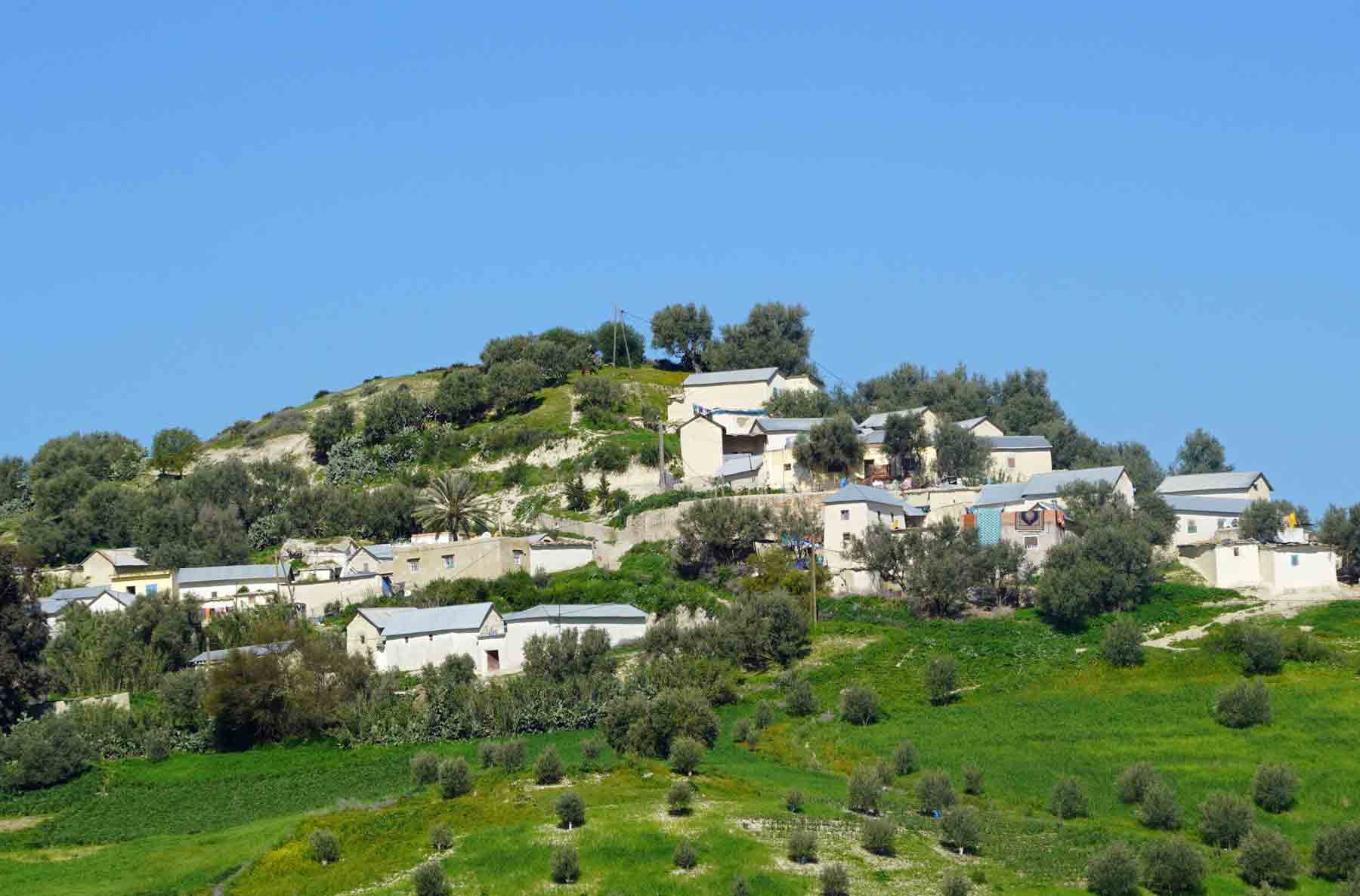
Geography, climate and daily habits may contribute to immune system resilience
Morocco tops global immunity index 2026, outperforming 29 nations
Morocco’s strong showing reflects a combination of favourable climatic conditions and behavioural patterns that together create an environment placing less strain on the immune system.
Sunday 01/03/2026
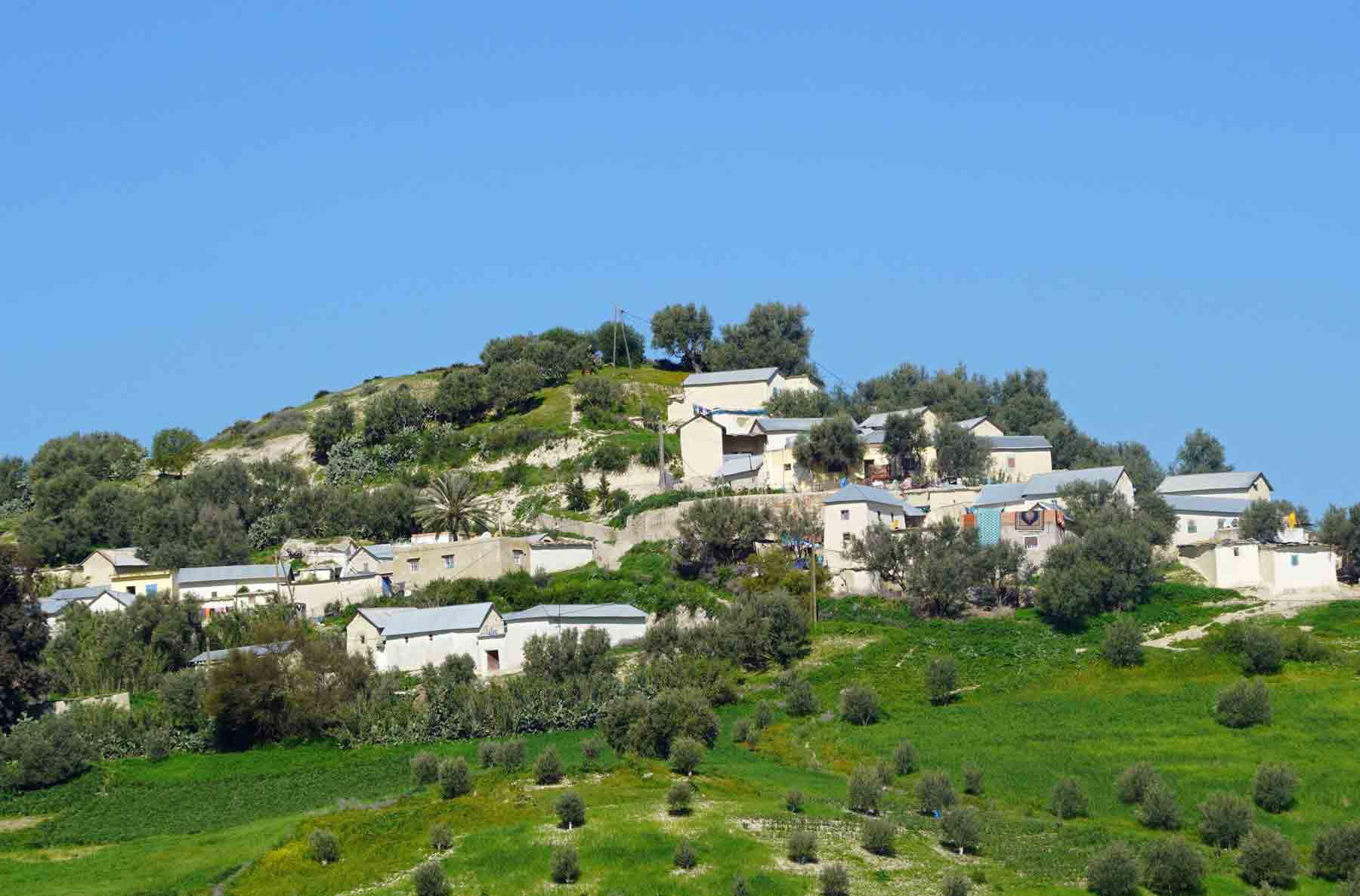
Geography, climate and daily habits may contribute to immune system resilience
RABAT – Morocco has emerged as the leading country in the World Immunity Index 2026, a new scientific report highlighting the role of environmental and lifestyle factors in strengthening the body’s natural defences without reliance on complex medical interventions.
The study, issued by British supplements company Nature’s Best, ranked Morocco first out of 30 nations analysed, awarding the kingdom 63.4 points out of a possible 80. The index assesses how geography, climate and daily habits may contribute to immune system resilience rather than measuring direct clinical immune performance.
According to the report’s authors, Morocco’s strong showing reflects a combination of favourable climatic conditions and behavioural patterns that together create an environment placing less strain on the immune system.
Lower humidity levels and moderate rainfall were cited as significant factors, potentially limiting damp-related conditions that are often linked to respiratory irritation and immune stress.
Due to successive years of drought, Morocco has recorded consistently low rainfall levels, a condition the study associates with fewer mould and humidity-related problems. Supporting this conclusion, global search data analysed in the report indicated comparatively lower volumes of online queries related to damp and mould in Morocco than in more humid climates.
The index was compiled using a broad set of data drawn from public health records, weather monitoring systems and worldwide Google search trends. Researchers sought to explore how everyday environmental conditions and lifestyle indicators correlate with immune health outcomes.
Eight principal indicators were used in the ranking: life expectancy, obesity rates, alcohol-related hospital admissions, smoking prevalence, average annual temperature, air pollution levels, rainfall volume and the number of online searches related to mould and humidity. A statistical normalisation methodology was applied to ensure that comparisons between countries were balanced despite differences in data collection systems.
The study noted that while certain factors affecting immune resilience can be influenced through public health policy and personal choices, such as smoking and obesity, others are shaped primarily by geography and climate.
Morocco’s smoking rates were found to be lower than those recorded in several industrialised nations included in the ranking, a factor widely recognised in public health research as positively influencing respiratory and systemic health. Alcohol-related hospital admissions were also comparatively limited, further supporting Morocco’s overall position in the index.
The ranking reflects a broader shift in the global health landscape. India placed second in the index, followed by South Africa in third position, while advanced economies including the United States and the United Kingdom fell lower down the table. The report’s authors suggested that high levels of obesity, widespread consumption of processed foods, air pollution and urban stress may have negatively affected the standing of several developed nations.
Charlotte East, nutrition expert at Nature’s Best, said the variations observed between countries demonstrate a complex interplay of environmental, social and economic influences. She highlighted the importance of sunlight exposure in stimulating the production of vitamin D, an essential component in maintaining immune health.
While acknowledging that dietary supplements may help address specific deficiencies, she emphasised that they cannot substitute for a balanced diet and sustained healthy lifestyle habits over the long term.
Despite Morocco’s leading position, broader public health data present a more nuanced picture of lifestyle-related risks. National surveys indicate that approximately 13.8 percent of Moroccan adults are daily smokers, with prevalence significantly higher among men than women. Although this rate remains below that of many high-income countries, tobacco use continues to represent a behavioural risk factor for respiratory and overall health.
Data published by the World Health Organisation Eastern Mediterranean Regional Office show that around 53 percent of adults in Morocco are overweight, defined as having a body mass index of 25 or higher, while approximately 20 percent are classified as obese according to nationally representative findings. Scientific research in immunology associates obesity with chronic low-grade inflammation and alterations in immune system response, though researchers continue to examine the precise biological mechanisms involved.
The report concludes that immune system robustness is not necessarily determined by healthcare expenditure or economic power alone. Environmental quality, air purity, balanced nutrition, regular physical activity and daily lifestyle patterns also play significant roles.
At the same time, the authors caution that composite indices of this nature rely on general statistical indicators and should be interpreted within their methodological and scientific context, particularly given differences in national data collection frameworks.
Looking ahead to 2026, the report recommends measures to support immune health, including improving sleep quality and maintaining consistent sleeping patterns, ensuring adequate intake of nutrients such as vitamin D, vitamin C and zinc, managing stress levels through relaxation practices, engaging in regular physical activity even for short daily periods, and adopting a balanced diet rich in fruit, vegetables and whole grains.
While Morocco’s top ranking reflects favourable environmental and behavioural conditions, experts stress that long-term immune resilience ultimately depends on sustained public health strategies and individual commitment to healthy living.