



War-torn Gaza's population relies heavily on external supplies
WFP says key Gaza crossing will reopen imminently
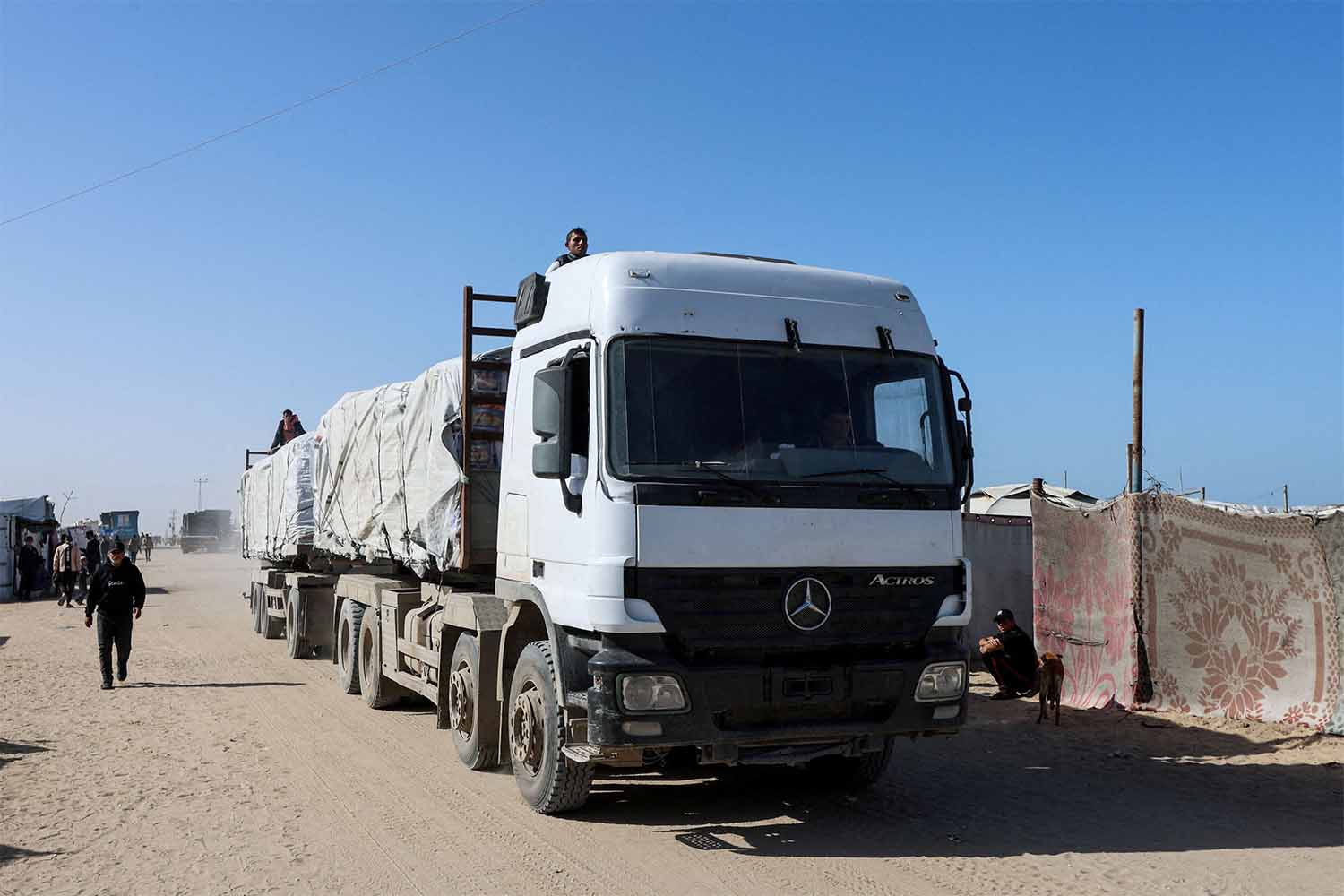
The World Food Programme says humanitarian supplies will be able to enter through the Kerem Shalom crossing into the enclave between Tuesday and Wednesday amid a dire humanitarian reality in Gaza.
Tuesday 03/03/2026
War-torn Gaza's population relies heavily on external supplies
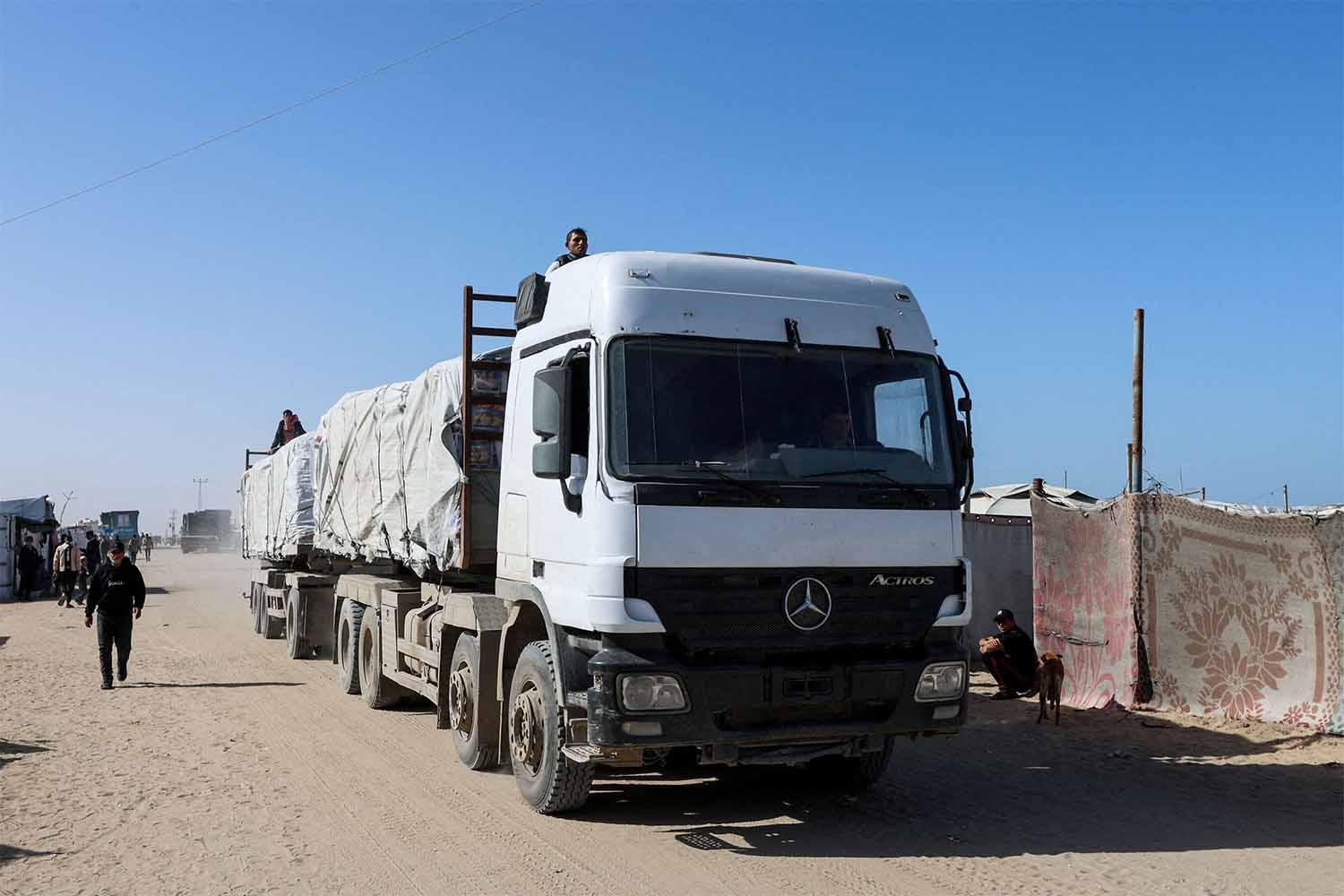
GENEVA - A key aid crossing that had been momentarily closed into Gaza will reopen imminently, the United Nations World Food Programme said on Tuesday.
Humanitarian supplies will be able to enter through the Kerem Shalom crossing into the enclave between Tuesday and Wednesday, the WFP said.
"That is timely for us, and we need to get in aid as fast as we can," Samer Abdel Jaber, WFP Regional Director for the Middle East, North Africa, and Eastern Europe, told reporters in Geneva via video link from Cairo.
Israeli government agency COGAT said it will reopen the Kerem Shalom crossing starting on Tuesday for the gradual entry of humanitarian aid into the Gaza Strip.
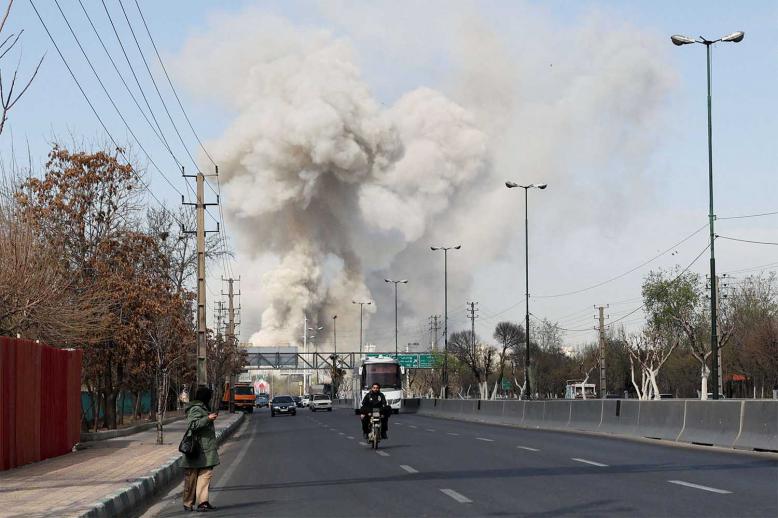
COGAT said on Saturday that crossings into the Gaza Strip, vital for the delivery of humanitarian aid and the movement of patients in need of medical evacuation, were closed as Israeli and US forces attacked Iran.
The WFP emphasized the urgency of the reopening, noting that Gaza's population relies heavily on external supplies due to widespread destruction of local infrastructure, collapsed markets, and limited domestic production capacity. Without steady inflows, food stocks deplete rapidly, markets empty, and prices for remaining essentials skyrocket beyond reach for most families.
The dire humanitarian reality in Gaza
The humanitarian crisis in Gaza remains acute, with the WFP and other agencies warning of severe food insecurity affecting the majority of the population.
According to the latest Integrated Food Security Phase Classification (IPC), at least 1.6 million people — or 77% of Gaza's population — face high levels of acute food insecurity. Over 100,000 children and 37,000 pregnant and breastfeeding women are projected to suffer acute malnutrition through April 2026.
WFP operations have expanded significantly, reaching more than 1 million people monthly with food parcels, bread bundles, hot meals, and school feeding programs. For the first time since the war's onset, full rations (including wheat flour and food boxes) are being delivered to over 1 million individuals.
Despite these efforts, the scale remains inadequate: triple the current food volume — over 135 million pounds monthly — is needed to meet basic needs across the entire population.
Fuel shortages, essential for cooking, water pumping, and hospital generators, have reached critical levels during closures, with stocks potentially lasting only days without resupply.
The temporary suspension of crossings over the weekend risked halting bakery operations, kitchen production (supporting nearly 1 million meals daily), and distributions to health facilities. Aid organizations, including the World Central Kitchen, have warned of imminent exhaustion of supplies without reopened access.