


A shift from being confrontational to being collaborative?
Houthis keeps finger on trigger as region watches for next move
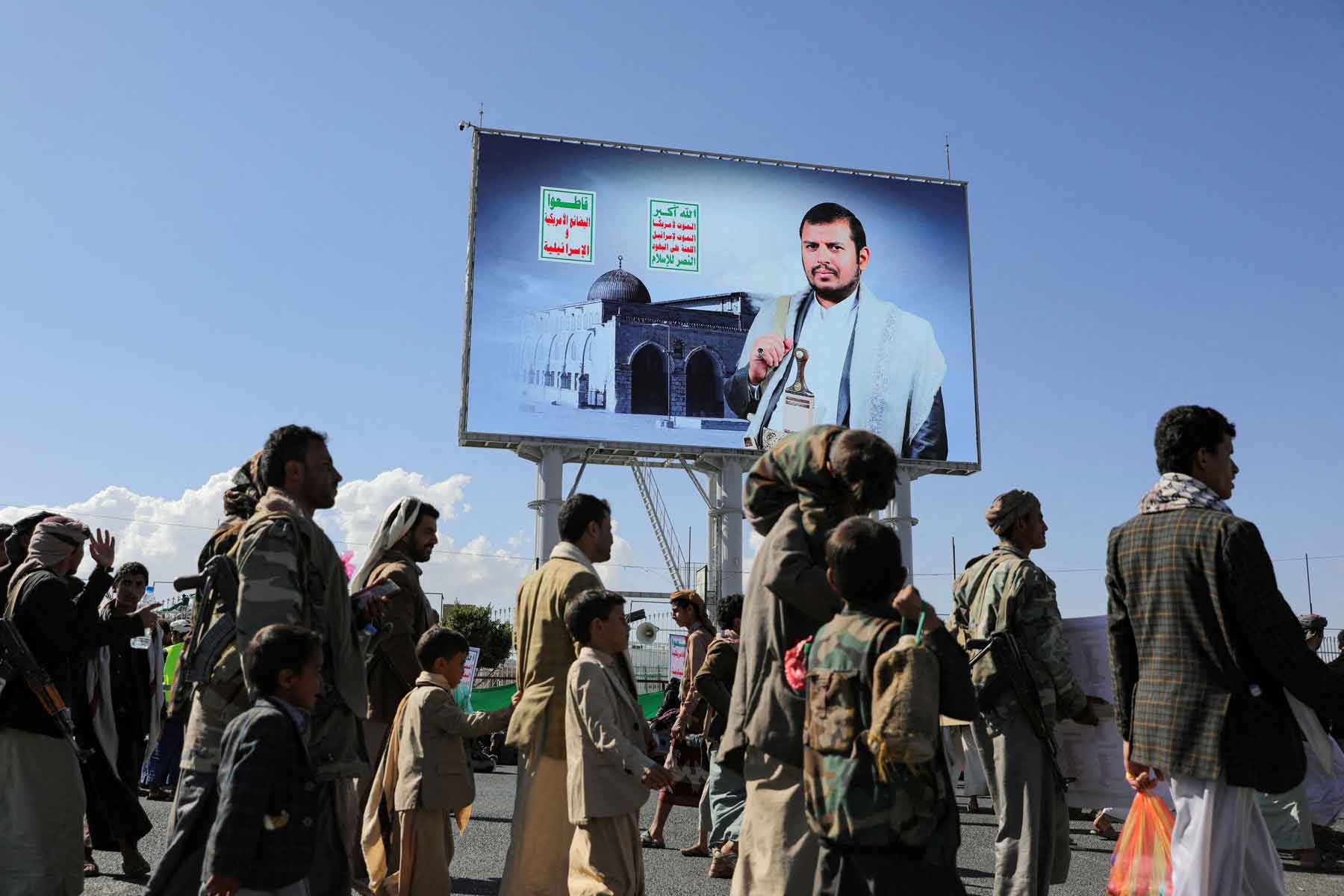
In a televised address, Abdul Malik al-Houthi said the movement was closely monitoring developments and stood prepared to act if necessary.
Friday 06/03/2026
A shift from being confrontational to being collaborative?
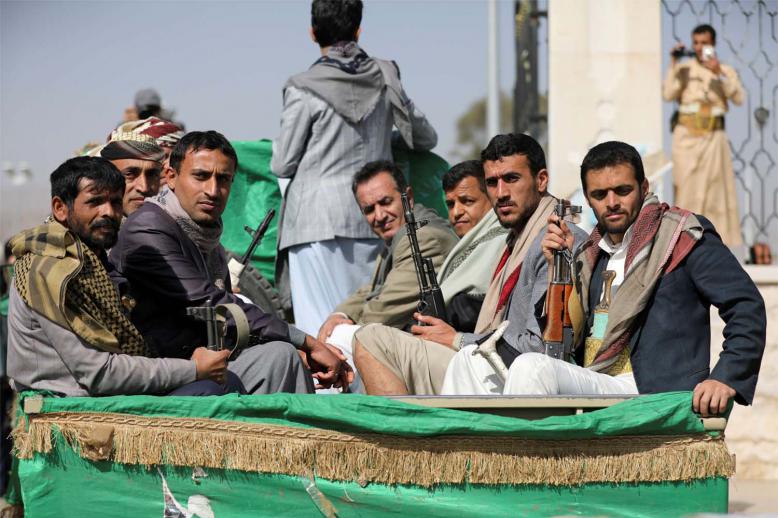
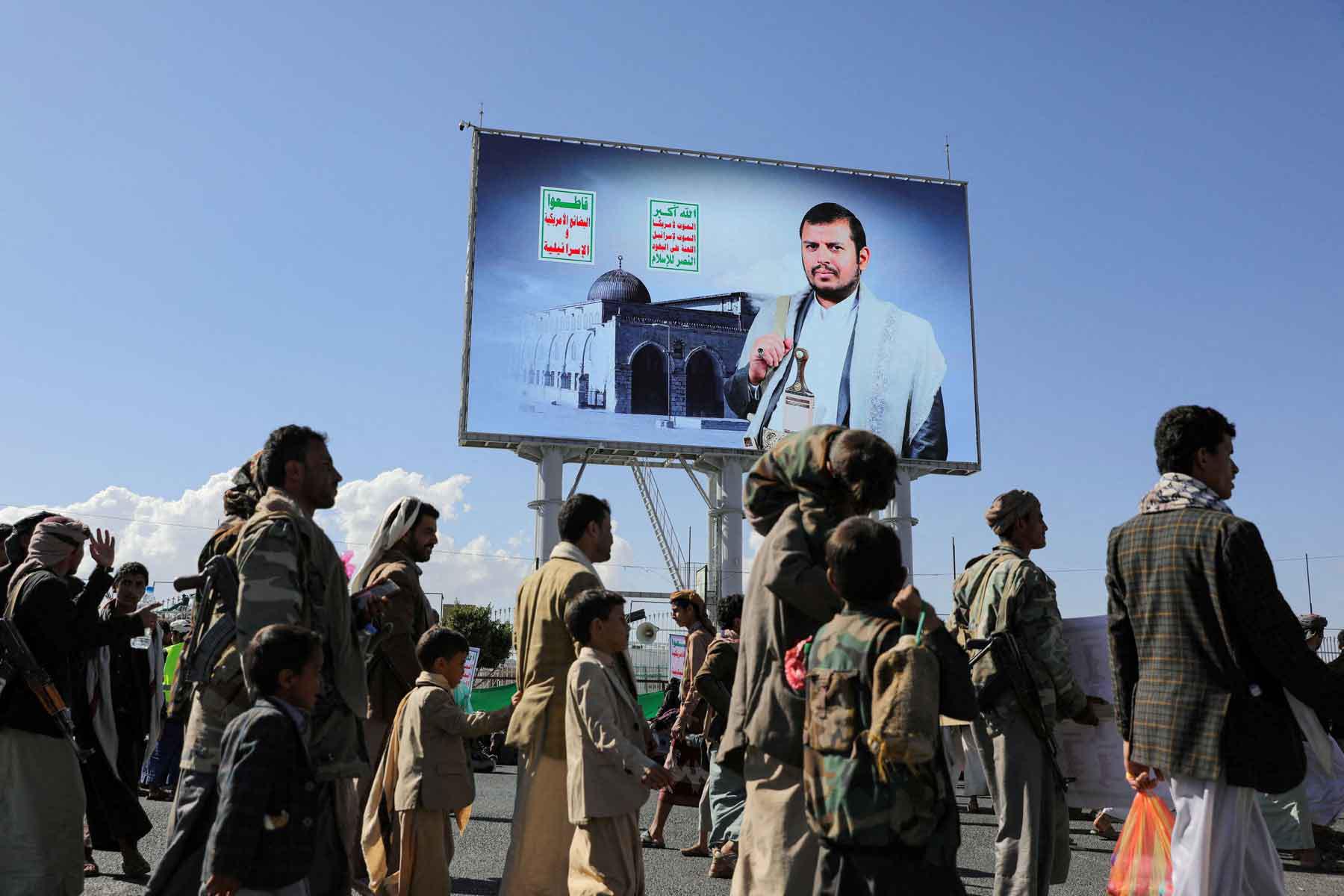
SANAA – Yemen’s Iran-backed Houthi movement signalled it was ready to enter the widening Middle East conflict on Thursday, with its leader warning the group could strike “at any moment” as the US-Israeli military campaign against Iran entered its sixth day.
In a televised address, Abdul Malik al-Houthi said the movement was closely monitoring developments and stood prepared to act if necessary.
“Regarding military escalation and action, our fingers are on the trigger, ready to respond at any moment should developments warrant it,” he said.
The statement raised fresh questions about whether the Houthis, formally known as Ansar Allah, could open another front in a conflict that has already spread across the region.
Surprise in Israel over Houthi restraint
Despite the threat, Israeli military officials say the group’s relative silence since the war began has been unexpected.
Sources in the Israel Defence Forces said many in the Israeli security establishment had anticipated that the Houthis would launch attacks once Iran’s former supreme leader Ali Khamenei was assassinated in the opening phase of the US-Israeli strikes.
Others expected the Yemeni group to join the fight when Hezbollah entered the war earlier this week by firing rockets and drones at Israel.
So far, however, the Houthis have not directly attacked Israel during the current conflict, prompting speculation among Israeli defence officials about the reasons for their restraint.
One theory circulating in security circles is that the group may be hesitant because the United States is now directly involved in the war. Another possibility is that the Houthis believe Iran has been weakened too severely to offer meaningful support.
Still, Israeli officials say the group could yet decide to intervene.
The Houthis remained active longer than any of Iran’s regional allies during the 2023–2025 Gaza conflict, continuing to launch attacks until a permanent ceasefire between Israel and Hamas was reached in October 2025.
A powerful but cautious proxy
The Houthis have controlled large swathes of northern and western Yemen, including the capital Sanaa, since 2014.
Their takeover triggered a military intervention in 2015 by a Saudi-led coalition backing Yemen’s internationally recognised government, plunging the country into a war that, according to the United Nations, has killed more than 150,000 people.
A ceasefire agreed in 2022 largely halted major fighting but left Yemen divided between rival authorities.
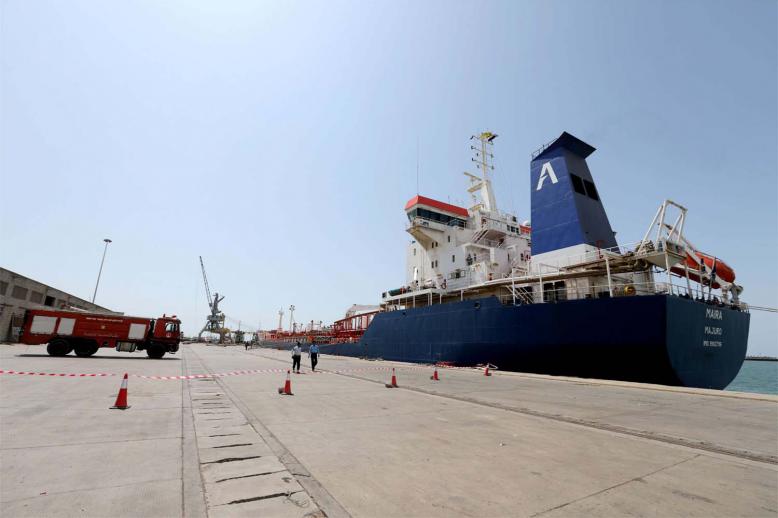
The group also emerged as a major regional actor during the Gaza war after late 2023, threatening merchant vessels in the Red Sea and the Gulf of Aden, two of the world’s most critical maritime trade routes.
The Houthis also attempted missile and drone strikes against Israel, saying the attacks were meant to show solidarity with Palestinians in Gaza and pressure Israel and its allies. The United States, Britain and Israel responded with repeated air strikes on Houthi targets inside Yemen.
Behind the scenes, the Houthis have reportedly been seeking to reopen negotiations with Saudi Arabia over Yemen’s future, raising the possibility that the group is trying to shift towards a more pragmatic political strategy.
According to observers, they are showing indications that they want to shift from being confrontational to being collaborative and stopping the violence in Yemen.
However, that calculation could change quickly if Israel were to attack Houthi positions.
Despite extensive US air strikes last year that destroyed many of their military installations, analysts believe the Houthis still retain the capacity to launch drone and missile attacks.
The outcome of the war with Iran could ultimately reshape the Houthis’ future.
The group relies heavily on Tehran for funding, weapons and ideological backing. If the Iranian regime were significantly weakened or overthrown, analysts say the entire network of Iran-aligned militias across the region could be affected.
With reduced support from Tehran, the Houthis may eventually be forced to negotiate a broader political settlement to secure their position in Yemen.
For now, though, the group appears to be keeping its options open, signalling readiness for war while carefully weighing the risks of entering an already expanding regional conflict.