

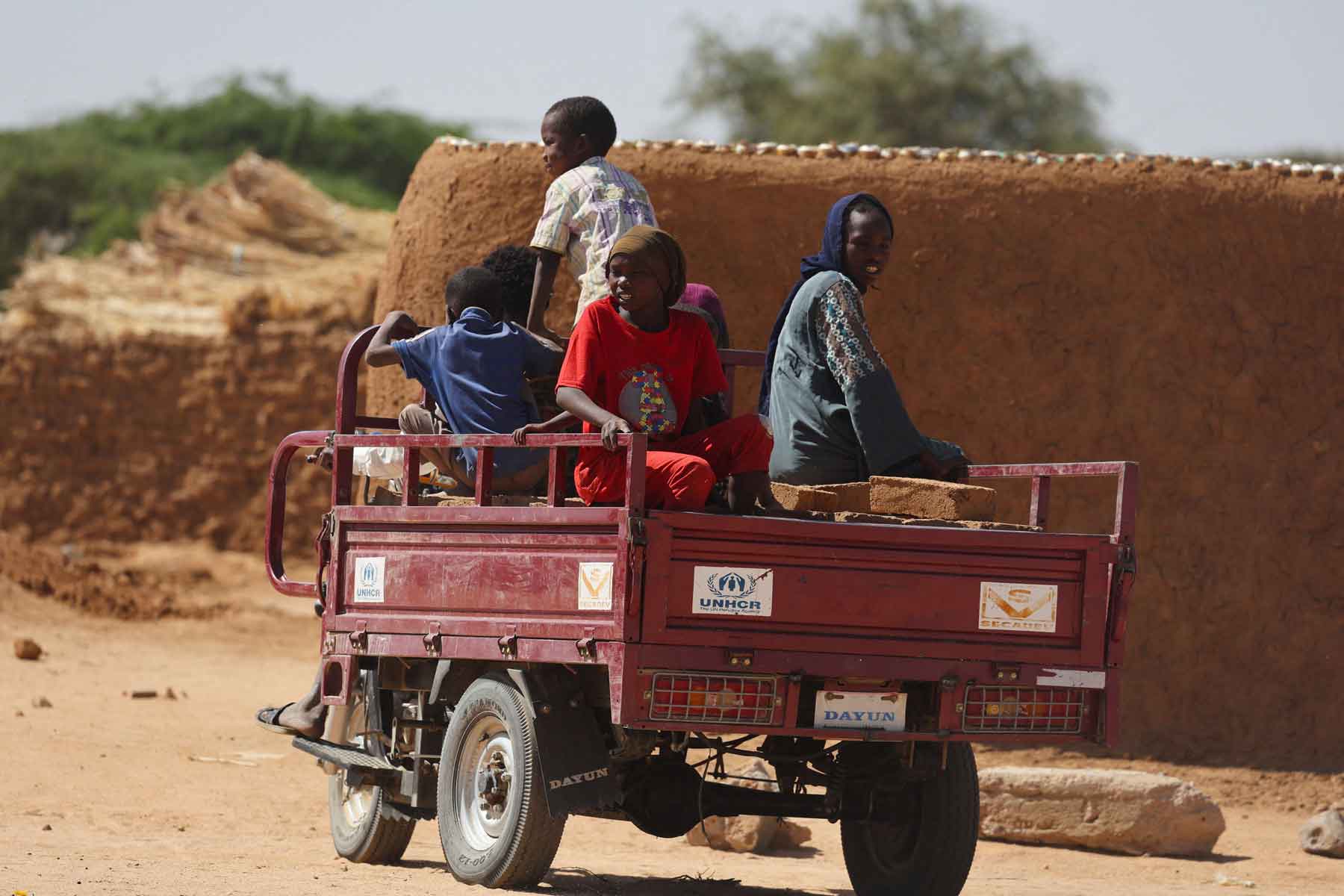
Those paying the price are civilians
US to designate Sudan's Muslim Brotherhood as terrorist organisation
Sudan’s Brotherhood is said to have contributed more than 20,000 fighters to Sudan’s conflict, many of whom reportedly received training and support from Iran’s Guard Corps.
Monday 09/03/2026
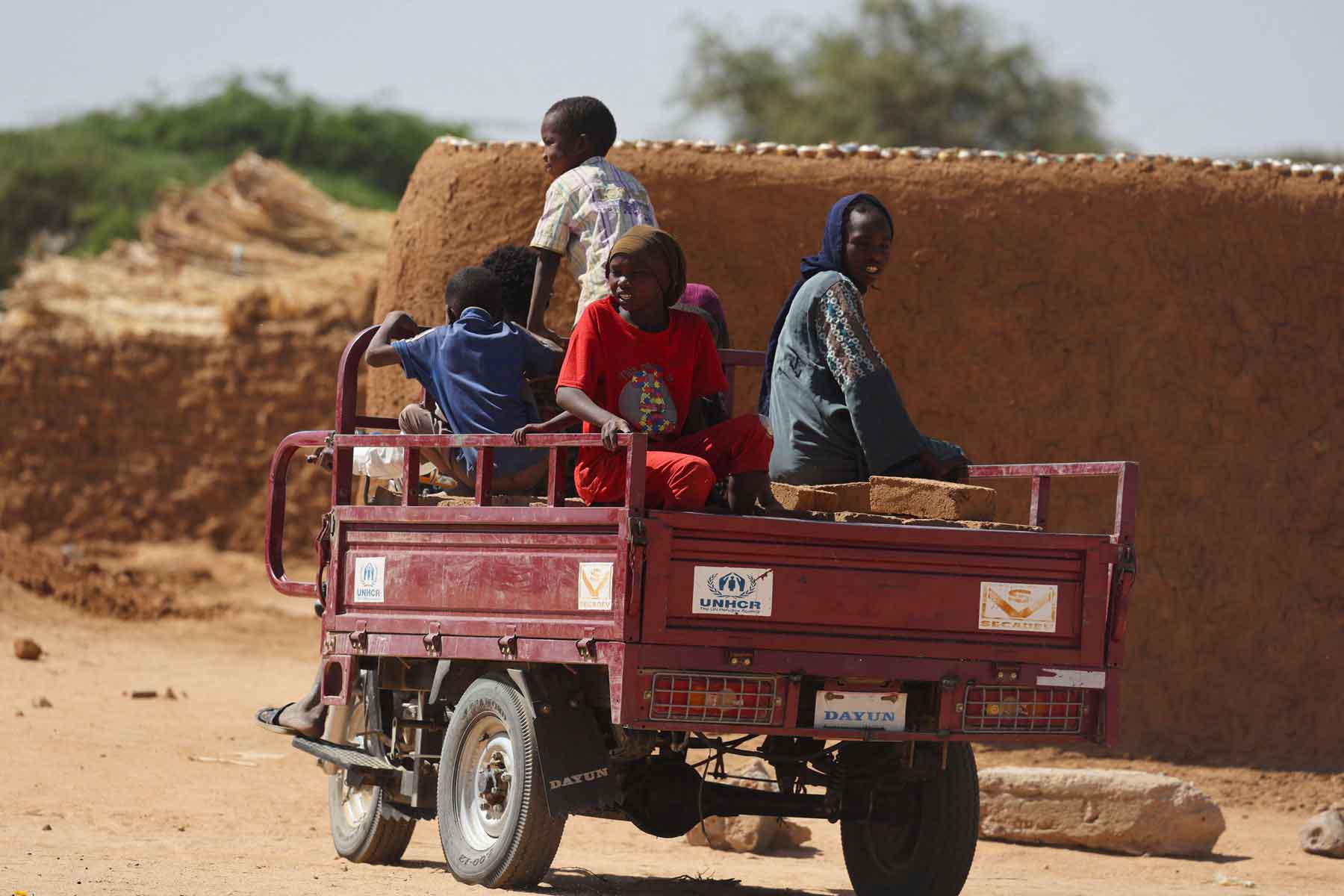
Those paying the price are civilians
RIYADH/WASHINGTON – The Trump administration on Monday announced the designation of the Sudanese Muslim Brotherhood as a Specially Designated Global Terrorist entity, with plans to formally list it as a foreign terrorist organisation from March 16. The move comes amid heightened scrutiny of the group’s role in Sudan’s ongoing civil war and its growing influence across the region.
According to the US State Department, the Sudanese Muslim Brotherhood comprises the Sudanese Islamic Movement and its armed wing, the al-Baraa Bin Malik Brigade, which has been accused of carrying out mass executions of civilians in territories under its control.
Sudan’s Brotherhood is said to have contributed more than 20,000 fighters to Sudan’s conflict, many of whom reportedly received training and support from Iran’s Islamic Revolutionary Guard Corps.
“The Sudanese Muslim Brotherhood uses unrestrained violence against civilians to undermine efforts to resolve the conflict in Sudan and advance its violent Islamist ideology,” the State Department said in a statement.
The Treasury Department previously sanctioned the al-Baraa Bin Malik Brigade in September 2025 under Executive Order 14098 for its role in destabilising Sudan and undermining democratic transition efforts. Monday’s announcement extends those measures to the wider Sudan’s Muslim Brotherhood, blocking all property and interests in the US or controlled by US persons, and prohibiting business dealings with the group.
Violations could trigger not only domestic penalties but also secondary sanctions, signalling Washington’s intent to isolate the group financially and politically. “Persons that engage in certain transactions or activities with the Sudanese Muslim Brotherhood may expose themselves to sanctions risk,” the Department warned.
The designation comes after a February study by the New York-based Gatestone Institute for Strategic Studies highlighted the Brotherhood’s obstruction of peace initiatives, including the rejection of a US-backed humanitarian truce during Ramadan. US officials have accused Sudan’s Muslim Brotherhood, together with remnants of the ousted Bashir regime, of exacerbating the conflict between Sudan’s army and the paramilitary Rapid Support Forces.
Observers note that Washington had previously designated smaller Brotherhood branches in other countries, such as Lebanon, Egypt, and Jordan, but had held off on taking action against Sudan’s branch despite its significant military and political clout.
Analysts suggest this reflects both the Sudan’s Muslim Brotherhood’s adeptness at political manoeuvring and a pattern of selective US policy toward Islamist movements.
Sudan’s conflict, which reignited in April 2023, has claimed an estimated 40,000 lives and displaced more than 12 million people. Entire communities have been uprooted, with widespread famine affecting millions across the country, according to the World Health Organization.
Civil society groups have repeatedly called for international action to curb the Brotherhood’s influence, warning that impunity for Sudan’s Muslim Brotherhood prolongs violence and obstructs meaningful peace efforts. Reports also cite attacks on religious minorities and alleged use of chemical weapons by Sudanese forces, though independent verification remains limited.
The entrenched influence of the Brotherhoodwithin state institutions, including military bodies, poses risks not only to Sudan but to broader regional stability, particularly across northeast Africa and the Red Sea corridor, a critical trade route for global commerce. The US study concludes that formal terrorist designation is “a necessary step to protect US interests and reduce regional risks.”
With Sudan’s Muslim Brotherhood now officially in Washington’s crosshairs, analysts anticipate tighter financial and political restrictions on the group, potentially reshaping power dynamics in Sudan and exerting pressure on Iran-linked networks operating in the region.