



Once defiant, always defiant
Iran’s Guards escalate rhetoric, vow wider strikes, oil blockade
The commander of the IRGC Aerospace Force said the force and frequency of Iranian missile launches would increase and that their range would expand.
Tuesday 10/03/2026
Once defiant, always defiant
DUBAI – Iran’s Revolutionary Guards said they would “determine the end of the war” and warned that Tehran would not allow “one litre of oil” to be exported from the region if US and Israeli attacks continue, state media reported on Tuesday, signalling an escalation in rhetoric from the country’s powerful military force.
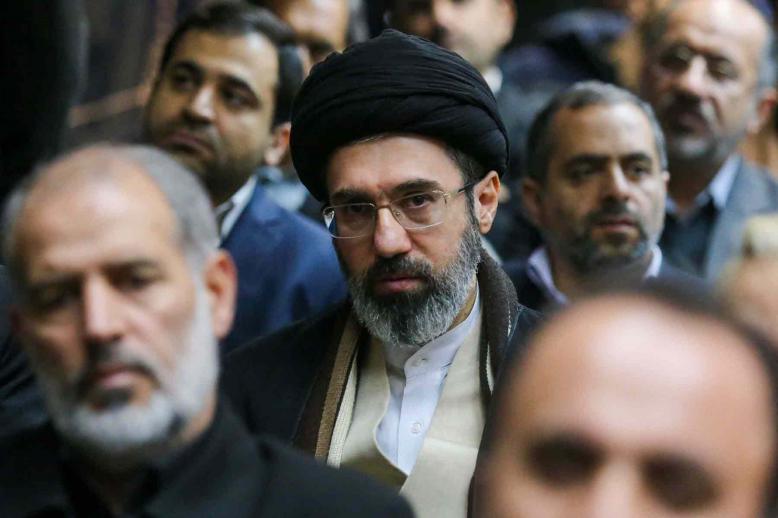
The statement, delivered by a spokesperson for the Islamic Revolutionary Guard Corps (IRGC), came as US President Donald Trump predicted the war in the Middle East could be over soon, even as Iran’s hardline factions staged a show of loyalty to the country’s new Supreme Leader Mojtaba Khamenei.
The threat to block energy exports from the Gulf raises the prospect of further disruption to global oil markets already shaken by the conflict, which has effectively halted shipping and energy exports through the Strait of Hormuz.
The narrow waterway, located between Iran and Oman, carries roughly a fifth of global oil and liquefied natural gas flows and is one of the world’s most strategically important maritime chokepoints.
Hundreds of vessels have remained anchored on both sides of the strait as shipping companies and traders watch closely for signs that navigation through the corridor might resume. The standstill has already sent shockwaves through energy markets and heightened fears of prolonged supply disruptions.
In a separate statement carried by Iranian state media, the Revolutionary Guards said that any Arab or European country that expels the ambassadors of Israel and the United States from its territory would have full authority and freedom to pass through the Strait of Hormuz.
The comments underscored Tehran’s attempt to use the strategic waterway as leverage as the regional confrontation intensifies.
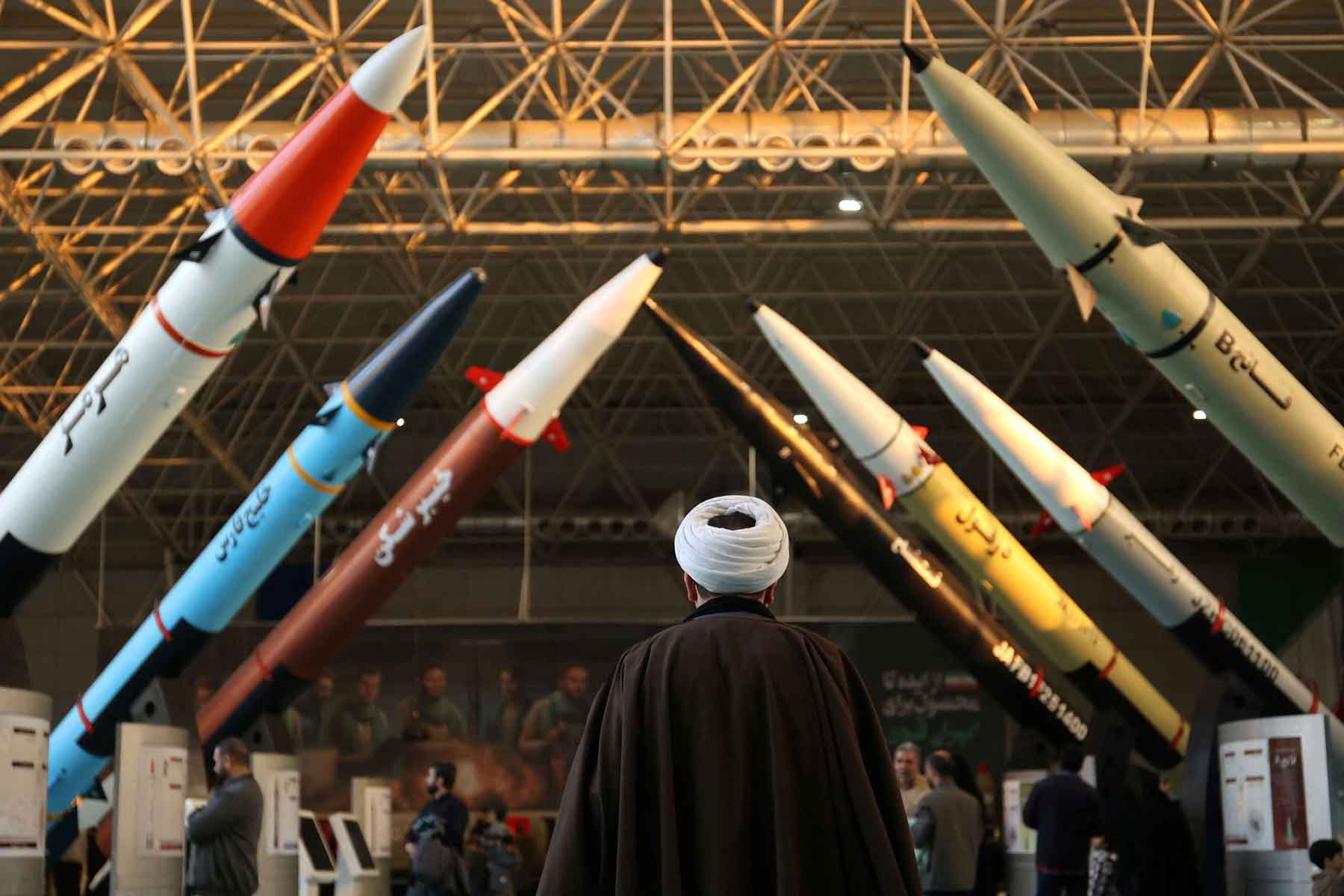
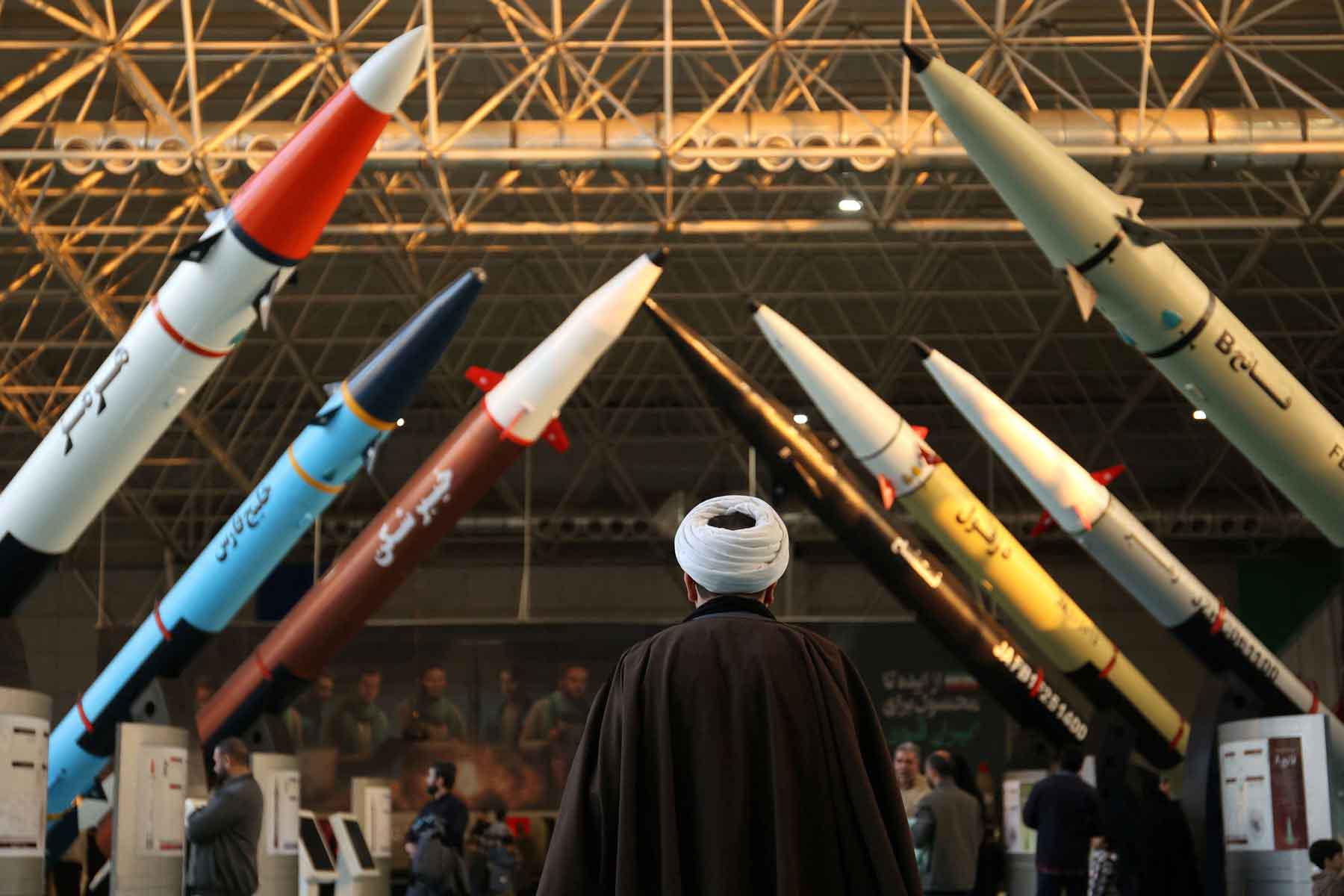
At the same time, Iran signalled that its military campaign could escalate further. The commander of the IRGC Aerospace Force said the force and frequency of Iranian missile launches would increase and that their range would expand.
“From now on, no missiles will be launched with warheads lighter than one tonne,” Majid Mousavi said, according to state media.
The warning suggests that Iran could intensify its missile campaign as the conflict continues, potentially widening the scope and destructive power of future strikes.
Despite the increasingly combative tone from Iran’s military leadership, officials in Tehran indicated that diplomatic contacts were under way regarding a possible ceasefire.
Deputy Foreign Minister Kazem Gharibabadi said that several countries, including China, Russia and France, had contacted Tehran about the possibility of halting the fighting, according to Iranian state television.
However, Gharibabadi said Iran’s first condition for any potential ceasefire would be an end to what it described as aggression against the country.
The competing signals, escalatory threats from the Revolutionary Guards alongside diplomatic outreach through foreign channels, reflect the complex balancing act facing Tehran as it navigates mounting military pressure while seeking to maintain leverage in any eventual negotiations.