



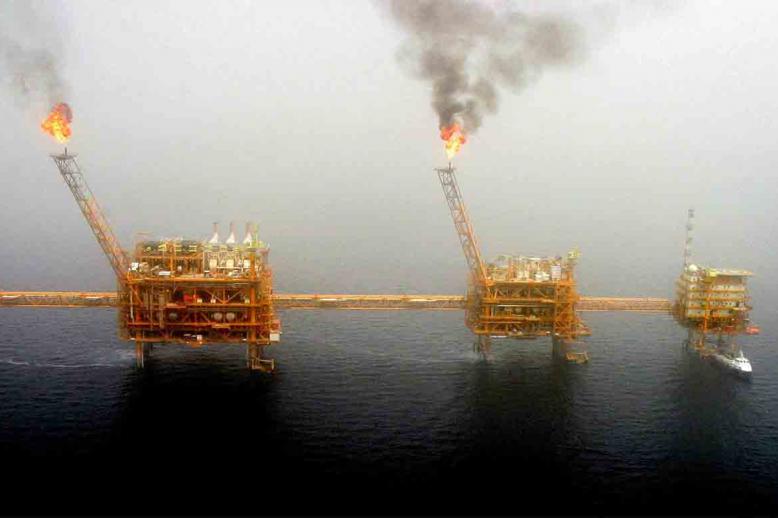
Saudi Arabia has lowered its oil output by 2 million to 2.5 million bpd
Middle East countries cut daily oil output amid Iran war
Bloomberg News reports Saudi Arabia, the UAE, Kuwait and Iraq have begun slashing their daily oil output as storage facilities fill up due to the near-total blockage of the Strait of Hormuz.
Tuesday 10/03/2026
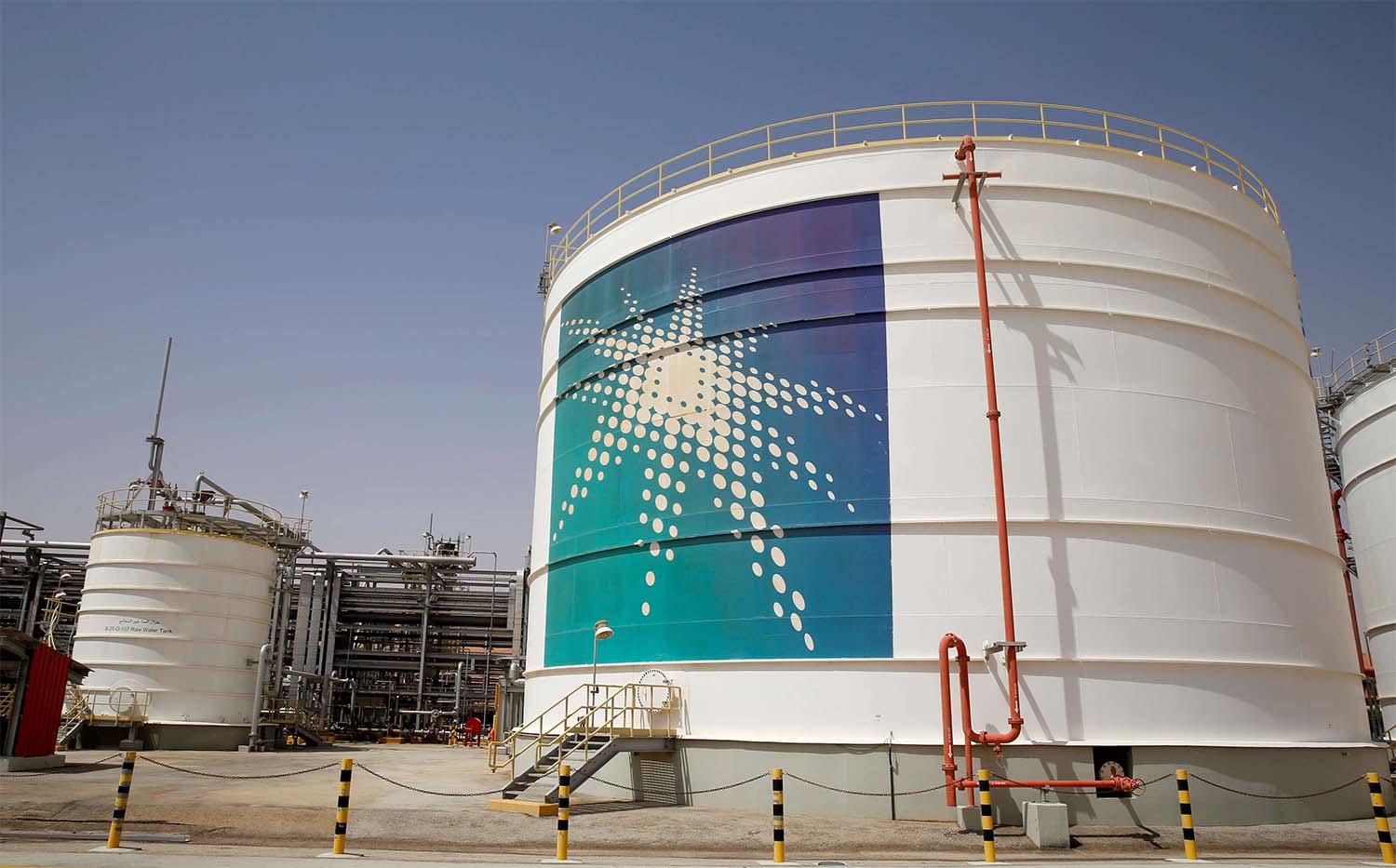
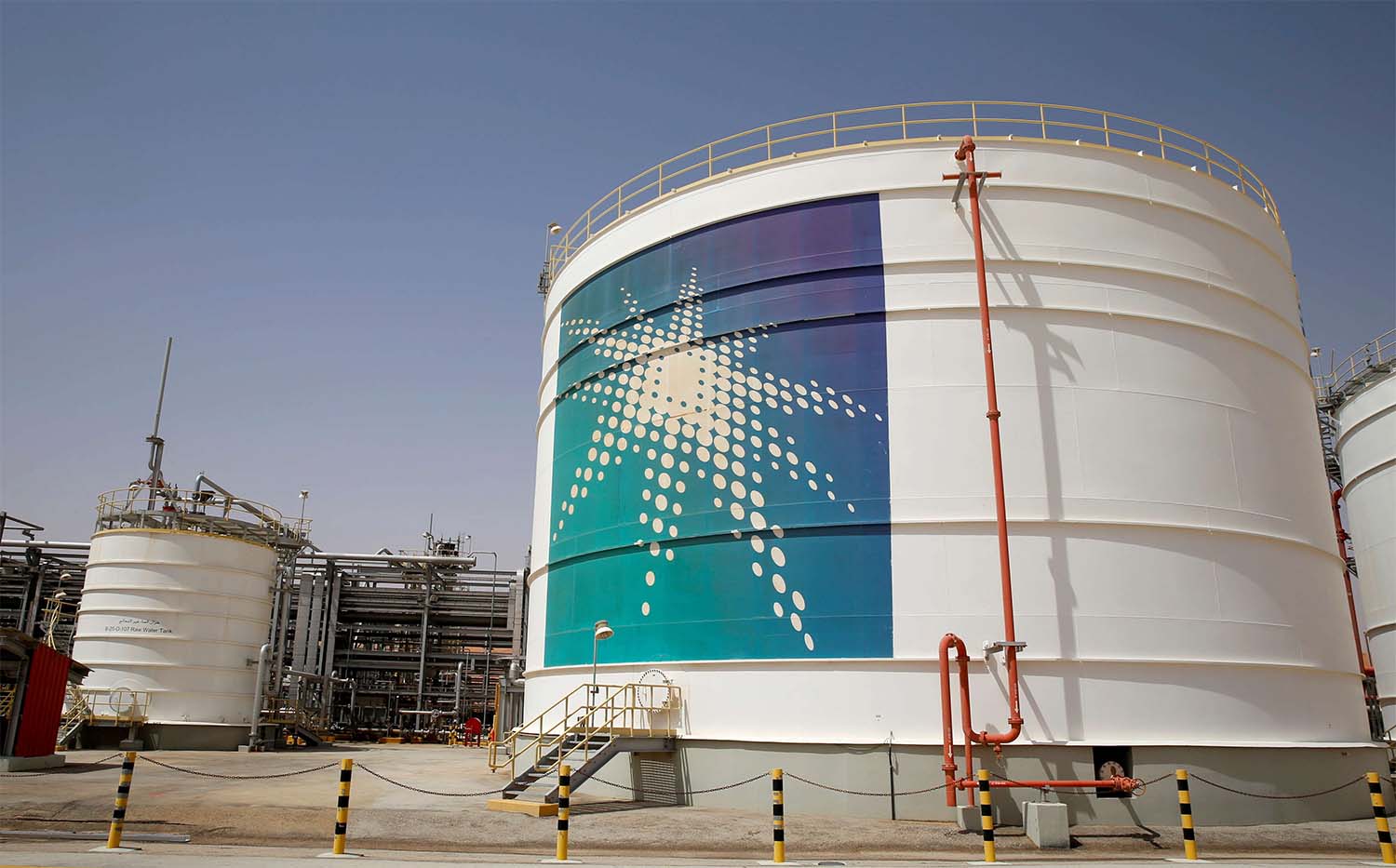
Saudi Arabia has lowered its oil output by 2 million to 2.5 million bpd
LONDON - Several key Middle East oil producers have begun slashing their daily oil output as storage facilities fill up due to the near-total blockage of the Strait of Hormuz in a dramatic escalation of the energy crisis triggered by the ongoing war with Iran.
Bloomberg News reported that Saudi Arabia, the world's largest oil exporter, has initiated production cuts following similar moves by the United Arab Emirates (UAE), Kuwait, and Iraq.
Saudi Arabia has lowered oil output by between 2 million and 2.5 million barrels a day, and the UAE has cut its output by 500,00-800,000 barrels a day.
Kuwait has also cut output by half a million barrels a day, and Iraq by about 2.9 million, the report added, citing people with knowledge of the matter.
This development has sent global oil prices soaring past $100 per barrel, exacerbating market volatility and raising fears of a prolonged supply disruption.
The Strait of Hormuz, a critical chokepoint through which about a fifth of the world's oil passes, has been effectively shut down amid Iranian threats and military actions against shipping. This has left Gulf nations scrambling to manage overflowing storage tanks, forcing unprecedented output reductions to prevent complete shutdowns of oil fields.
Saudi Arabia started reducing production on Monday, with analysts estimating the kingdom's larger storage capacity allowed it to delay cuts compared to its neighbors. The UAE's Abu Dhabi National Oil Co. (Adnoc) announced it is managing offshore production levels to address storage constraints, utilizing alternative export routes like the Fujairah pipeline to bypass the strait. Kuwait began cutbacks with an initial reduction of about 100,000 barrels per day (bpd), expected to nearly triple, affecting both fields and refineries.
Iraq, meanwhile, has seen its output plummet by approximately 60%, or around 2.7 million bpd, due to export constraints from southern ports reliant on the strait. These cuts represent a significant portion of global supply, with the affected countries collectively producing over 15 million bpd under normal conditions.
The reductions stem directly from the US-Israeli war against Iran, which has intensified over the past week, leading to attacks on vessels and a virtual halt in Hormuz transits. Oil producers face a "tense countdown" as tanks fill rapidly, with no immediate resolution in sight. QatarEnergy has also halted LNG operations, impacting about 20% of global supply, further compounding energy market turmoil.
The cuts have propelled Brent crude prices close to $120 per barrel, with a 15% surge in a single day, stoking inflation fears and triggering selloffs in global markets. US Treasury yields rose, and stock futures fell as investors braced for deeper chaos. Analysts warn of potential long-term disruptions if the conflict persists, potentially leading to supply curtailments across the region.