

Caine: The US had struck more than 5,000 targets
Top US general says Iran ‘not more formidable’ than expected
Iranian security chief Ali Larijani said the Strait of Hormuz “will either be a strait of peace and prosperity for all or a strait of defeat and suffering for ‘warmongers’.”
Tuesday 10/03/2026

Caine: The US had struck more than 5,000 targets
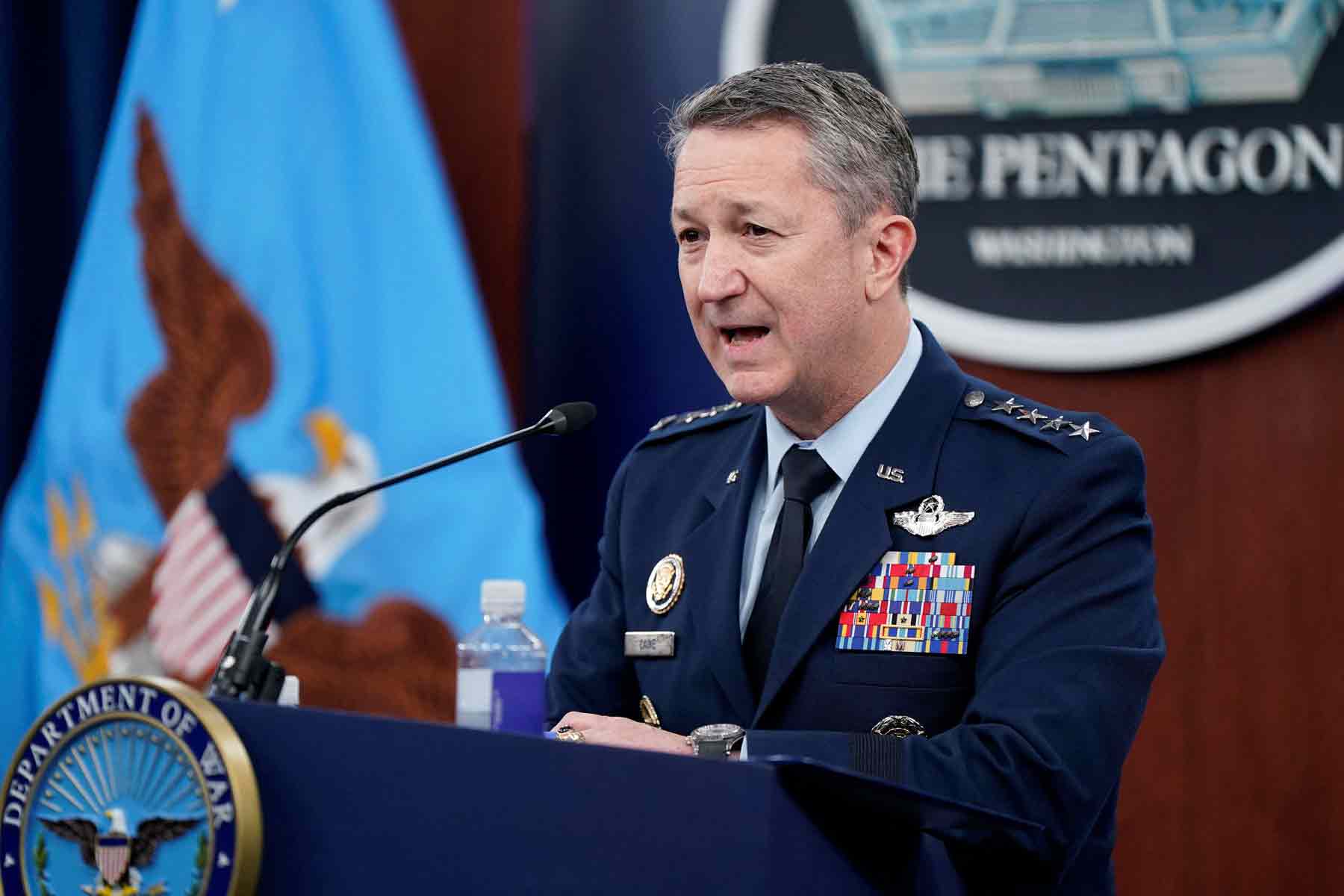
WASHINGTON – The United States prepared for its most intense day of strikes against Iran so far on Tuesday, as the top US general said Tehran’s forces were not more formidable than Washington had anticipated.
General Dan Caine, chairman of the Joint Chiefs of Staff, told reporters that the US was carrying out strikes against Iranian mine-laying vessels. He added that the Pentagon would consider a range of options if tasked with escorting ships through the Strait of Hormuz, a critical chokepoint for global oil and liquefied natural gas transport.
“The war has effectively shut the Strait of Hormuz, leaving tankers unable to sail for more than a week and forcing producers to halt pumping as storage fills,” Caine said.
“I think they’re fighting, and I respect that, but I don’t think they’re more formidable than what we thought.”
US President Donald Trump on Monday threatened to escalate the war with Iran if it blocked oil shipments from the Middle East, while predicting a quick end to the conflict.
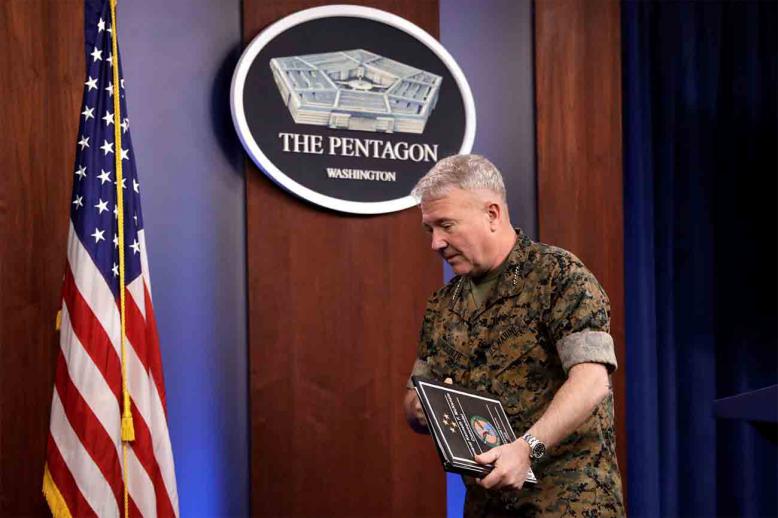
During a Pentagon news conference, US Defence Secretary Pete Hegseth said the United States would carry out the most intense day of strikes against Iran on Tuesday.
Hegseth emphasised that this would not be an endless war, and that Trump would decide when the campaign would conclude.
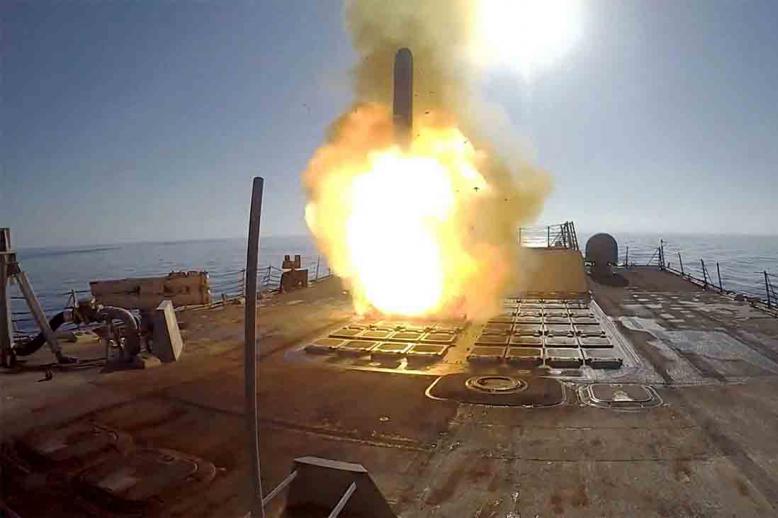
Caine added that in the first ten days of the campaign, the United States had struck more than 5,000 targets, including over 50 naval ships.
Meanwhile, Iran has continued to issue stark warnings. Iranian security chief Ali Larijani said in a post on X on Tuesday that the Strait of Hormuz “will either be a strait of peace and prosperity for all or a strait of defeat and suffering for ‘warmongers’.”
The vital oil transit route has been all-but shut since vessels in the area were hit by Iranian strikes following US and Israeli attacks on the Islamic Republic. Tehran has threatened to block the narrow waterway in response to any attack, heightening concerns over disruptions to global energy supplies.