



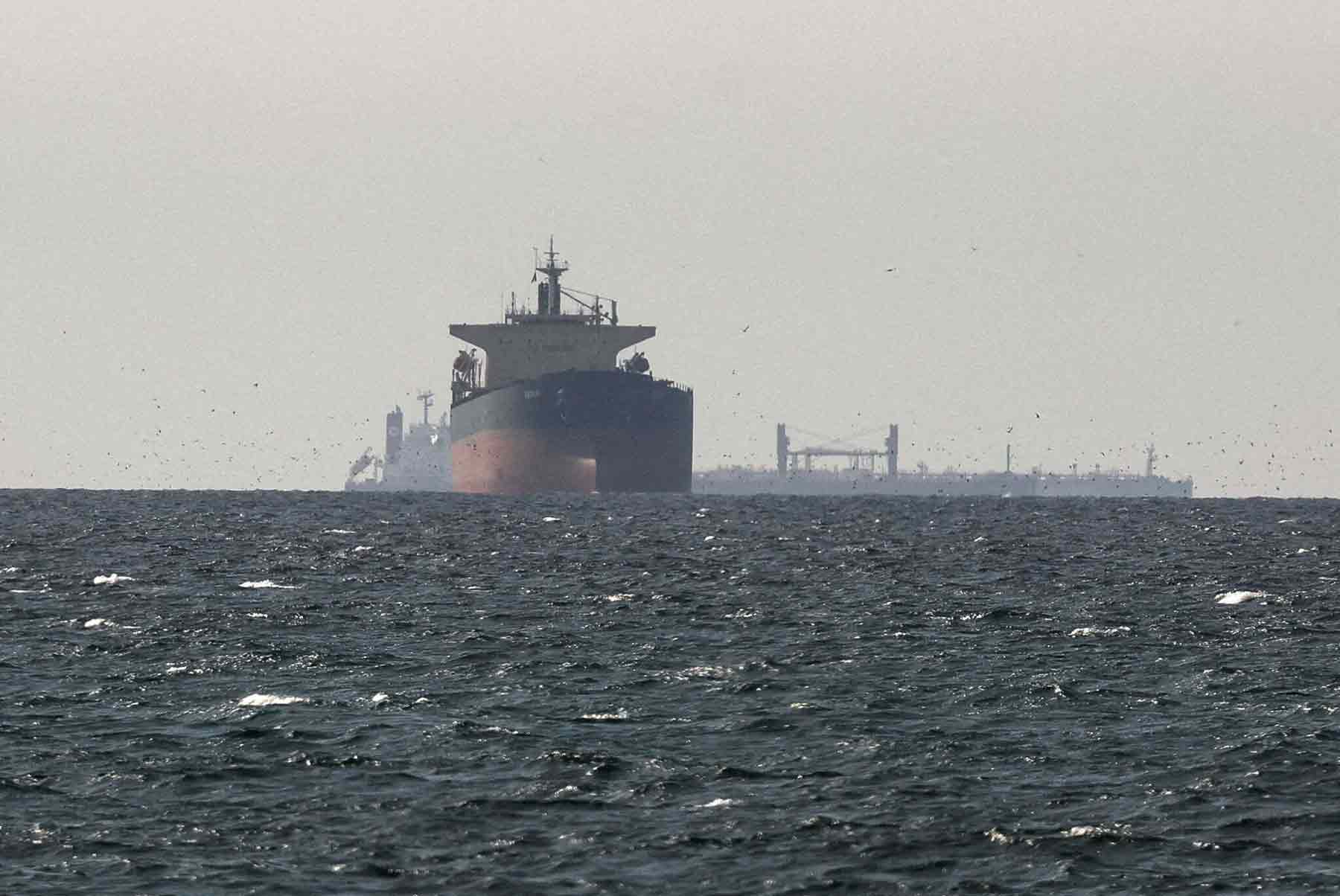
Attacks raise alarm over Gulf shipping lanes
Sea drones, naval mines deepen energy shipping crisis in Gulf
Sea drones can carry significantly larger explosive payloads than aerial drones, potentially approaching the destructive power of ballistic missiles.
Thursday 12/03/2026
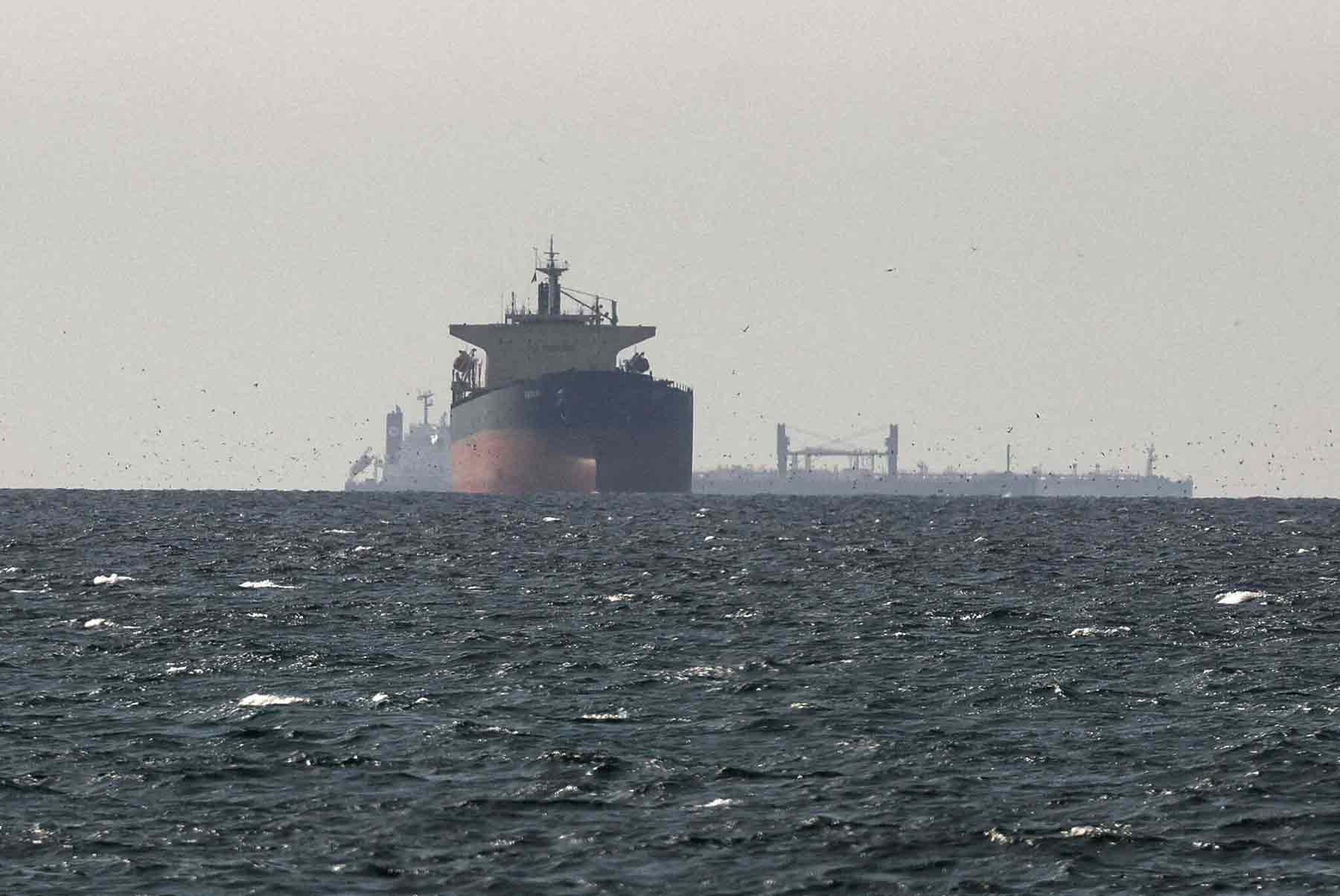
Attacks raise alarm over Gulf shipping lanes
LONDON/WASHINGTON – Naval drones have been used in at least two attacks on oil tankers in the Gulf region since war erupted between the United States, Israel and Iran, according to maritime authorities and analysts, highlighting a dangerous new threat to shipping in one of the world’s most vital energy corridors.
The emergence of explosive-laden unmanned surface vessels, a technology used with devastating effect by Ukraine in its war with Russia, comes as Iran threatens to block oil shipments transiting the Strait of Hormuz, the strategic chokepoint through which roughly one-fifth of the world’s oil flows.
At the same time, two sources familiar with the matter said Iran has deployed about a dozen naval mines in the strait, a move that could further complicate efforts to reopen the narrow waterway as hostilities between Washington, Tel Aviv and Tehran intensify.
Exports of oil and liquefied natural gas through the strategic channel along Iran’s coast have effectively been halted by the war launched 12 days ago by the United States and Israel, helping to drive a surge in global energy prices.
Iran’s military command said on Wednesday that the world should prepare for oil prices to reach $200 a barrel.
Sea drones
The first sea-based drone attack was reported on March 1, when the crude oil tanker MKD VYOM was struck about 44 nautical miles off the coast of Oman, killing one crew member, according to Britain’s maritime security authorities.
The United Kingdom Maritime Trade Operations (UKMTO) agency said in a public advisory that an unmanned surface vessel hit the Marshall Islands-flagged tanker just above the waterline, triggering an explosion and fire in the engine room.
Days later, another vessel was struck while anchored near Iraq.
A small craft hit the Bahamas-flagged crude oil tanker Sonangol Namibe near Iraq’s Khor al Zubair port, according to US representative company Sonangol Marine Services.
The company said its 23 crew members were safe, declining to comment on the nature of the vessel involved because of an ongoing investigation.
Video footage of the attack circulating online shows a small speedboat-shaped object racing toward the side of the ship before slamming into it and detonating, sending thick plumes of smoke into the air.
According to two UK-based maritime specialists, Sidharth Kaushal of the Royal United Services Institute and Robert Peters of maritime security firm Ambrey, the craft visible in the footage appears to be a naval drone designed to explode on impact.
Peters said he believes Iran was responsible for the attack on the Sonangol Namibe, noting that Tehran has previously showcased naval drone technology during military displays.
He also pointed to the timing of the strike, which occurred a day after Iran’s Islamic Revolutionary Guard Corps (IRGC) said it had attacked an American oil tanker in the northern Persian Gulf and set it ablaze, according to Iran’s semi-official Mehr news agency.
The IRGC said “missiles” were used in that attack.
Reuters was unable to independently determine who carried out the two tanker attacks. Iran’s mission to the United Nations in New York did not immediately respond to requests for comment.
If Tehran’s involvement is confirmed, it would mark the first known instance of Iran directly using naval drones to attack commercial shipping, Peters said.
Iran-aligned Houthi militants in Yemen have previously used drone boats against merchant vessels in the Red Sea.
Peters noted that sea drones may represent an especially dangerous new weapon for maritime warfare.
“While aerial drones can kill crew members from above, sea drones can immobilise ships if they hit the right place,” he said. “If your ship is immobilised, if they want to follow up you are highly vulnerable.”
He added that sea drones can carry significantly larger explosive payloads than aerial drones, potentially approaching the destructive power of ballistic missiles.
Naval mines
At the same time, Iran appears to have taken additional steps to disrupt shipping in the Gulf by deploying naval mines in the Strait of Hormuz.
Two sources familiar with the matter said Tehran had placed around a dozen mines in the waterway in recent days, though most of their locations were known.
The sources declined to say how the United States planned to deal with the mines.
CNN first reported the mining of the strait earlier this week.
Iran has long warned it could retaliate against military attacks by mining the strategic passage, which normally handles around 20 percent of global oil and liquefied natural gas shipments.
Tehran’s ability to disrupt the route gives it considerable leverage over global energy markets and over the United States and its allies.
The US military says it has already targeted Iranian vessels suspected of laying mines, destroying 16 mine-laying boats on Tuesday.
Despite the growing threat, the US Navy has so far declined requests from the shipping industry to escort commercial vessels through the strait.
US President Donald Trump on Tuesday demanded that Iran immediately remove any mines deployed in the waterway, warning that Tehran would face unspecified military consequences if it failed to do so.
With tanker traffic effectively frozen and energy markets already rattled by the conflict, analysts say the combined use of naval mines and drone boats signals a potentially dangerous escalation in maritime warfare in the Gulf, one that could further destabilise global oil supplies if the conflict continues to widen.