



War, whispers and oil
Aramco denies reports of buying Ukrainian drones to guard oilfields
“Aramco is aware of recent media reports regarding the company being in discussions with Ukrainian companies ... These claims are inaccurate,” Aramco said in a statement.
Friday 13/03/2026

War, whispers and oil
RIYADH – Saudi oil giant Aramco said on Thursday that claims it is in discussions with Ukrainian companies to buy interceptor drones are inaccurate, after a report said it was seeking them to defend its oilfields against aerial attacks.
Iran has responded to the US-Israeli assault against it by targeting energy and other facilities across the region and effectively shuttering the Strait of Hormuz oil transit chokepoint, through which a fifth of the world’s oil flows.
“Aramco is aware of recent media reports regarding the company being in discussions with Ukrainian companies regarding the procurement of interceptor drones. These claims are inaccurate,” Aramco said in a statement.
The Wall Street Journal reported on Thursday that Aramco was in talks with at least two Ukrainian companies to buy interceptor drones to safeguard its oilfields.
The newspaper also said Aramco was trying to obtain the systems as quickly as possible, potentially moving faster than its own government and regional competitors such as Qatar.
The company accounts for roughly a tenth of global oil supply.
Ukraine, which has spent years defending its cities and infrastructure from large-scale Russian attacks using Shahed-type drones, has offered to share its experience in countering cheap long-range UAVs.
President Volodymyr Zelensky said on March 10 that Kyiv has sent experts to Qatar, Saudi Arabia and the United Arab Emirates to advise on defences against Iranian drone strikes.
Aramco , the world’s top oil exporter, said on Tuesday that there would be “catastrophic consequences” for the world’s oil markets if the Iran war continues to disrupt shipping in the Strait of Hormuz.
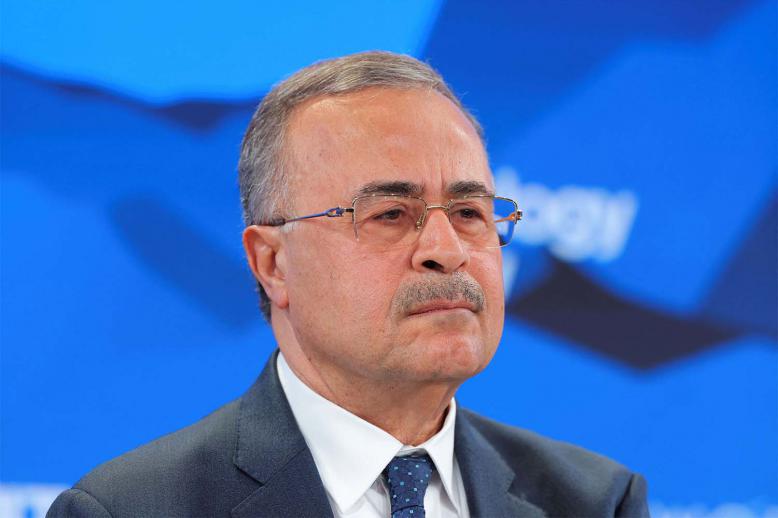
The disruption has not only upended the shipping and insurance sectors but also promises to have drastic domino effects on aviation, agriculture, automotive and other industries, Aramco CEO Amin Nasser told reporters on an earnings call.
Nasser noted global inventories of oil were at a five-year low and said the crisis will lead to drawdowns at a faster rate, adding that it was critical that shipping in the strait resumed.
“There would be catastrophic consequences for the world’s oil markets and the longer the disruption goes on, and the more drastic the consequences for the global economy,” he said.
Nasser also said a small fire from an attack last week on Aramco’s Ras Tanura refinery, its largest domestically, was quickly extinguished and brought under control, adding that the refinery was in the process of being restarted.