

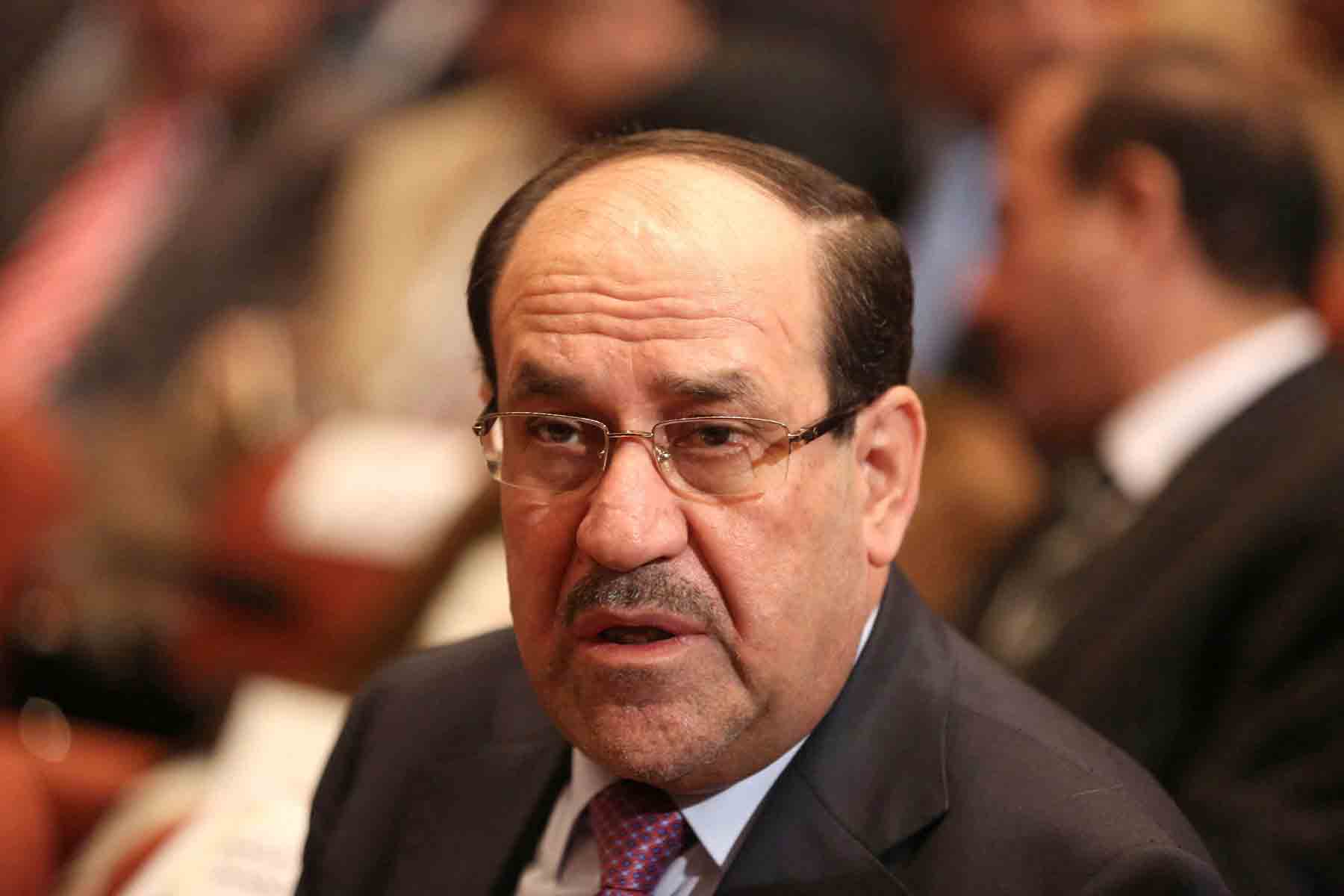
Maliki’s return to power faces strong resistance from the US administration
Maliki sets conditions to drop PM bid as Iraq power struggle intensifies
Maliki signalled he may withdraw from the race, but only under conditions observers describe as “stringent” and designed to preserve his influence over the selection process.
Friday 13/03/2026
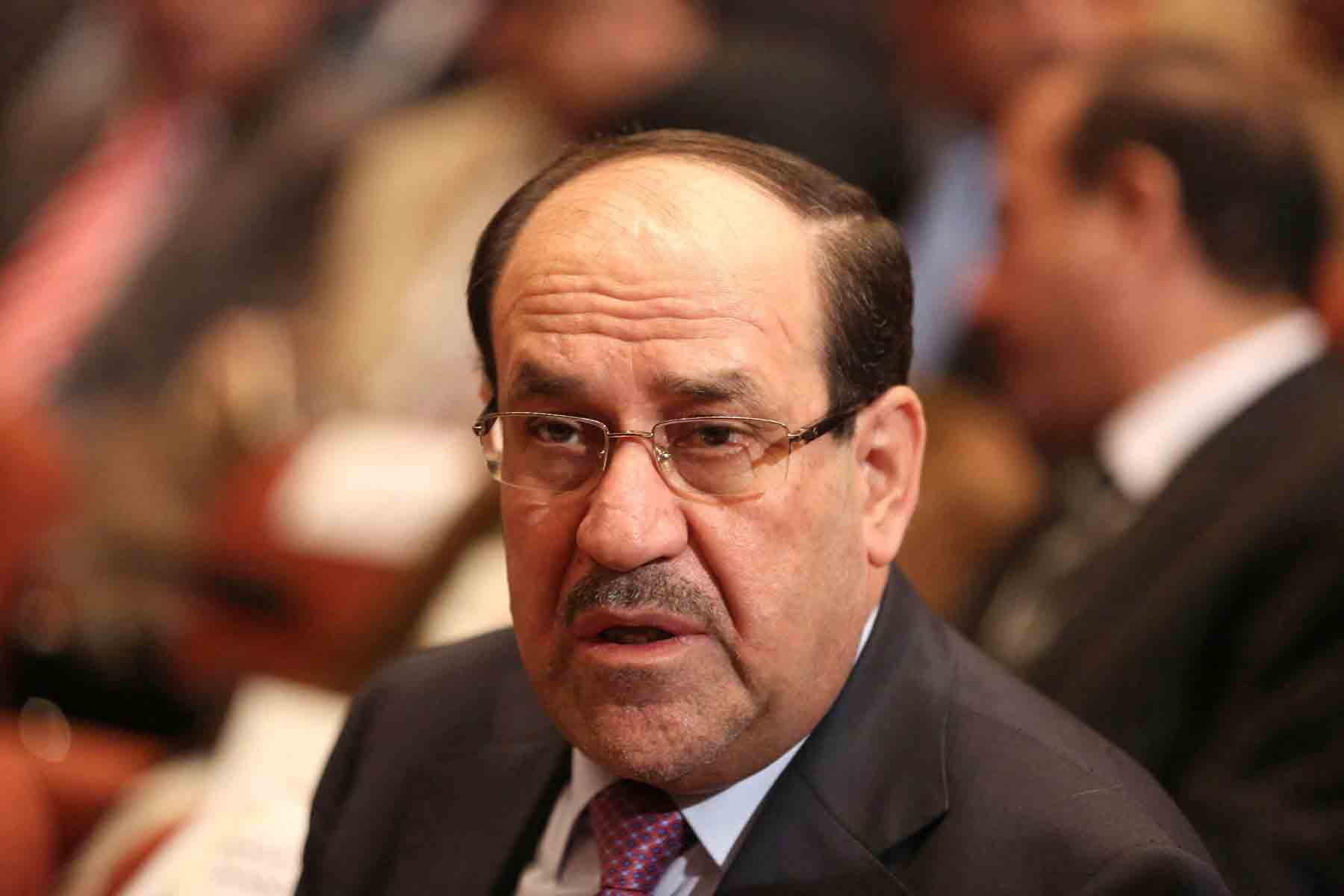
Maliki’s return to power faces strong resistance from the US administration
BAGHDAD – Iraq’s powerful Shiite political alliance is facing a decisive test of its unity as a fierce struggle over the premiership threatens to plunge the country into prolonged political deadlock.
The dispute pits the ambitions of former prime minister Nouri al-Maliki, leader of the State of Law Coalition, against growing calls within the alliance to renew the mandate of caretaker premier Mohammed Shiaa al-Sudani in the name of stability.
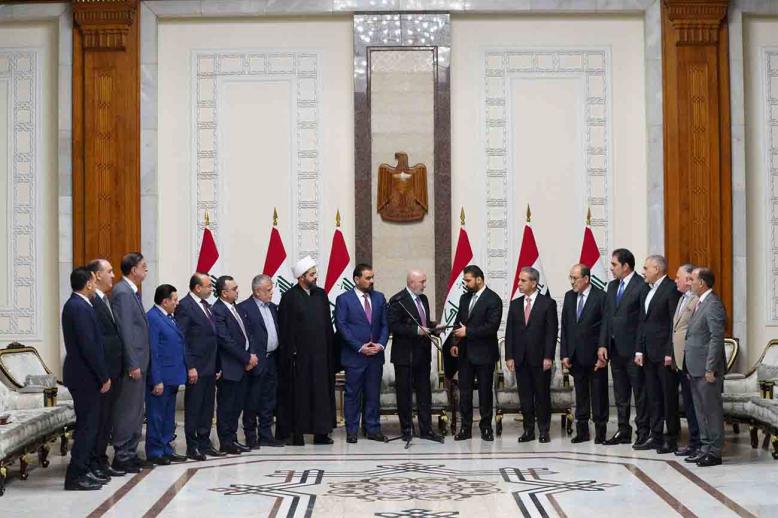
The standoff has exposed deep fractures within the Coordination Framework, the umbrella alliance that groups Iraq’s main Shiite political factions and constitutes the largest parliamentary bloc.
Analysts warn that the internal divisions, combined with mounting international pressure and economic uncertainty, could push Iraq towards a lengthy political impasse.
Recent developments suggest a shift in Maliki’s strategy. After formally announcing his candidacy for the premiership on January 24, the former premier has signalled he may withdraw from the race, but only under conditions observers describe as “stringent” and designed to preserve his influence over the selection process.
A source within the Coordination Framework said Maliki relayed his position through a mediator tasked with easing tensions among Shiite factions over the leadership dispute.
According to the source, Maliki’s conditions include refusing a second term for caretaker prime minister Sudani and blocking the selection of former premier Haider al-Abadi, leader of the Al-Nasr Coalition, as a compromise candidate.
Instead, he has proposed choosing “a figure acceptable to all parties,” including himself, a formula widely seen as an attempt to maintain a decisive say in determining Iraq’s next leader.
Observers say Maliki’s insistence that any alternative candidate must win his approval underscores his desire to retain the role of political kingmaker while sidelining rivals within the Shiite camp.
Meanwhile, the Asaib Ahl al-Haq movement has emerged as a strong supporter of renewing Sudani’s mandate, citing economic and security concerns.
Mohammed al-Baldaoui, a lawmaker from the Sadiqoon bloc representing the group within the Coordination Framework, said the alliance must move quickly to resolve the leadership dispute.
“The Coordination Framework leadership should have a clear vision to find solutions, starting with forming a government capable of leading the country during this phase,” he said.
Baldaoui argued that renewing confidence in Sudani would help spare Iraq new internal conflicts and possible international sanctions.
He added that Asaib Ahl al-Haq would ultimately support whatever decision the alliance’s leadership agrees upon, noting that the bloc is expected to hold meetings in the coming days to decide the government formation process.
The political struggle comes at a moment of growing economic uncertainty.
Observers of Iraqi affairs say the economic outlook is “unsettling”, particularly amid the ongoing war involving the United States, Israel and Iran, the closure of the Strait of Hormuz, and the suspension of oil exports, developments that threaten Iraq’s fragile finances.
Such pressures, analysts argue, make the formation of a fully empowered government urgent. Prolonged rule under a caretaker administration could eventually trigger a severe budget crisis, including difficulties in paying public sector salaries.
The political battle is not confined to Baghdad’s Green Zone.
International factors are also weighing heavily on the negotiations. Maliki’s return to power faces strong resistance from the administration of US President Donald Trump, who previously warned that Washington could halt assistance to Iraq if the former premier regains the post.
Regional actors have also intensified pressure for a swift resolution to the crisis, fearing that prolonged instability in Iraq could further destabilise a country already grappling with economic fragility and security risks.
In an attempt to break the deadlock, Hadi al-Amiri, leader of the Badr Organisation, has launched last-minute mediation efforts aimed at bringing rival leaders together over a Ramadan “iftar or suhoor” gathering.
With official meetings postponed until after the Eid al-Fitr holiday, Iraq appears headed for at least two weeks of intense behind-the-scenes negotiations.
Political analyses suggest the balance may tilt towards the selection of a new compromise candidate capable of satisfying Maliki without provoking opposition from Washington.
Alternatively, Sudani could return as a reluctant consensus choice if Amiri succeeds in persuading Maliki to soften his conditions in exchange for political guarantees.
Either way, the coming weeks are likely to determine whether Iraq can overcome its latest political crisis, or sink deeper into another cycle of paralysis.