

The energy shock has global ramifications
Russia warns Middle East conflict sparks most severe energy crisis in 40 years
The Deputy PM says the current Middle East conflict affects at least 20 million barrels per day.
Wednesday 18/03/2026
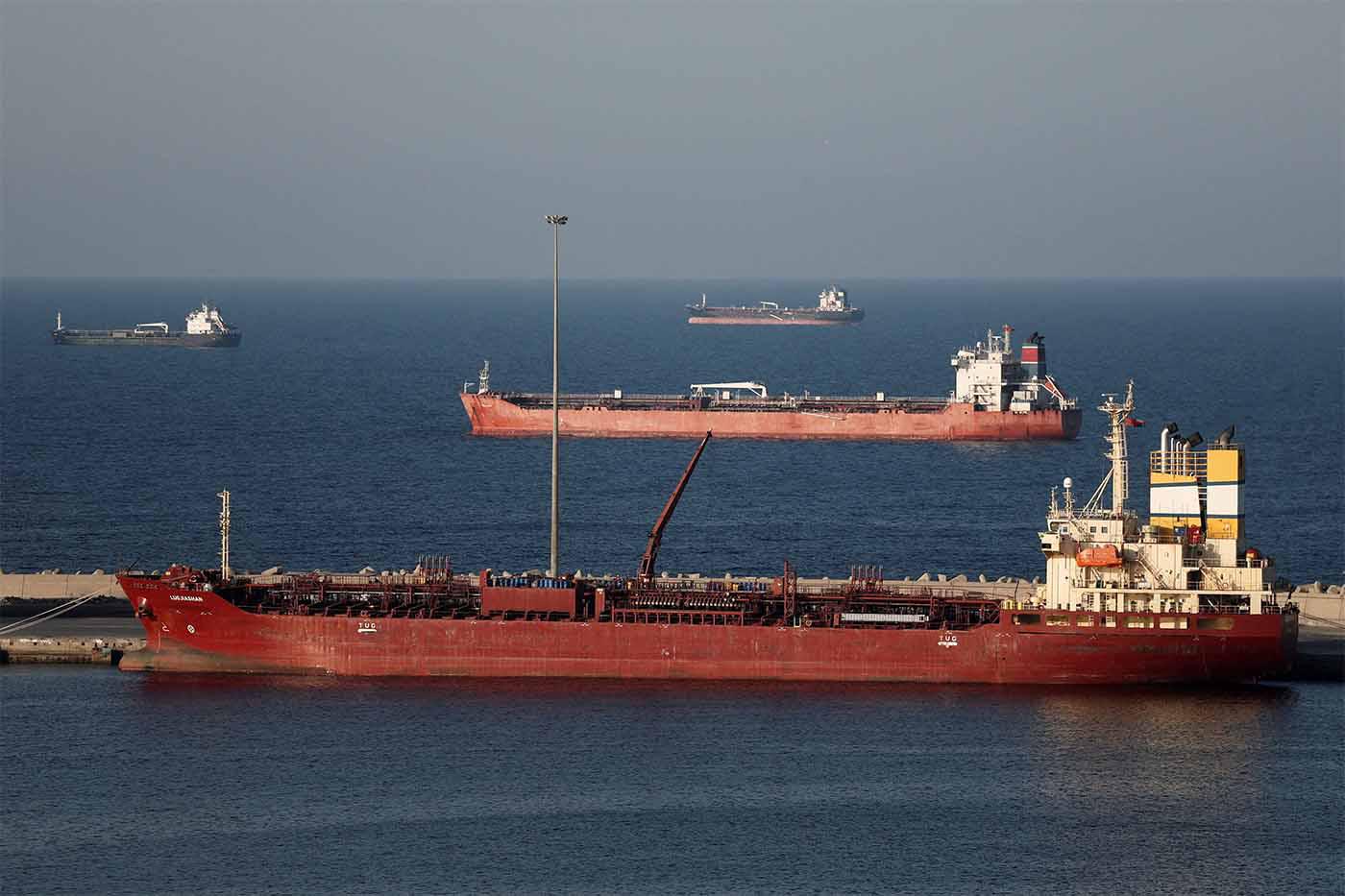
The energy shock has global ramifications
MOSCOW - Conflict in the Middle East is disrupting a significant share of global energy supplies and has triggered the most severe energy crisis in the past 40 years, Deputy Prime Minister Alexander Novak said on Wednesday.
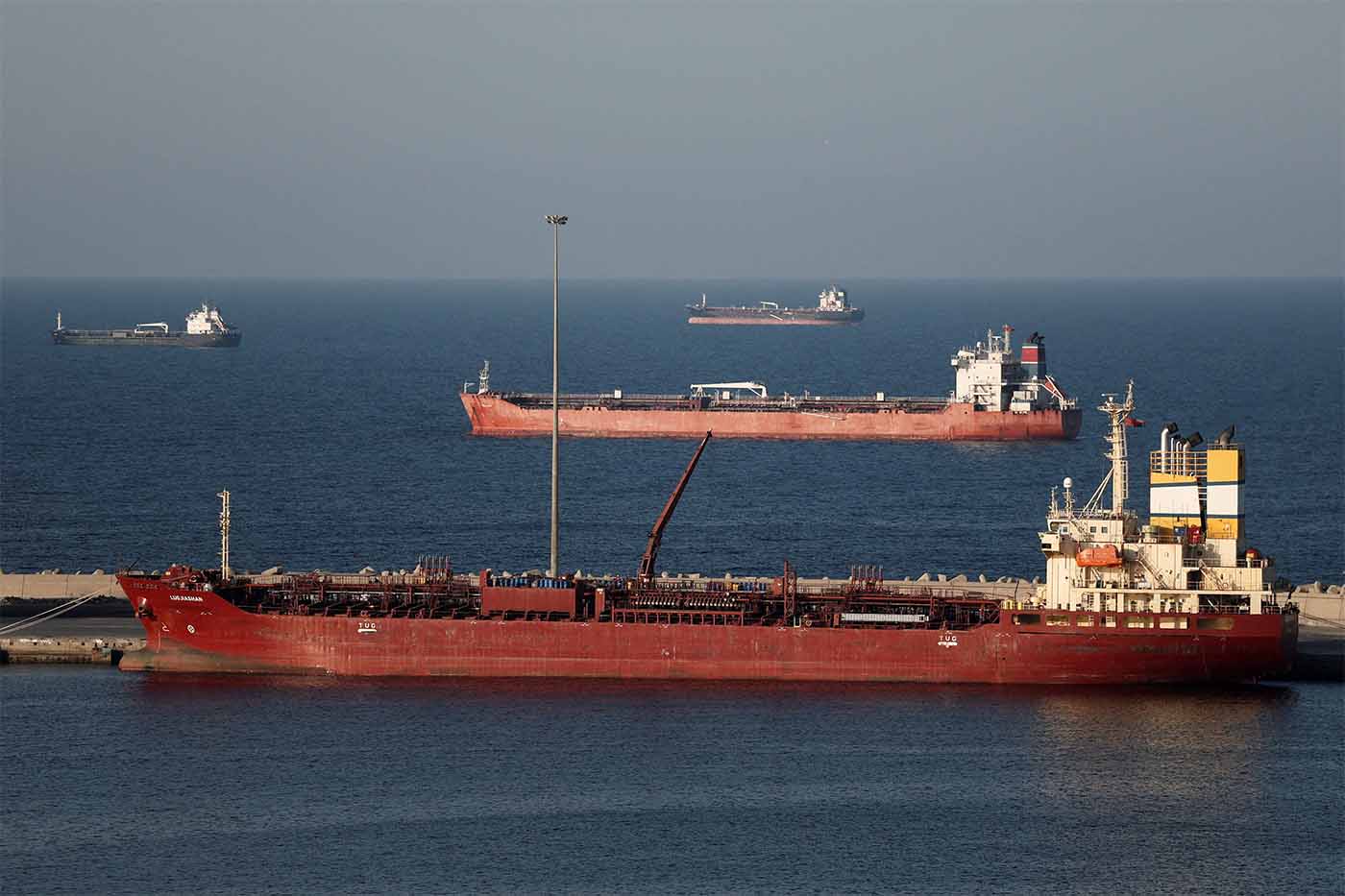
"In the context of the current Middle East conflict, this affects at least 20 million barrels per day. This is the volume of oil and petroleum products that used to pass through the Strait of Hormuz every day, as recently as 19 days ago," he said.
The remarks come as Brent crude prices have climbed well above $80 per barrel, with spikes pushing levels higher amid fears of prolonged outages. Liquefied natural gas (LNG) supplies from Qatar and other Middle Eastern exporters have also been curtailed, intensifying competition for available cargoes worldwide and exacerbating shortages in gas-dependent markets.
Novak's assessment aligns with broader Russian commentary on the crisis. President Vladimir Putin has previously warned that destabilization in the region would inevitably drive up fuel prices, restrict supplies, and disrupt long-term energy investments. Russian officials have positioned Moscow as a potential stabilizer, signaling readiness to ramp up oil and gas exports to reliable partners like China and India to offset losses from the Gulf.
The energy shock has global ramifications. European nations, already navigating reduced Russian supplies due to ongoing geopolitical tensions, face heightened vulnerability, with some analysts warning of renewed inflationary pressures and economic strain. Asian importers, meanwhile, are turning increasingly toward non-Middle Eastern sources, including Russian crude, which has seen demand surge as buyers seek alternatives to disrupted Gulf barrels.
In the Gulf itself, producers like Iraq, Saudi Arabia, and the UAE grapple with export bottlenecks, forcing production cuts and storage overflows. Diplomatic efforts, including Iraq's talks with Iran for limited tanker passage and high-level Arab coordination for de-escalation, underscore the urgency of resolving the blockade.