


The war in Iran has become Europe’s most serious economic and political test in decades
EU leaders scramble to tame energy price shock from Trump’s Iran war
The French President says the US and Israel launched the war on Iran and cannot expect 450 million Europeans to pay the price through blackouts and inflation.
Thursday 19/03/2026
The war in Iran has become Europe’s most serious economic and political test in decades
BRUSSELS – European Union leaders convene on Thursday an unscheduled emergency summit in Brussels to hammer out a coordinated response to the explosive rise in energy prices caused by the US-Israeli war against Iran.
With the conflict in its third week and the Strait of Hormuz effectively paralysed, EU leaders are confronting what Russian Deputy Prime Minister Alexander Novak yesterday called “the most severe energy crisis in the past 40 years.”
The meeting, chaired by European Council President António Costa, was called at short notice after Brent crude briefly spiked above $110 per barrel and European natural gas futures surged another 35 % in 48 hours following Iranian missile strikes on Qatar’s Ras Laffan LNG complex.
Agenda items include immediate release of strategic petroleum and gas reserves, accelerated diversification of LNG imports, emergency funding for renewables acceleration, and joint diplomatic pressure to reopen the Hormuz chokepoint.
Yet the summit has been overshadowed by a rapidly growing wave of political opposition inside the EU to President Donald Trump’s decision to join Israel in the military campaign. Senior EU figures are increasingly describing the war as “America’s war, not Europe’s” and warning that Washington has dragged the continent into an avoidable economic catastrophe.
French President Emmanuel Macron, arriving in Brussels, told reporters: “Europe did not choose this conflict. We have repeatedly urged restraint. The United States and Israel launched this war; they cannot expect 450 million Europeans to pay the price through blackouts and inflation.”
Macron called for an immediate ceasefire and said France would lead efforts to revive Oman-mediated diplomacy, noting that Muscat had brought the US and Iran “within touching distance of a nuclear deal” just days before the February 28 strikes.
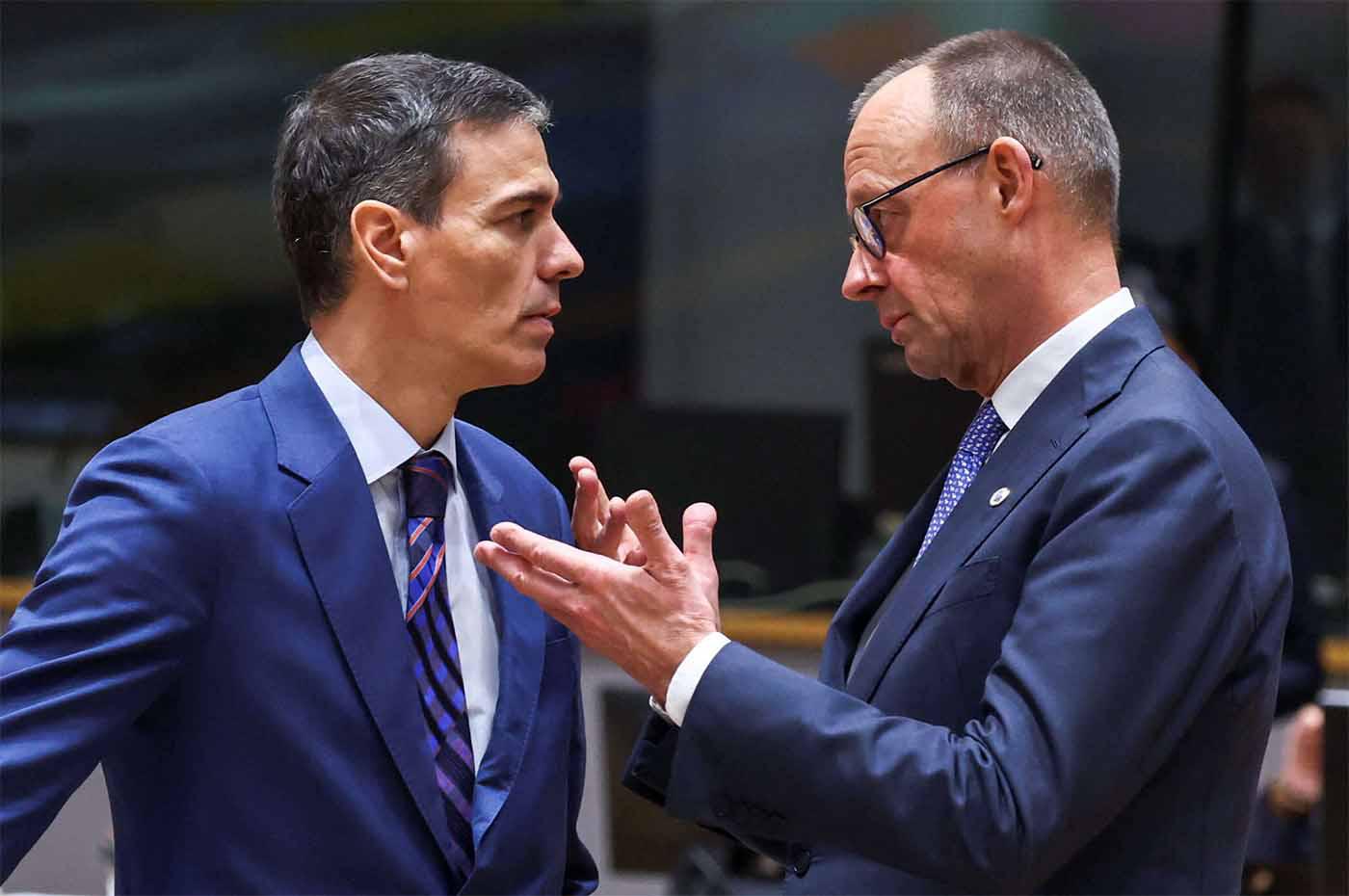
German Chancellor Friedrich Merz went further, telling the Bundestag before departing that “blind solidarity with Washington is not an option when German households face €1,000-a-year extra heating bills and industry is already announcing short-time work.”
Merz announced Berlin would veto any NATO-level involvement and push for a formal EU statement declaring the bloc “non-belligerent.”
The opposition is no longer confined to traditional sceptics. European Commission President Ursula von der Leyen, usually cautious on transatlantic issues, admitted in a closed-door session that “the economic collateral damage is disproportionate and unsustainable.”
A draft summit communiqué circulating among delegations explicitly states that “the EU is not a party to this conflict and will not subsidise its consequences.”
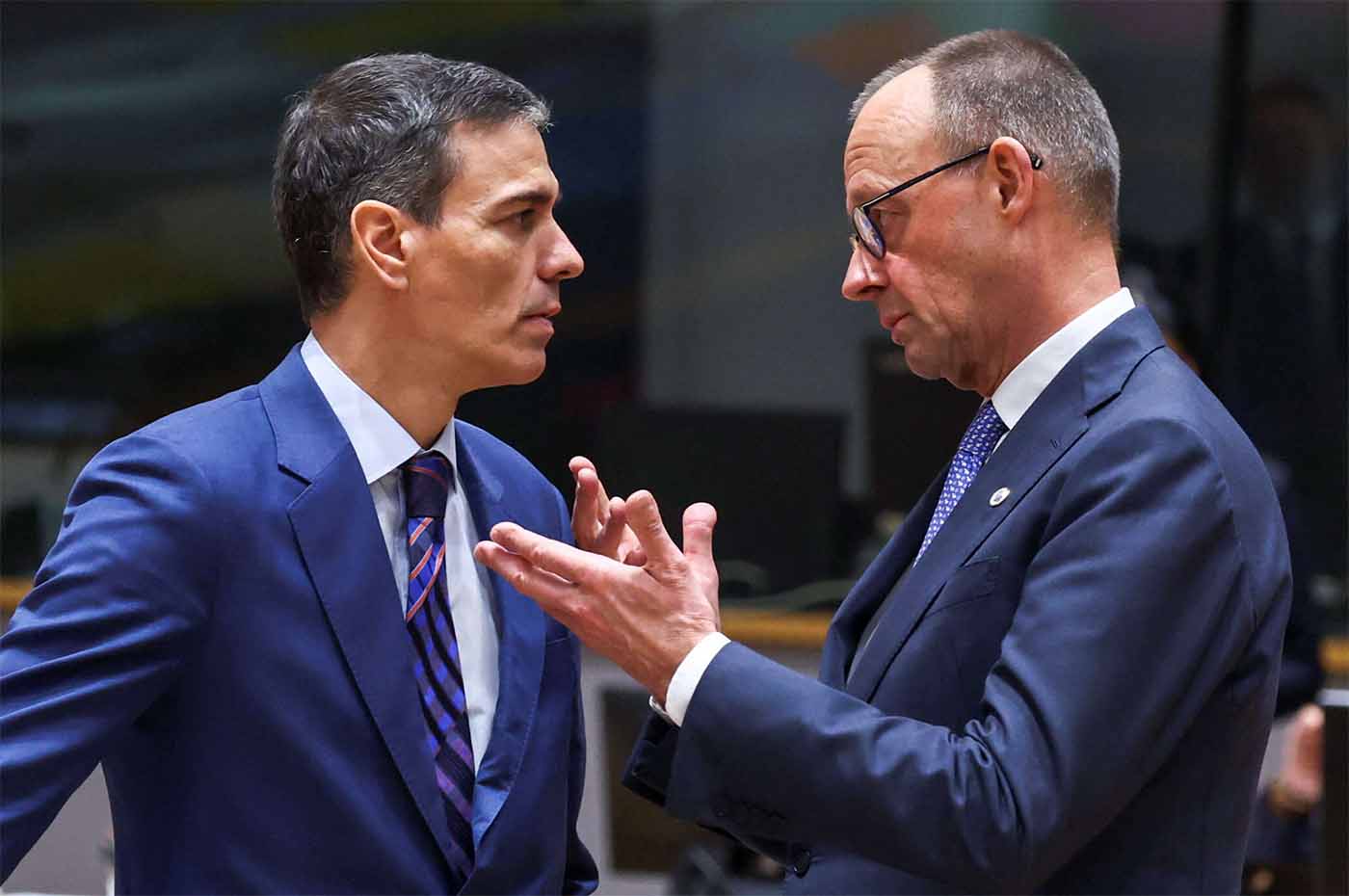
Public and parliamentary backlash has intensified dramatically in the past week. Spain’s Prime Minister Pedro Sánchez labelled the war “reckless adventurism” and demanded Trump explain to European citizens why Madrid must now spend billions on emergency LNG terminals.
Italy’s Giorgia Meloni, despite her strong US ties, warned that prolonged disruption risks “social unrest across the Mediterranean.”
The European Parliament passed a resolution on Wednesday condemning “unilateral military escalation” and calling on the US to return to the negotiating table.
Opinion polls across Germany, France, the Netherlands and Poland show 62-71 % of citizens oppose Europe’s indirect involvement through energy costs.
Business leaders have joined the chorus. The European Round Table for Industry issued a rare joint letter warning that sustained prices above €80/MWh for gas could trigger a deeper recession than 2022. Major German chemical and steel firms have already begun production cuts.
Diplomatically, the summit is expected to endorse Oman’s offer to host fresh indirect talks and to task EU foreign policy chief Kaja Kallas with coordinating a joint demarche to Washington urging de-escalation.
Several leaders privately expressed frustration that Trump’s administration has so far rebuffed European calls for restraint, reportedly telling allies that “Europe should contribute warships or stay quiet.”