


A blunt condemnation of Iran's attacks on Qatar's gas infrastructure
Qatar declares Iran’s military and security attachés ‘persona non grata’
Doha orders Iranian military and security attachés, along with their staff, to leave Qatar within 24 hours following Iran’s strikes on Ras Laffan.
Thursday 19/03/2026
A blunt condemnation of Iran's attacks on Qatar's gas infrastructure
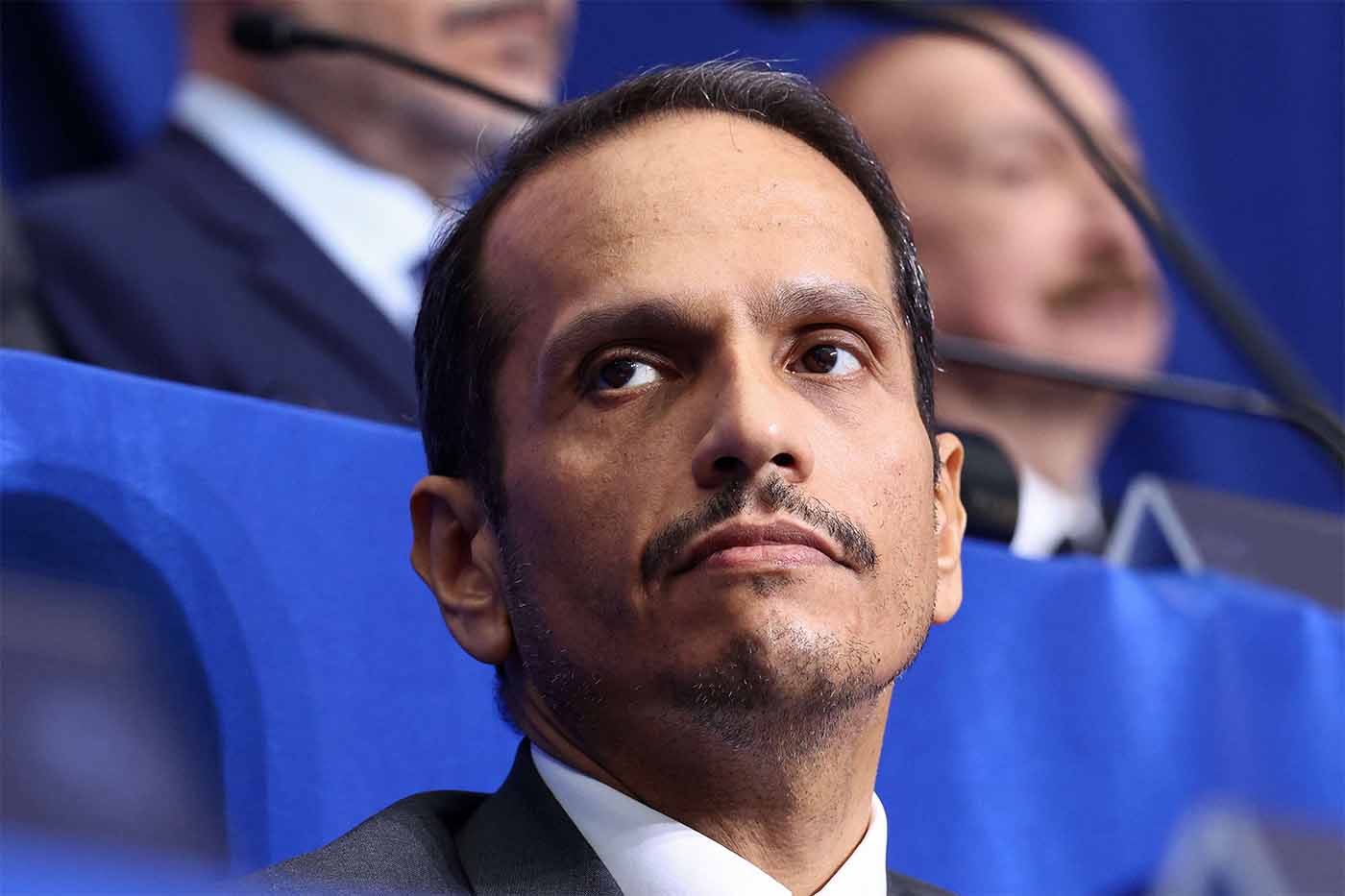
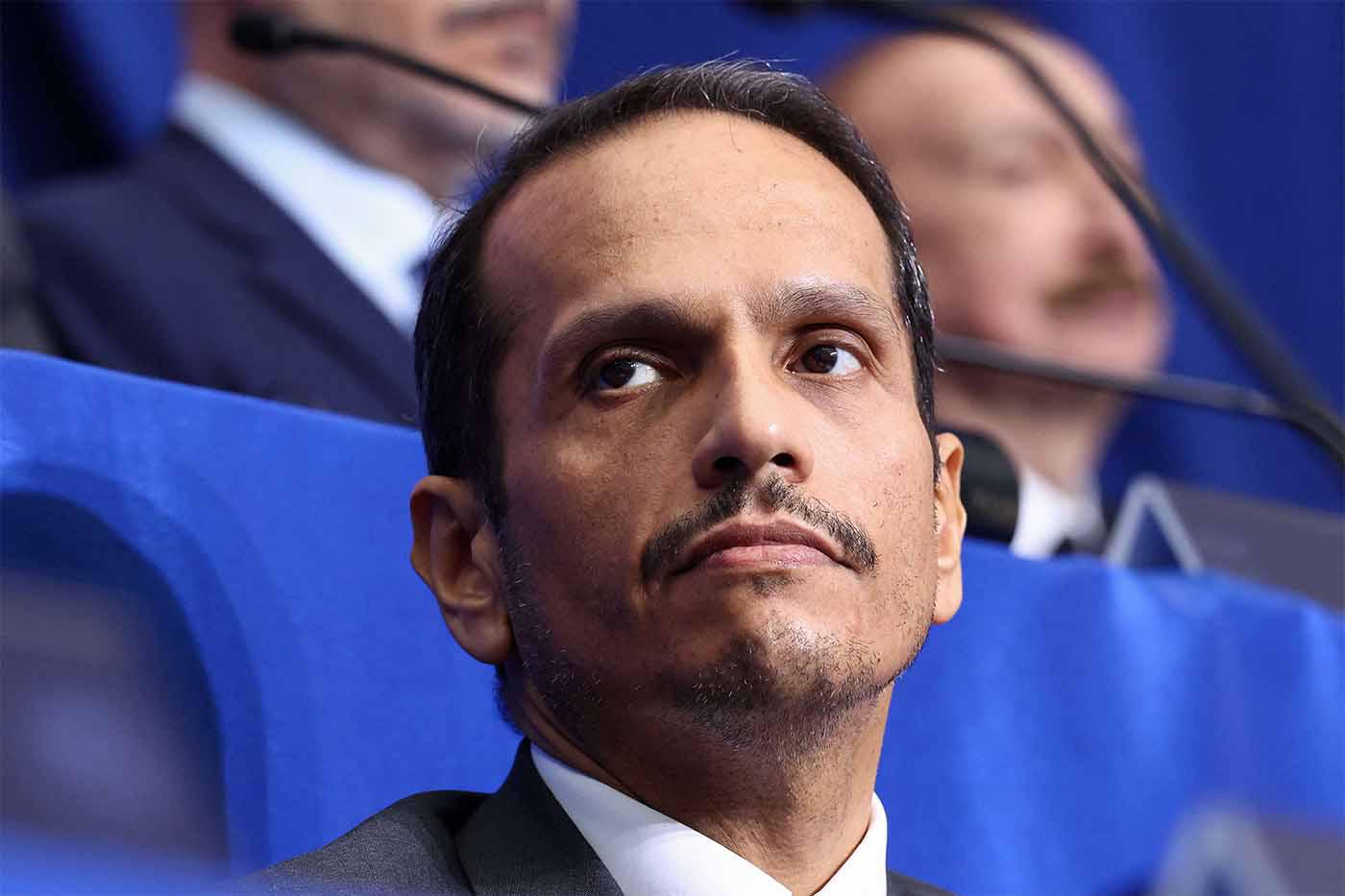
DOHA – Qatar has dramatically escalated its response to Iranian aggression by declaring Iran’s military and security attachés at its embassy in Doha “persona non grata” and ordering them, along with their staff, to leave the country within 24 hours.
The move follows direct Iranian ballistic missile strikes on Ras Laffan Industrial City — the world’s largest liquefied natural gas (LNG) production and export hub — which caused multiple fires and “extensive damage” to key facilities earlier this week.
In an official statement issued on Wednesday by Qatar’s Ministry of Foreign Affairs, Doha delivered a blunt condemnation and announced the expulsions.
“The State of Qatar expresses its strong condemnation and denunciation of the blatant Iranian attack targeting Ras Laffan Industrial City, which caused fires resulting in significant damage to the facility.
The Ministry of Foreign Affairs delivered an official note to the Embassy of the Islamic Republic of Iran to the State, stating that Qatar considered both the military attaché and the security attaché at the embassy, in addition to the staff of the two attaché offices ‘persona non grata’, and requested that they leave the country within a maximum period of (24) hours.
The note was formally handed to Iranian Ambassador Ali Salehabadi during a meeting with the Director of Protocol at Qatar’s Foreign Ministry.
Why Iran targeted Ras Laffan
The strikes were Tehran’s direct retaliation for Israeli attacks on Iran’s South Pars gas field — the world’s largest natural gas reservoir, which is shared with Qatar’s massive North Field (the source of gas processed at Ras Laffan). Iran had earlier publicly identified Ras Laffan as a priority target in its retaliatory campaign against Gulf states perceived to be hosting or supporting US and Israeli operations in the ongoing war.
By hitting Qatar’s flagship energy asset, Tehran aimed to inflict economic pain on a key Gulf neighbour, disrupt global LNG supplies, and send a message that any involvement — even indirect — in the US-Israeli campaign would carry a heavy price.
QatarEnergy confirmed that several LNG trains and the Pearl gas-to-liquids plant sustained serious damage, forcing indefinite suspension of production at parts of the complex. The attacks have already triggered fresh spikes in global LNG and oil prices, compounding the energy crisis triggered by the near-total closure of the Strait of Hormuz.
Qatar, which has repeatedly stressed it is not a party to the US-Israeli war against Iran, described the Iranian action as a “flagrant violation of sovereignty and international law” and a breach of good-neighbourly principles. The expulsion of the Iranian attachés marks the strongest diplomatic retaliation yet by any Gulf state against Tehran since the conflict began on February 28.
The decision comes amid a wave of Iranian missile and drone strikes on energy infrastructure across the Gulf, including sites in Saudi Arabia and the UAE. Regional leaders have warned that continued targeting of civilian energy facilities risks pushing the Middle East toward a far wider and more dangerous confrontation.
With Ras Laffan accounting for roughly 20% of global LNG supply under normal conditions, the combination of physical damage and diplomatic rupture has sent shockwaves through energy markets. Traders now fear prolonged outages and even tighter supplies heading into peak summer demand.
Qatar’s swift and decisive response signalled that Doha — long seen as a neutral mediator in regional crises — will no longer tolerate direct attacks on its strategic assets, even as it continues to call for de-escalation and a return to diplomacy.