


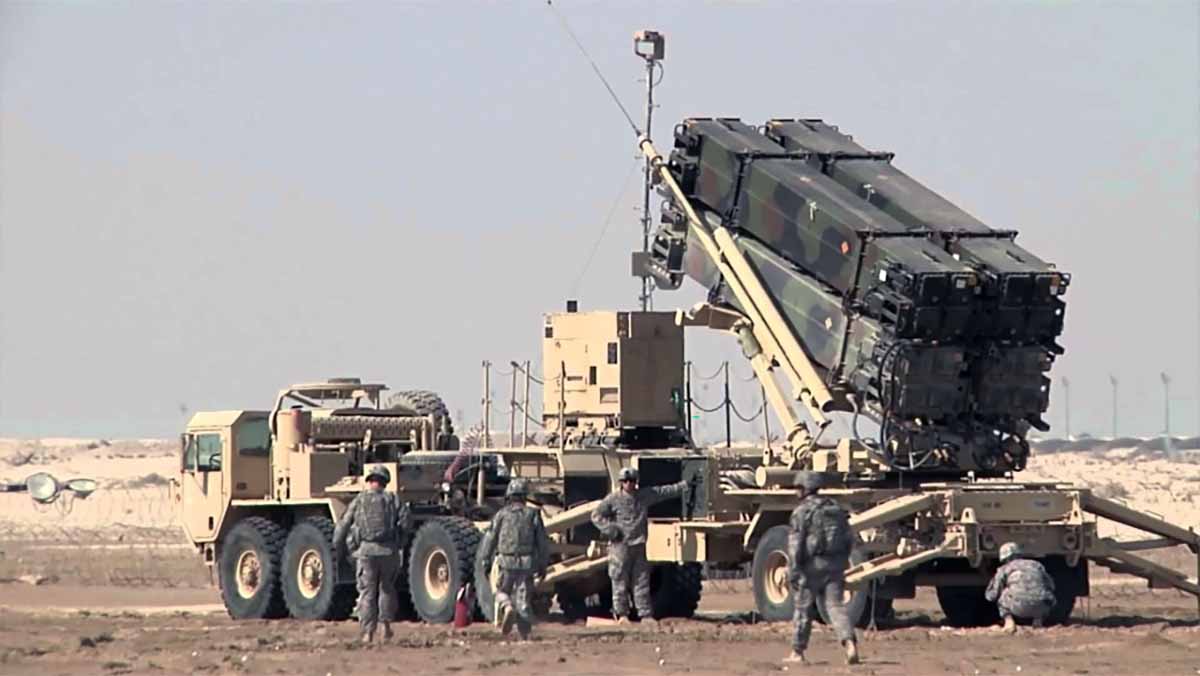
The unannounced deals include the sale of Patriot PAC-3 Missiles worth about $5.6 billion
WSJ: US approves $7 billion more in weapons for UAE
Senior US officials say the additional arms are intended to deter further Iranian aggression and protect critical energy and economic assets without drawing the UAE deeper into offensive operations.
Friday 20/03/2026
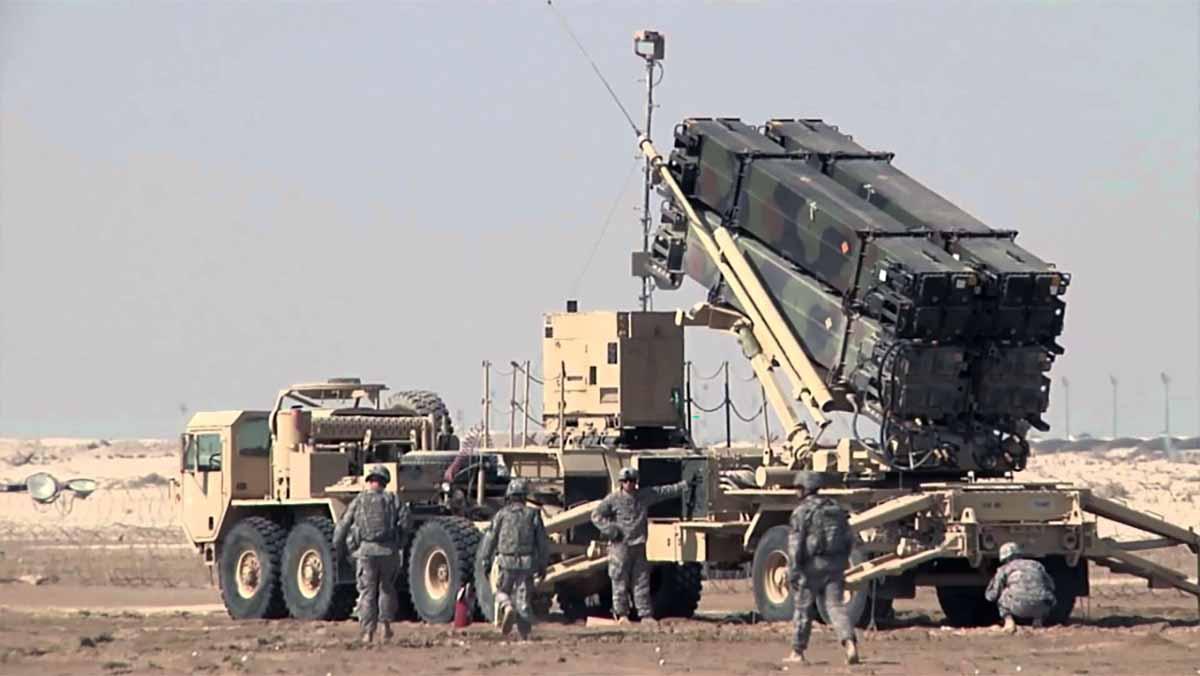
The unannounced deals include the sale of Patriot PAC-3 Missiles worth about $5.6 billion
WASHINGTON - The Trump administration has approved about $7 billion in weapons for the United Arab Emirates that the State Department is not required to announce to the public under rules governing US arms exports, the Wall Street Journal reported on Thursday.
That is in addition to arms sales to three Middle East countries worth more than $16.5 billion announced earlier on Thursday, the Journal said.
The unannounced deals include the sale of Patriot PAC-3 Missiles worth about $5.6 billion and CH-47 Chinook helicopters costing about $1.32 billion to the UAE, the Journal said, citing US officials, adding that those sales were not announced publicly because they expanded previously agreed arms deals.
The package is designed to strengthen the UAE’s ability to intercept Iranian ballistic missiles and drones that have repeatedly targeted Emirati territory since the conflict began on February 28.
The timing is no coincidence. Iranian forces have launched multiple waves of attacks on UAE infrastructure in recent weeks, damaging oil facilities, forcing temporary airspace closures, and prompting emergency civil-defense measures in Dubai and Abu Dhabi. While the UAE has repeatedly stressed it is not a participant in the US-Israeli campaign and has joined other Arab states in calling for de-escalation, the attacks have exposed gaps in its existing air-defense network.
Senior US officials, speaking on condition of anonymity, told the Journal that the additional arms are intended “to deter further Iranian aggression and protect critical energy and economic assets” without drawing the UAE deeper into offensive operations. The sale bypasses the normal lengthy review process under an emergency provision, reflecting Washington’s assessment that the threat to Gulf stability has become urgent.
The $7 billion package comes on top of existing US-UAE security cooperation, which already includes billions in prior sales and the presence of American troops at Al Dhafra Air Base. It signals continued strong American commitment to the UAE even as European allies voice growing opposition to the war and call for Washington to “extricate itself” from the conflict.
For the UAE, the approval is a timely boost. With global energy markets already in turmoil — the Strait of Hormuz largely closed, Qatar’s Ras Laffan LNG complex damaged by Iranian strikes, and oil prices hovering near $110 — Abu Dhabi needs robust defenses to safeguard its own oil exports and critical infrastructure. Emirati officials have welcomed the move privately, describing it as essential for protecting national sovereignty against what they call “unprovoked Iranian escalation.”
European leaders meeting in Brussels this week expressed alarm over the economic fallout of the conflict, while Oman’s foreign minister publicly urged America’s allies to help pull Washington out of what he termed an “unlawful war.” Against that backdrop, the fresh $7 billion arms flow to the UAE underscores a clear American strategy: arming and shielding Gulf partners while the military campaign against Iran continues.