

Mixed signals
Three weeks in, Iran war escalates beyond Trump’s control
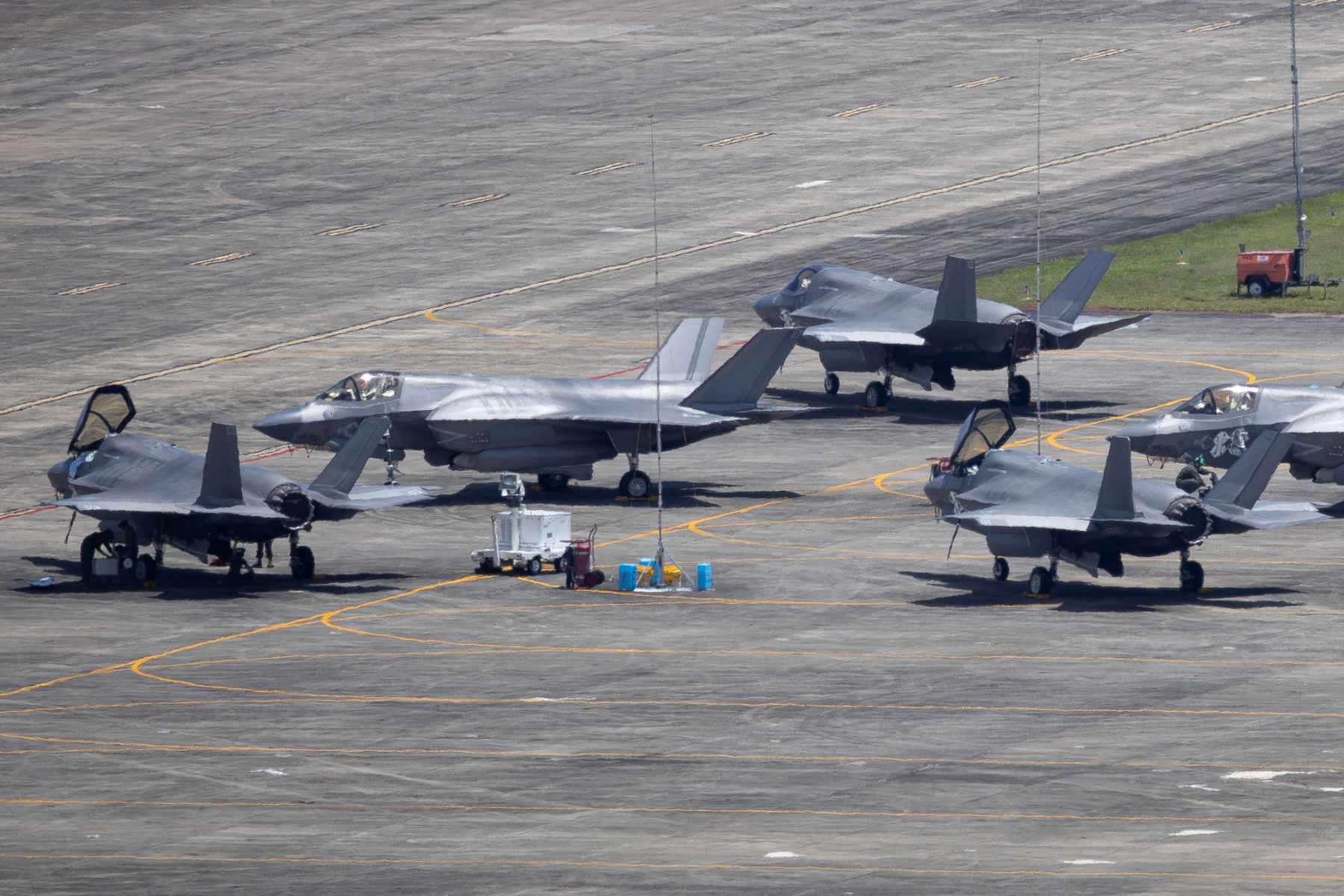
Trump’s mixed signals have left allies scrambling. On Friday he declared the battle “Militarily WON,” yet thousands more US Marines and heavy landing craft are streaming toward the Middle East.
Sunday 22/03/2026
Mixed signals
WASHINGTON - US President Donald Trump issued a stark 48-hour ultimatum to Iran on Saturday, vowing to “obliterate” the country’s power plants unless Tehran reopens the Strait of Hormuz, a critical chokepoint for one-fifth of the world’s oil and liquefied natural gas supplies.
The threat marks a dramatic escalation in a conflict now entering its fourth week, one that analysts say is rapidly slipping beyond Washington’s control despite Trump’s repeated claims of military victory.
“If Iran doesn’t FULLY OPEN, WITHOUT THREAT, the Strait of Hormuz, within 48 HOURS from this exact point in time, the United States of America will hit and obliterate their various POWER PLANTS, STARTING WITH THE BIGGEST ONE FIRST!” Trump wrote on social media. The message came barely 24 hours after he had spoken of “winding down” the war that began on 28 February with US and Israeli strikes on Iranian targets.
Iran’s largest facilities include the Damavand plant near Tehran (2,868 megawatts), the Kerman plant (1,910 MW) and the Ramin plant in Khuzestan (1,890 MW). Hitting them would plunge millions of Iranians into darkness and cripple civilian infrastructure – a step Trump himself described as a last resort earlier this month when he noted the grid could be dismantled “within one hour” but would take 25 years to rebuild.
The ultimatum reflects mounting frustration over Iran’s near-total closure of the Strait of Hormuz. Shipping traffic has plummeted, sending European gas prices surging as much as 35 percent last week and threatening a broader global energy shock. Iran struck back after an Israeli attack on its giant South Pars gas field by hitting Qatar’s Ras Laffan LNG complex, which processes roughly one-fifth of the world’s supply and will take years to repair.
Tehran’s retaliation has grown bolder. For the first time since the war began, Iran fired long-range ballistic missiles – with a 4,000-km reach – at the US-British base on Diego Garcia in the Indian Ocean. Israeli military chief Eyal Zamir warned that the same missiles could strike European capitals such as Berlin, Paris and Rome. Hours later, Iranian missiles slammed into the southern Israeli cities of Dimona and Arad, injuring dozens of civilians, including children. The strikes landed near Israel’s nuclear reactor and major air bases. Israel responded with fresh strikes on Tehran.
Iran’s Khatam al-Anbiya military command warned that any US attack on its energy infrastructure would trigger retaliation against American energy, information-technology and desalination facilities across the region.
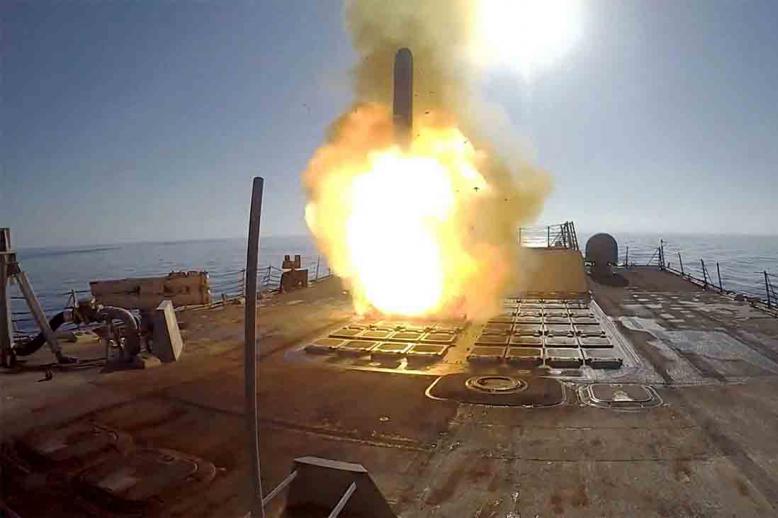
More than 2,000 people have been killed since fighting erupted. In Israel alone, 15 have died in Iranian strikes. US and Israeli forces claim major successes: the elimination of many top Iranian leaders, the sinking of Iran’s navy and the destruction of most of its ballistic-missile arsenal. Yet Tehran has offset those losses with armed drones and its remaining missiles, while its proxies continue to harass shipping and Gulf states.
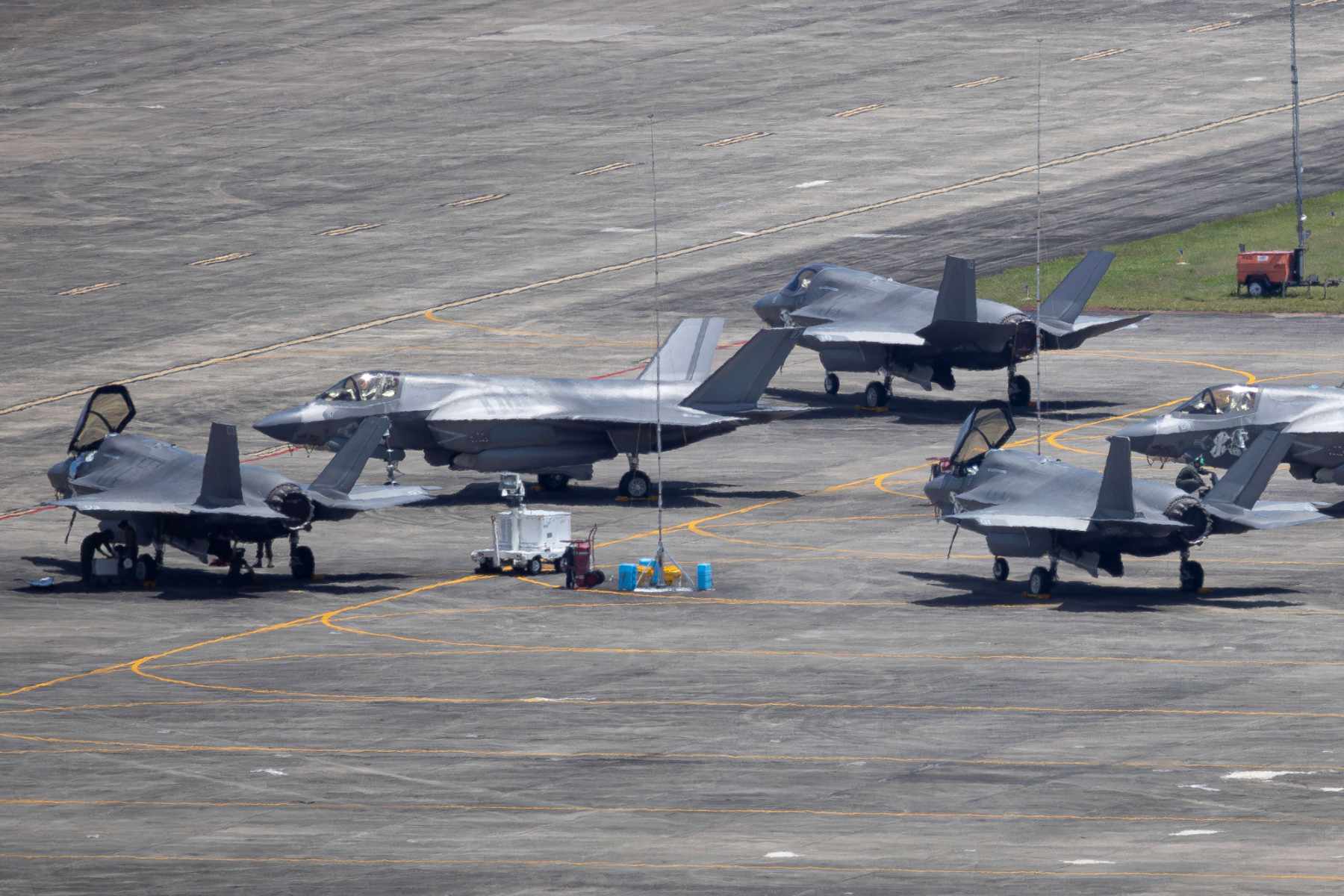
Trump’s mixed signals have left allies scrambling. On Friday he declared the battle “Militarily WON,” yet thousands more US Marines and heavy landing craft are streaming toward the Middle East. He has accused NATO countries of “cowardice” for refusing to help reopen the strait; most allies remain reluctant to join a conflict Washington launched without prior consultation.
Analysts say the president underestimated Iran’s willingness to fight what it views as an existential war and failed to plan for contingencies. “Trump has built himself a box called the Iran war, and he can’t figure out how to get out of it,” said Aaron David Miller, a former Middle East negotiator. Former US ambassador John Bass added that the administration “failed to think through the contingencies around ways in which a conflict with Iran could go sideways.”
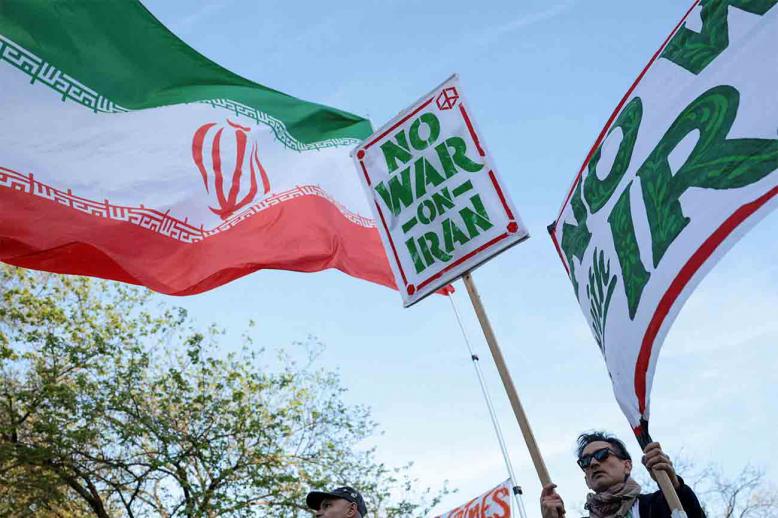
The economic fallout is becoming a domestic political liability. Surging fuel prices are fuelling inflation and hitting American drivers and businesses at a moment when Republicans are defending narrow majorities in Congress ahead of November midterms. Public support for deeper involvement is waning; polls show many Americans believe Trump will eventually send ground troops into Iran and strongly oppose the idea.
As Israeli Prime Minister Benjamin Netanyahu vowed to “continue striking our enemies on all fronts,” the conflict shows no sign of ending. Trump’s latest threat expands the target list from military sites to the power grid that sustains everyday Iranian life, a gamble that risks further regional chaos and higher costs at home. Whether the 48-hour deadline produces a breakthrough or a new round of devastating strikes remains to be seen. For now, the war that was supposed to be short appears firmly beyond any single leader’s control.