

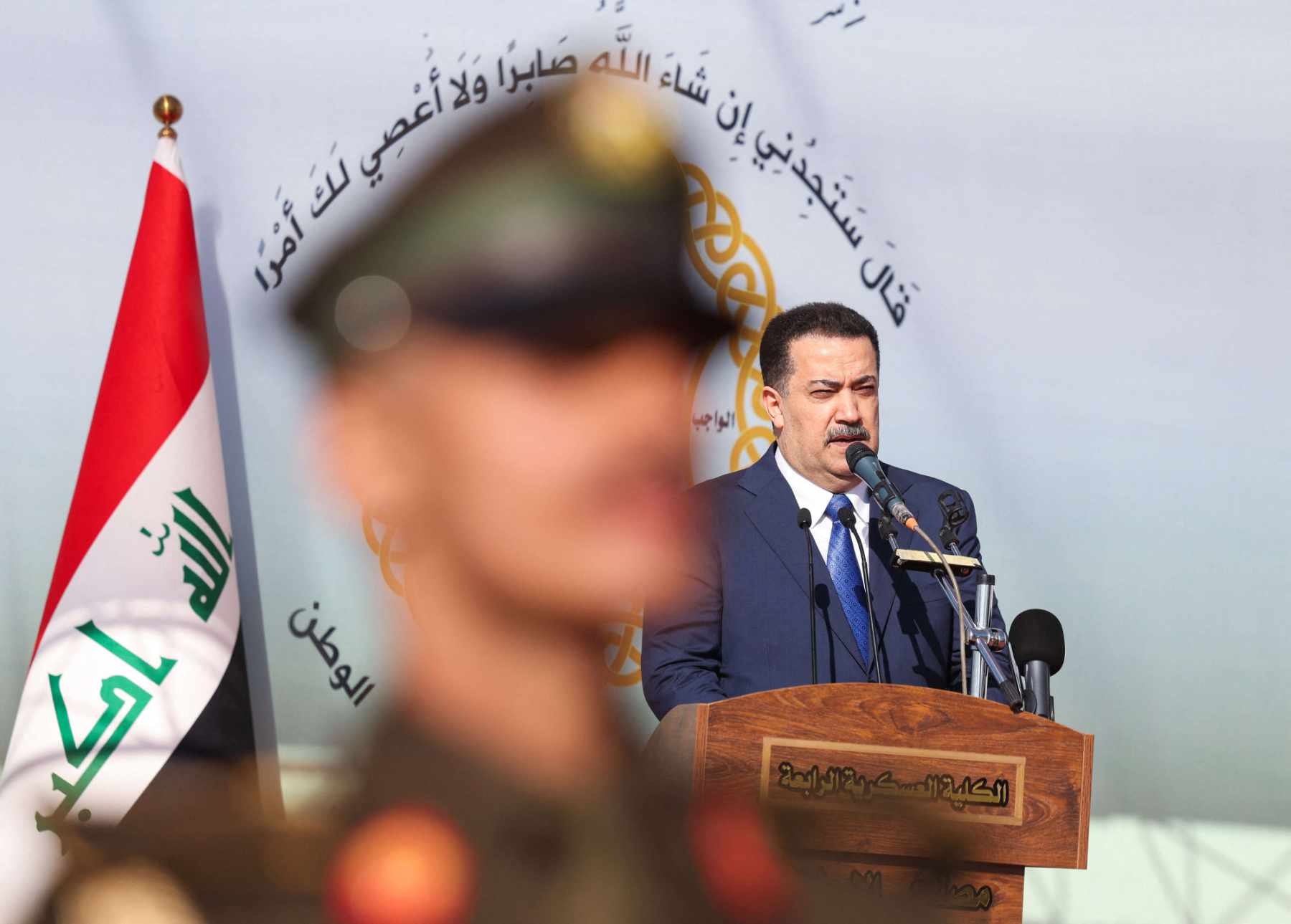
The decision to accelerate the coalition’s exit could prove pivotal in shaping Iraq’s security trajectory
Iraq speeds up coalition exit as Iran war spillover rocks stability
The announcement comes at a particularly volatile moment. Iraq has found itself increasingly entangled in the wider conflict triggered by US and Israeli strikes on Iran.
Tuesday 24/03/2026
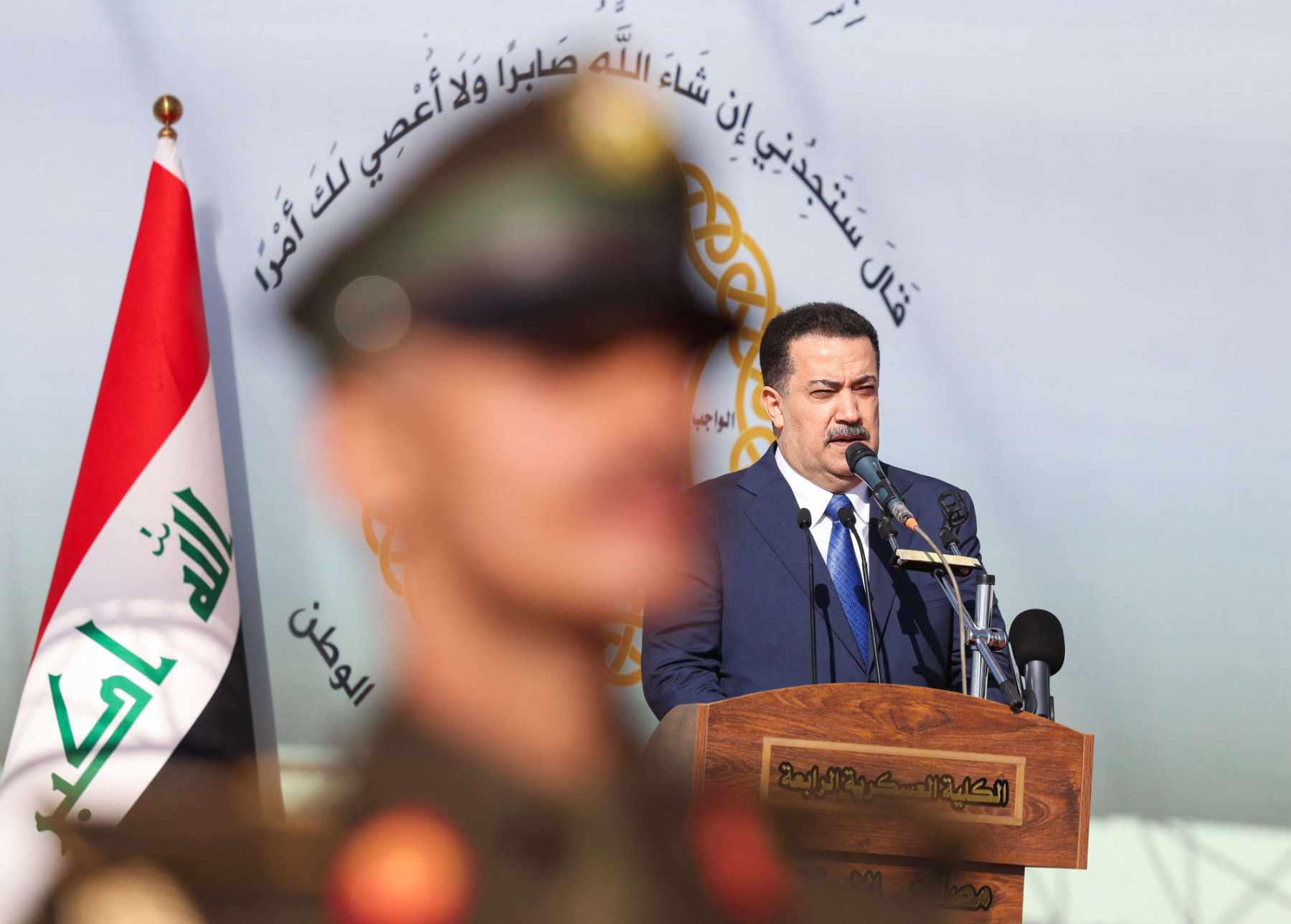
The decision to accelerate the coalition’s exit could prove pivotal in shaping Iraq’s security trajectory
BAGHDAD – Iraq is accelerating the end of the US-led anti-Islamic State coalition as it grapples with mounting instability driven by the expanding regional war with Iran, a conflict that has increasingly spilled onto Iraqi territory.
Prime Minister Mohammed Shiaa al-Sudani said the government had agreed with its partners to bring forward the conclusion of the coalition’s mission, originally scheduled for September 2026, in a bid to recalibrate Iraq’s security posture.
“Once there are no more foreign military contingents on Iraqi soil, it will be easier to break up the armed factions,” Sudani said, highlighting a central tension in Iraqi politics: the link between the presence of foreign troops and the persistence of powerful Iran-aligned militias.
The announcement comes at a particularly volatile moment. Iraq has found itself increasingly entangled in the wider conflict triggered by US and Israeli strikes on Iran, with near-daily attacks by pro-Iran groups on US interests and retaliatory strikes targeting those same factions.
The risks of escalation were underscored by a recent airstrike in Al Anbar Governorate that killed 15 fighters from the Popular Mobilization Forces, prompting an emergency security meeting chaired by Sudani.
Iraqi military officials described the strike as an attempt to destabilise the country, insisting it “would not weaken Iraqi forces.”
For Baghdad, the convergence of external military pressure and internal armed actors presents a growing challenge.
While the government insists its forces are now capable of preventing a resurgence of the Islamic State, the broader security environment remains fragile.
The coalition’s withdrawal is intended to pave the way for a new phase of bilateral security cooperation, focused on training, intelligence-sharing and capacity building rather than direct military deployment. Yet analysts warn that the timing, amid active conflict, could leave Iraq exposed to both internal and external shocks.
Compounding concerns, the NATO mission in Iraq has temporarily withdrawn its personnel to Europe as a precaution, reflecting the deteriorating regional security climate. Iraqi officials emphasised that the move was coordinated and not the result of any direct attack.
Iraq’s leadership now faces a complex equation: asserting sovereignty and reducing foreign military presence, while preventing the country from becoming a battleground for proxy warfare.
As regional tensions intensify, the decision to accelerate the coalition’s exit could prove pivotal in shaping Iraq’s security trajectory in the months ahead.