

More than 9,300 Palestinians are currently held in Israeli prisons
Israel advances death penalty law for Palestinian prisoners
The legislation includes sweeping provisions that would tighten conditions for those sentenced to death. Executions would be carried out within 90 days, with no possibility of pardon or appeal in certain cases.
Thursday 26/03/2026
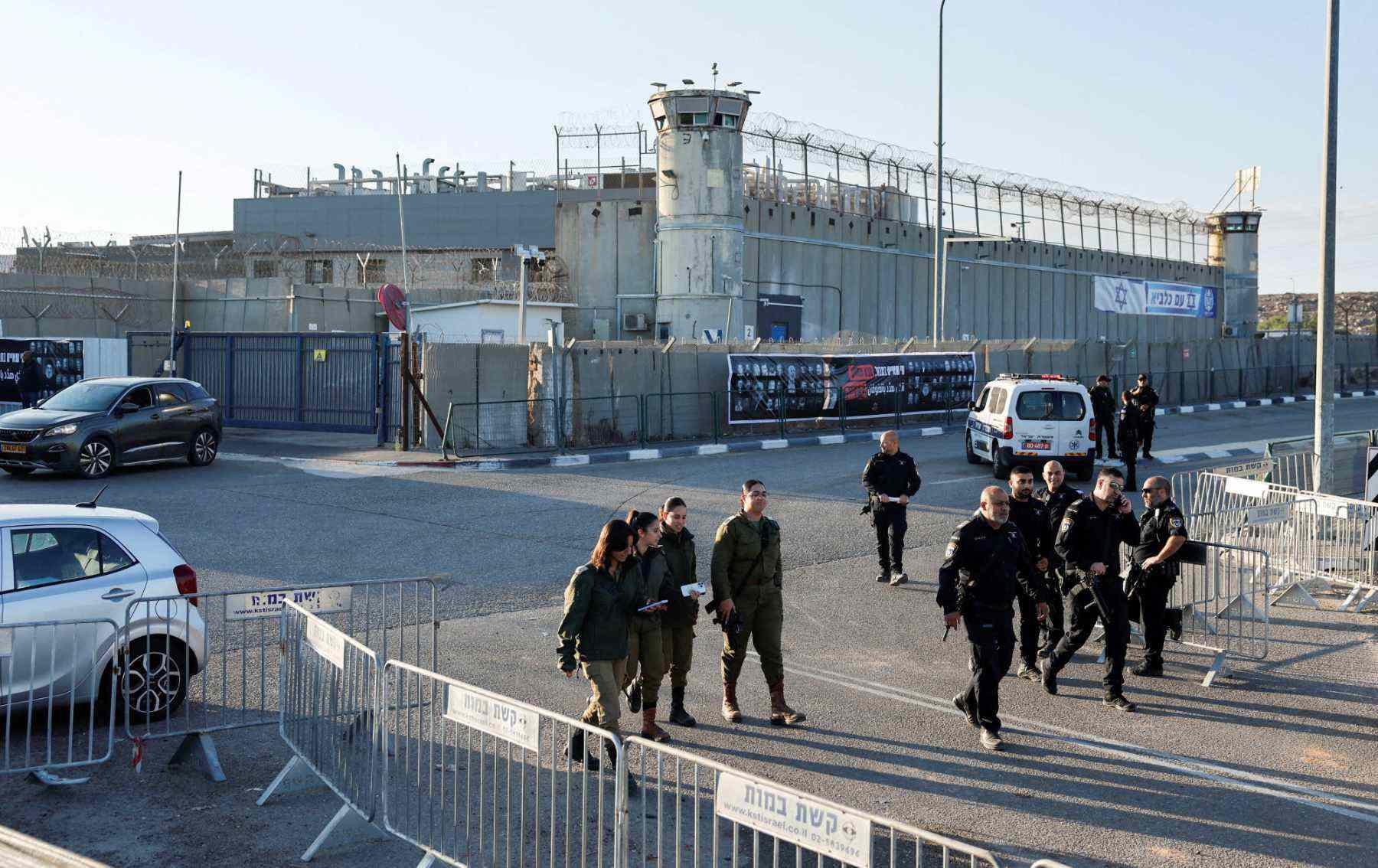
More than 9,300 Palestinians are currently held in Israeli prisons
JERUSALEM – Israel has taken a significant step towards introducing the death penalty for Palestinian prisoners after a key parliamentary committee approved a controversial bill, paving the way for a final vote in the coming days.
The Knesset’s National Security Committee endorsed the draft legislation on Tuesday, forwarding it for second and third readings, the final stages required for it to become law, before the parliament enters its Passover recess in early April.
The bill targets Palestinians convicted of killing or participating in attacks against Israelis, but does not apply to Israelis accused of killing Palestinians, drawing sharp criticism from both Palestinian factions and Israeli legal experts.
According to Israeli media reports, the legislation includes sweeping provisions that would significantly tighten conditions for those sentenced to death. Executions would be carried out within 90 days, with no possibility of pardon or appeal in certain cases.
Prisoners facing execution would be held in isolated facilities, with visits heavily restricted and legal consultations limited to remote access. The law would also lower the threshold for imposing a death sentence, allowing it to be issued by a simple majority rather than requiring unanimity.
Military courts operating in the occupied West Bank would be empowered to hand down death sentences, further expanding the scope of the law.
The proposal was put forward by the far-right party led by Itamar Ben-Gvir and is backed by the ruling Likud party of Prime Minister Benjamin Netanyahu, as well as the opposition party Yisrael Beiteinu. However, ultra-Orthodox parties have voiced principled opposition.
Ben-Gvir hailed the move as “a historic day,” framing it as a necessary deterrent.
Palestinian groups swiftly condemned the legislation. The Fatah movement described it as “legalising killing” and entrenching a system driven by revenge rather than justice, accusing Israel of attempting to cloak violations of human rights in legal form.
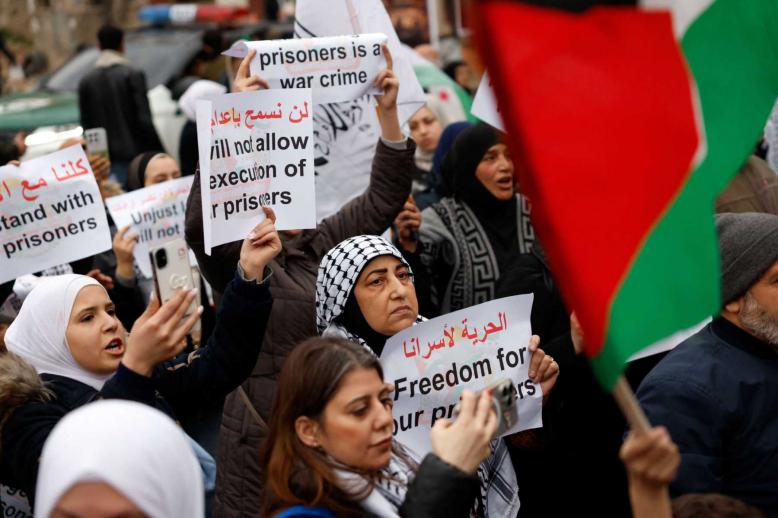
Hamas warned the bill represented a “dangerous step” towards the execution of prisoners inside Israeli jails, calling it a red line and urging increased mobilisation in support of detainees.
The bill has also triggered unease in Israel itself. According to reports, military officials and representatives from several government ministries have repeatedly warned of its potential consequences, including possible violations of international law.
Concerns have been raised that the legislation could expose Israeli officials and military personnel to legal action abroad.
Israeli lawmaker Gilad Kariv described the bill as “extreme” and unprecedented among democratic states, citing serious ethical and security concerns. He warned that enforcing such a law could force the military to breach international legal standards.
Both the justice and foreign ministries have reportedly expressed reservations over the proposal’s legal ramifications.
Opposition to the bill extends beyond political circles. Earlier this year, around 1,200 prominent Israeli figures, including Nobel laureates, former military officials and retired Supreme Court judges, publicly denounced the proposal as a “moral stain.”
The move comes amid heightened tensions following the war in Gaza, which began in October 2023 and has dramatically escalated violence across the region. Rights groups say conditions for Palestinian detainees have deteriorated sharply, citing allegations of torture, starvation and denial of medical care.
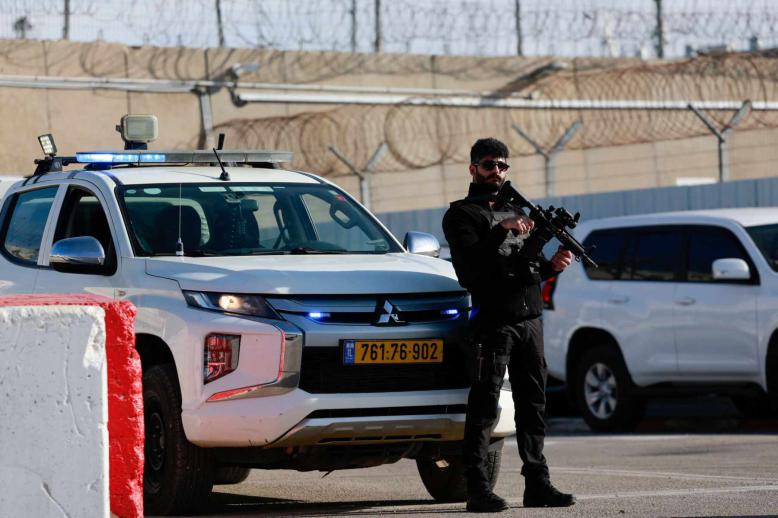
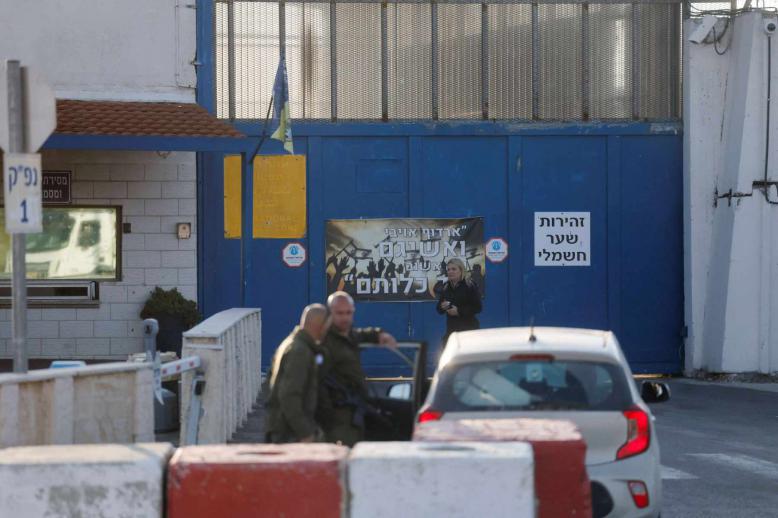
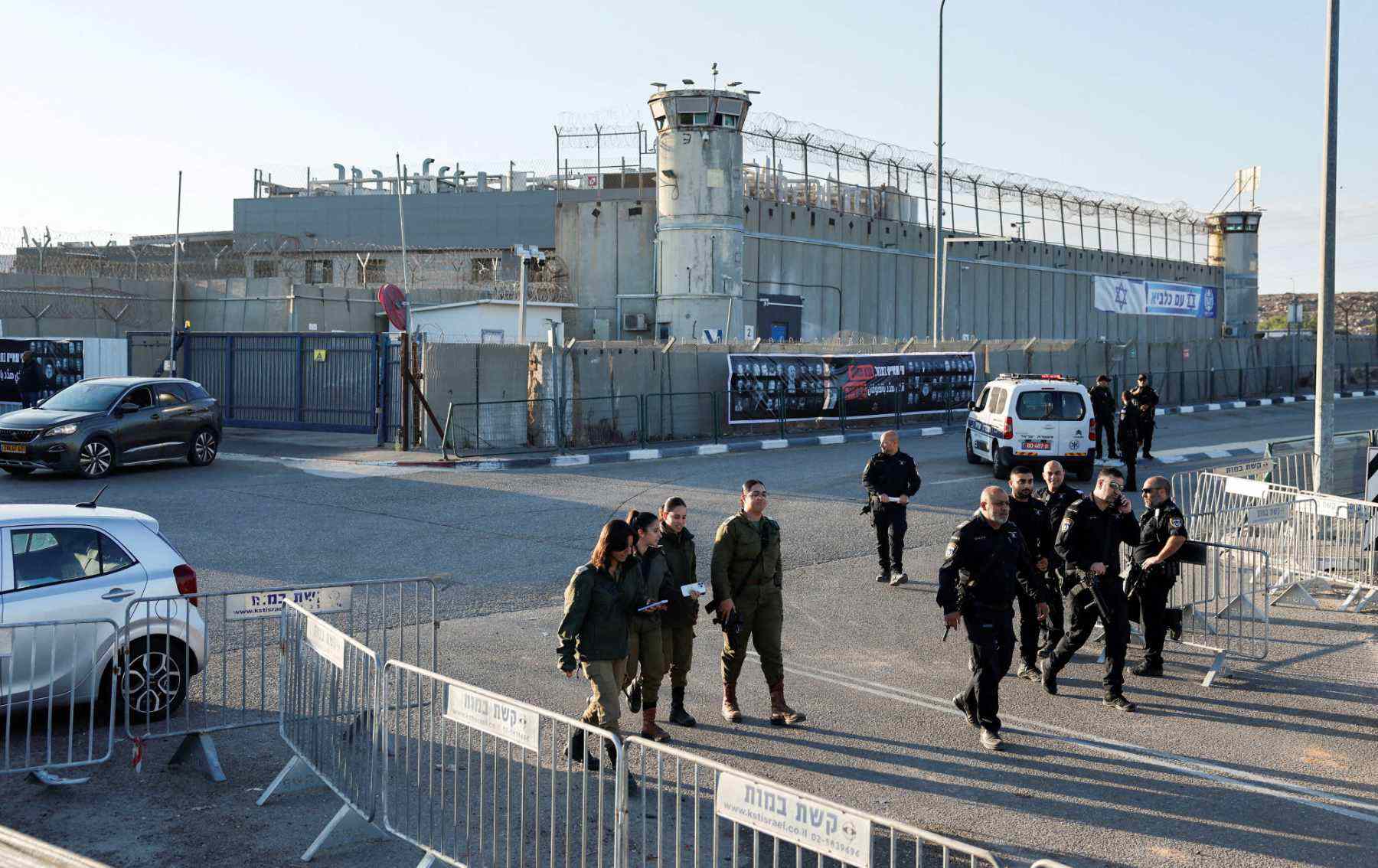
More than 9,300 Palestinians are currently held in Israeli prisons, including hundreds of minors and dozens of women, according to Palestinian and Israeli human rights organisations.
Critics warn that the proposed law risks deepening divisions and further inflaming an already volatile situation, as Israel faces increasing scrutiny over its conduct in the conflict.