



Déjà vu?
Israel’s Lebanon buffer zone plan sparks fears of renewed occupation
The risk, analysts say, is that what begins as a limited military measure could evolve into a prolonged entanglement, one that further destabilises Lebanon.
Thursday 26/03/2026
Déjà vu?
JERUSALEM/BEIRUT – Israel’s plan to carve out a “buffer zone” in southern Lebanon has revived deep anxieties in Beirut, echoing a long history of invasions and occupation that many fear could once again destabilise the country and trigger fresh waves of displacement.
Israel signalled a major escalation on March 4, ordering all residents south of Lebanon’s Litani River to evacuate, two days after Hezbollah entered the US-Israeli war on Iran by launching rockets at Israel.
The Litani, which runs roughly 30 km north of the Israeli border, marks a significant geographic and strategic line, with around 8% of Lebanon’s territory lying south of it.
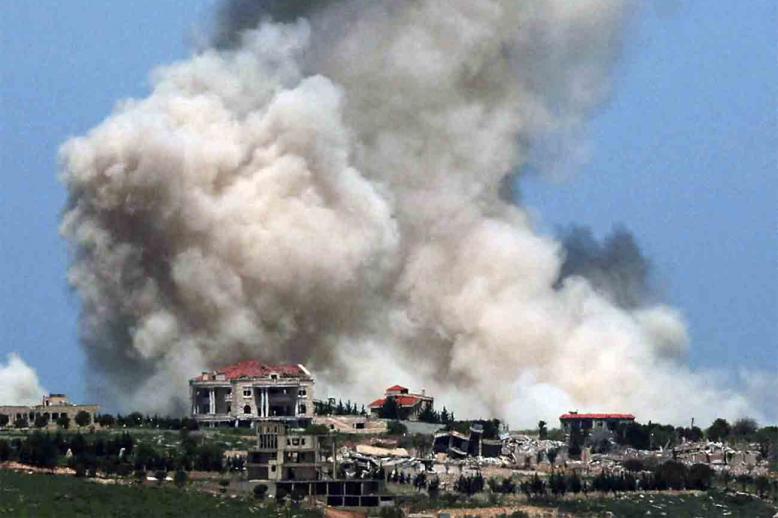
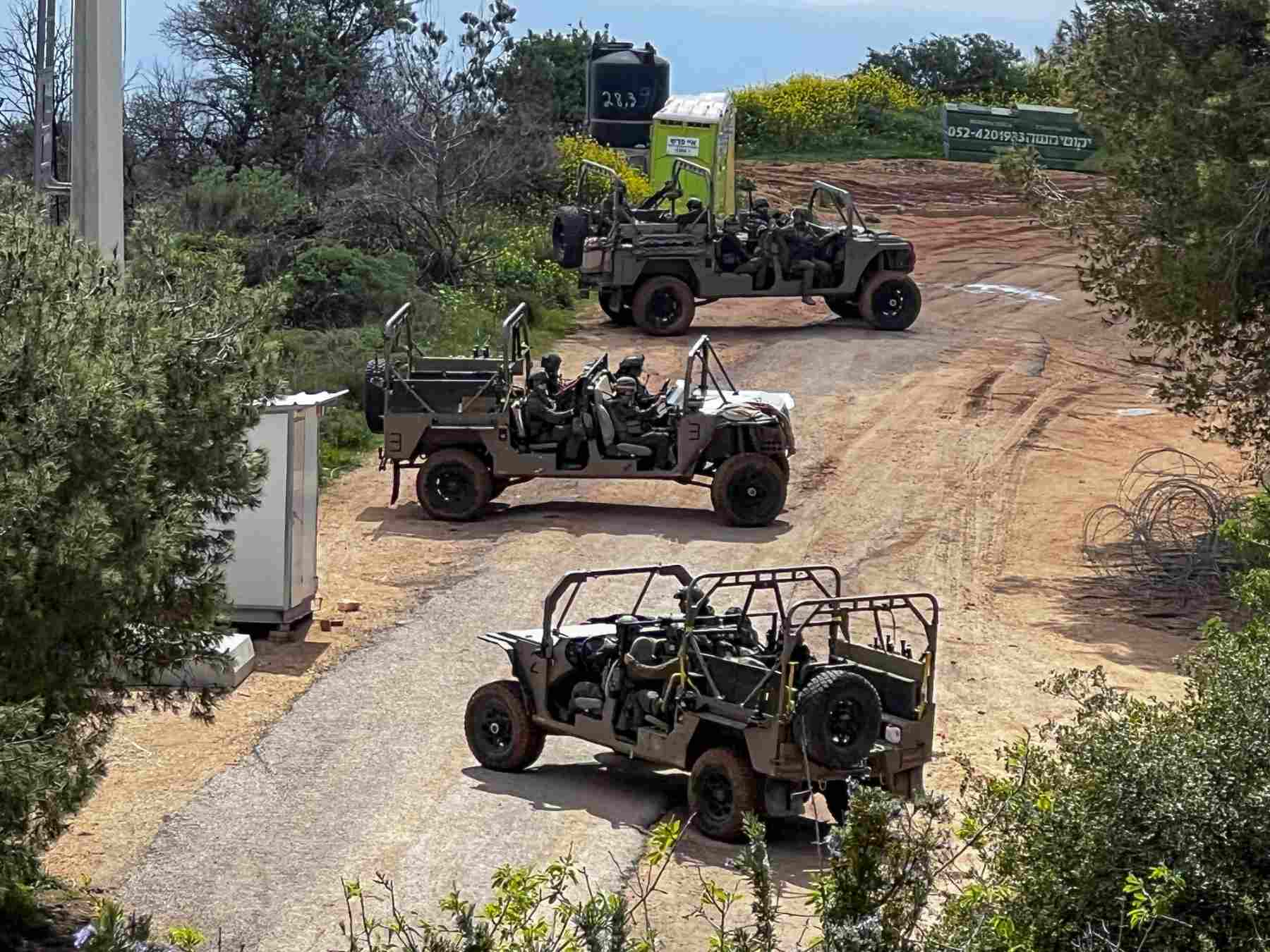
Since then, Israeli ground forces have established fortified positions and destroyed homes in evacuated villages. While Israel regards the area as a Hezbollah stronghold, southern Lebanon has historically been a mixed region, home to Christian, Sunni and Shi’ite communities.
Defence Minister Israel Katz said on March 24 that Israeli forces had destroyed five bridges over the Litani and would control the remaining crossings as part of a “security zone”. Troops, he said, would remain in place as long as “terrorism and missiles” persist.
Military spokesperson Effie Defrin described the river as Israel’s new “northern security line”, with operations aimed at preventing attacks on Israeli border communities.
Prime Minister Benjamin Netanyahu reinforced the message a day later, saying Israel was “expanding this security strip” to push threats further from its territory. “We are simply creating a larger buffer zone,” he said.
The military says it has deployed thousands of troops along the border and carried out what it describes as limited incursions into Lebanese territory, though it has not clarified whether a broader ground campaign is imminent.
Lebanon’s government has yet to formally respond, but Hezbollah has warned it will resist any Israeli attempt to occupy the south, calling such a move an “existential threat.”
Clashes have intensified. Hezbollah has launched rockets from both north and south of the Litani, causing casualties and damage in northern Israel. Israel, in turn, has conducted extensive air strikes across southern and eastern Lebanon and in Beirut.
According to Lebanon’s health ministry, more than 1,000 people have been killed and over one million displaced, underscoring the scale of the humanitarian crisis.
Among those uprooted is Shahira Ahmad Dabdoub, 61, who now shelters in Beirut. Like many, she fears that control of the Litani could pave the way for further advances.
“That’s the fear; if they take the Litani, then they’ll come here next,” she said.
Israel’s current strategy resonates with a long and fraught history in Lebanon.
In 1978, Israeli forces invaded southern Lebanon, establishing a narrow security zone backed by a local militia. A far larger invasion followed in 1982, reaching Beirut before Israel partially withdrew in 1983 while maintaining a presence in the south.
By 1985, Israel had formalised a wider occupation zone, roughly 15 km deep, administered alongside the South Lebanon Army. That occupation lasted until 2000, when Israeli troops withdrew after years of sustained attacks by Hezbollah.
Conflict flared again in 2006, when a Hezbollah cross-border raid triggered a five-week war marked by heavy bombardment of both militant positions and civilian infrastructure.
More recently, Hezbollah opened a new front against Israel on October 8, 2023, a day after Hamas’ attack on southern Israel. That confrontation led to renewed Israeli strikes and a ground presence in southern Lebanon, with troops remaining on several strategic hilltops even after a 2024 ceasefire.
Israel’s approach in Lebanon appears consistent with tactics employed elsewhere.
In Gaza, Israeli forces have cleared large areas along the border to create what they describe as a defensive buffer zone. Defence Minister Katz has explicitly referenced this model, citing operations in Rafah and Beit Hanoun.
Israel has also moved to secure strategic ground beyond its borders, including the seizure of the Mount Hermon summit in southern Syria following the fall of Bashar al-Assad in late 2024, alongside calls for a demilitarised zone deeper inside Syrian territory.
For Israel, the buffer zone is framed as a security necessity. For many in Lebanon, however, it raises the spectre of a renewed occupation with no clear exit strategy.
The risk, analysts say, is that what begins as a limited military measure could evolve into a prolonged entanglement, one that further destabilises Lebanon while deepening regional tensions already inflamed by the wider conflict with Iran.