


A risk of yet another external shock with limited economic resilience
Tunisia braces for economic shock as Iran war sends oil prices soaring
Economists warn that the surge in oil and gas prices could trigger a chain reaction across Tunisia’s economy, from widening deficits and rising inflation to declining foreign currency inflows.
Monday 30/03/2026
A risk of yet another external shock with limited economic resilience
TUNIS – Tunisia is bracing for mounting economic strain as the fallout from the US-Israeli war on Iran drives up global energy prices, threatening to derail already fragile public finances and deepen social pressures.
Economists warn that the surge in oil and gas prices since the conflict erupted on February 28 could trigger a chain reaction across the North African economy, from widening deficits and rising inflation to declining foreign currency inflows.
The country was already grappling with structural imbalances, weakened growth and high import costs, compounded by the lingering effects of the pandemic and the shock of the war in Ukraine.
At the heart of the concern is the sharp rise in oil prices, far above the assumptions underpinning Tunisia’s 2026 budget.
With Brent crude trading at around $107 per barrel, compared to the $63 benchmark used in budget projections, the government faces increasing difficulty in containing its deficit, estimated at around 11 billion dinars.
Analysts say the state will likely absorb part of the additional energy costs, placing further strain on public finances and limiting its room for manoeuvre.
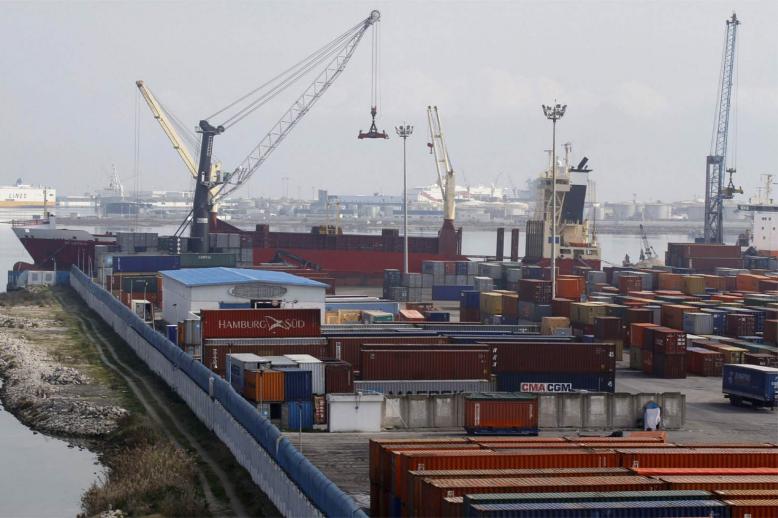
The impact is expected to ripple quickly through the economy. Higher shipping and insurance costs linked to tensions in the Strait of Hormuz are likely to push up the price of essential goods, particularly food and fuel, in a country that relies heavily on imports.
At the same time, foreign currency inflows could come under pressure. Remittances from Tunisians abroad, a key source of hard currency, may decline as inflation erodes incomes in Europe and the Gulf, while tourism revenues could weaken as travellers cut spending.
Economists also warn that tighter monetary policy in major economies could raise borrowing costs for Tunisia, increasing the burden of servicing its external debt.
With limited options, the government may be forced to take difficult measures, including delaying public investment, freezing recruitment in the public sector, adjusting fuel prices or postponing wage increases.
Some analysts say the central bank could also be compelled to raise interest rates further to contain inflation, at the risk of slowing growth.
In a worst-case scenario, continued disruption to global energy supplies could send oil prices as high as $150 to $200 per barrel, rendering Tunisia’s budget assumptions obsolete and forcing the government to adopt a supplementary finance law.
Such pressures could extend beyond energy, as global stockpiling drives up the cost of other essential goods, worsening living conditions in a country where economic hardship is already widespread.
For now, economists say the least costly outcome would depend on a de-escalation of regional tensions. But with uncertainty persisting, Tunisia faces the prospect of navigating yet another external shock with limited economic resilience.