


High-level meetings signal a coordinated Gulf response
UAE, Qatar leaders discuss regional security amid Iranian threats
The leaders discussed ongoing regional military escalations, their impact on international and maritime security and the broader consequences for the global economy.
Tuesday 31/03/2026
High-level meetings signal a coordinated Gulf response
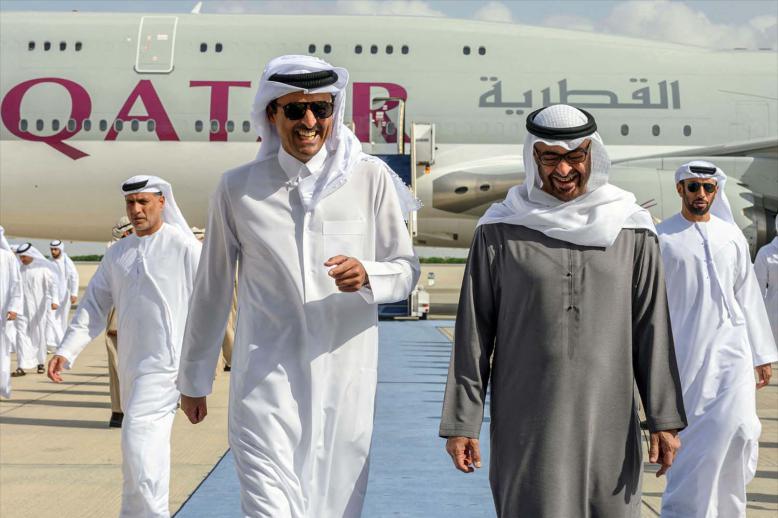
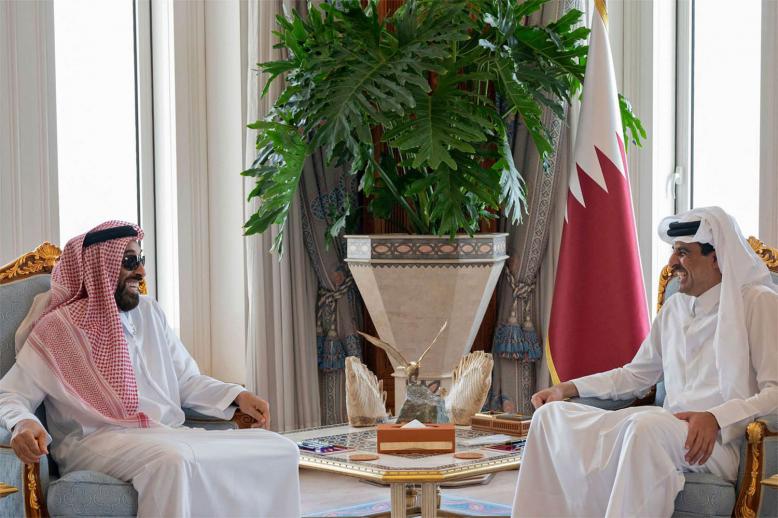
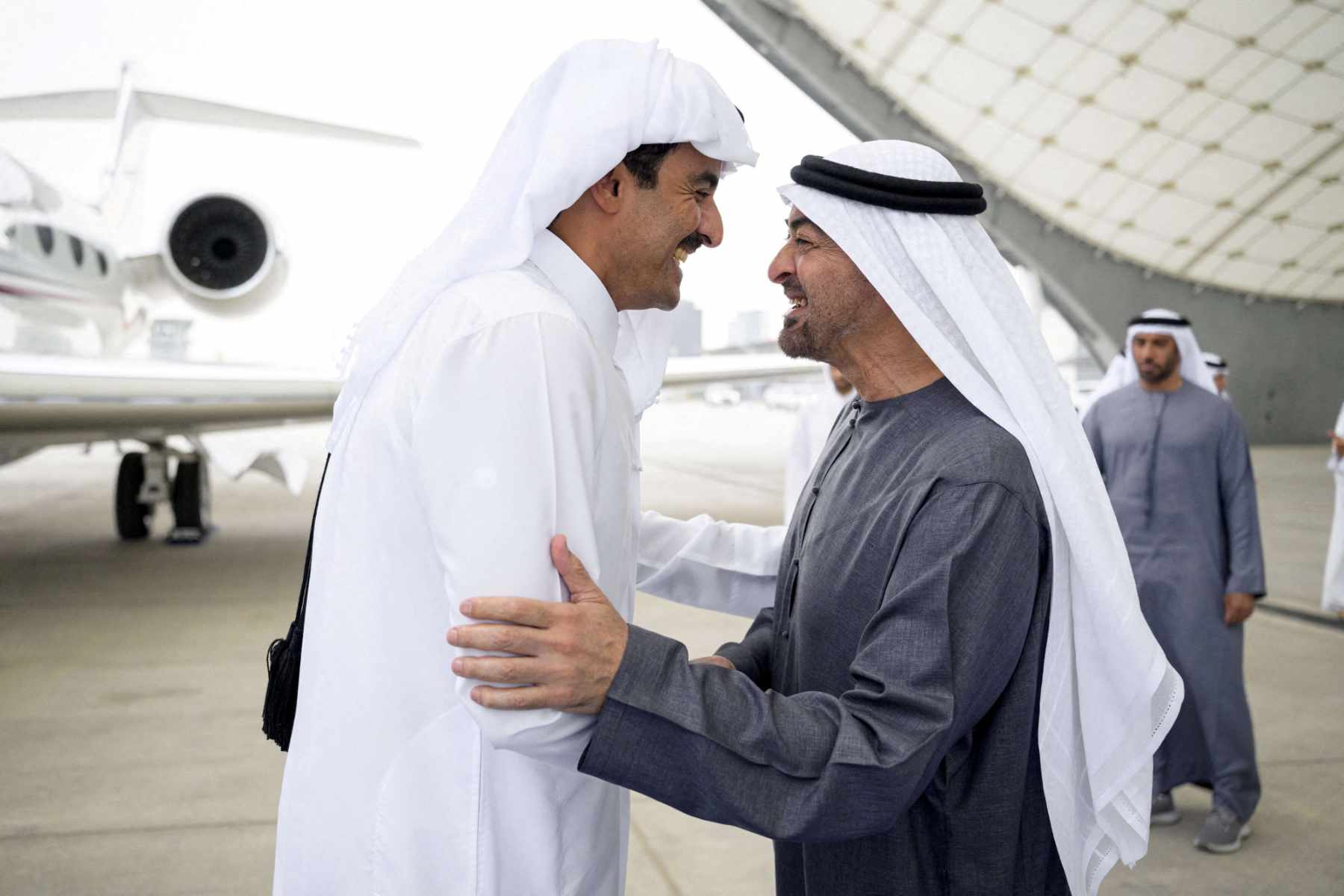
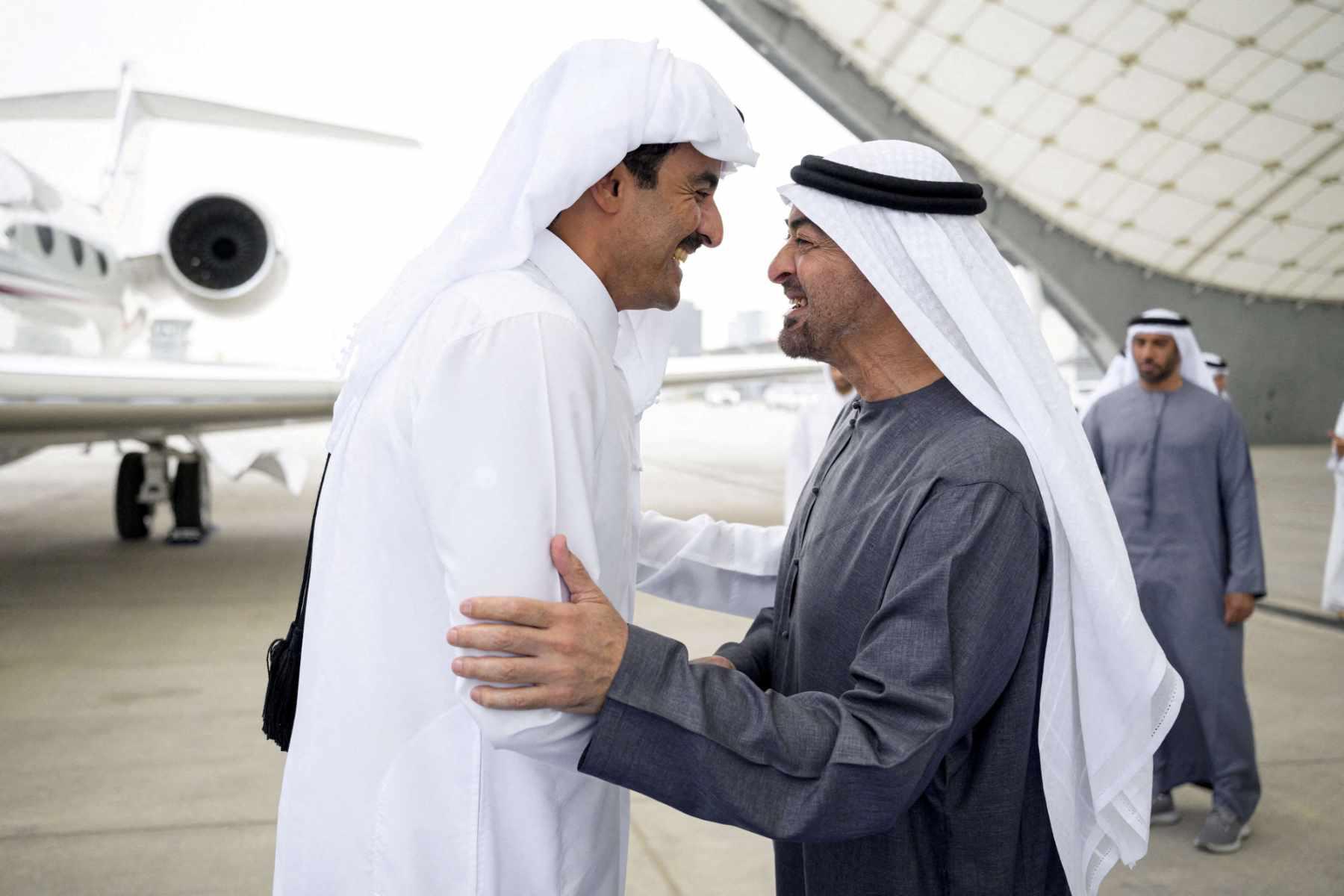
ABU DHABI – UAE President Sheikh Mohamed bin Zayed Al Nahyan received Qatari Emir Sheikh Tamim bin Hamad Al Thani on Tuesday in Abu Dhabi, marking a fraternal visit aimed at reinforcing bilateral ties and addressing the growing security challenges across the Gulf region.
The leaders discussed ongoing regional military escalations, their impact on international and maritime security and the broader consequences for the global economy. They also reviewed “ways to deepen cooperation across economic, social and security sectors to support their mutual development priorities and the welfare of their peoples,” according to the Emirati news agency WAM.
The meeting comes amid heightened tensions following the US-Israeli military campaign against Iran, which has triggered a wave of attacks on Gulf nations and other regional states.
Iranian strikes on civilian and strategic targets in the UAE, Qatar and neighbouring countries have escalated security concerns across the region.
Sheikh Mohamed bin Zayed was joined by top UAE officials, including Sheikh Mansour bin Zayed Al Nahyan, Vice President and Deputy Prime Minister; Sheikh Tahnoon bin Zayed Al Nahyan, Deputy Ruler of Abu Dhabi and National Security Adviser; and Sheikh Hamdan bin Mohamed bin Zayed Al Nahyan, Deputy Chairman of the Presidential Court for Special Affairs.
The Qatari delegation included Sheikh Jassim bin Hamad Al Thani, Personal Representative of the Emir; Prime Minister and Foreign Minister Sheikh Mohammed bin Abdulrahman bin Jassim Al Thani; and Abdullah bin Mohammed Al Khulaifi, Chief of the Amiri Diwan.
During talks, both sides condemned Iranian attacks on civilian and strategic infrastructure, reaffirming efforts to safeguard sovereignty, territorial integrity and the safety of their citizens.
The discussions reflected broader regional concerns over Iran’s continued aggression, highlighting the vulnerability of Gulf states to proxy attacks even as they insist on non-involvement in the US-Israeli conflict.
The visit follows Sheikh Tamim’s trip to Jeddah on Monday, where he met Saudi Crown Prince Mohammed bin Salman and King Abdullah of Jordan. The three leaders jointly warned that continued Iranian assaults on Gulf countries and Jordan, including attacks on civilian and vital infrastructure, “constitute a dangerous escalation that threatens the region’s security and stability,” according to the Saudi Press Agency.
Analysts note that these high-level meetings signal a coordinated Gulf response aimed at deterring further Iranian aggression while bolstering intra-GCC cooperation and regional resilience. They also underscore the growing intersection between regional security priorities and economic stability, particularly regarding maritime trade routes that are critical to global energy supplies.