

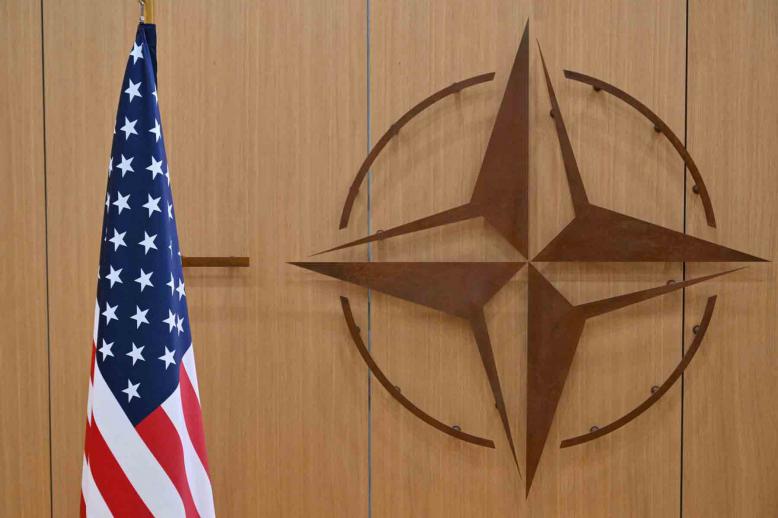
Pressure on allies grows
Trump rebukes allies over Iran war as NATO commitment comes into question
Trump singled out Britain and France as unhelpful in the month-long war that has roiled global markets and driven up energy prices.
Tuesday 31/03/2026
Pressure on allies grows
WASHINGTON – President Donald Trump on Tuesday urged countries that did not help in the US-Israeli strikes on Iran to buy American oil and go to the Strait of Hormuz and “just TAKE it,” while his defence secretary declined to reaffirm the United States’ commitment to NATO’s collective defence, underscoring deepening strains with European allies.
Trump singled out Britain and France as unhelpful in the month-long war that has roiled global markets, driven up energy prices and seen Iran effectively close oil tanker traffic through the Strait.
“All of those countries that can’t get jet fuel because of the Strait of Hormuz, like the United Kingdom, which refused to get involved in the decapitation of Iran, I have a suggestion for you: Number 1, buy from the US, we have plenty, and Number 2, build up some delayed courage, go to the Strait, and just TAKE it,” Trump said in a Truth Social post.
“You’ll have to start learning how to fight for yourself, the U.S.A. won’t be there to help you anymore, just like you weren’t there for us.
“The hard part is done. Go get your own oil!”
He also criticised France for not letting planes carrying military supplies to Israel fly over French territory.
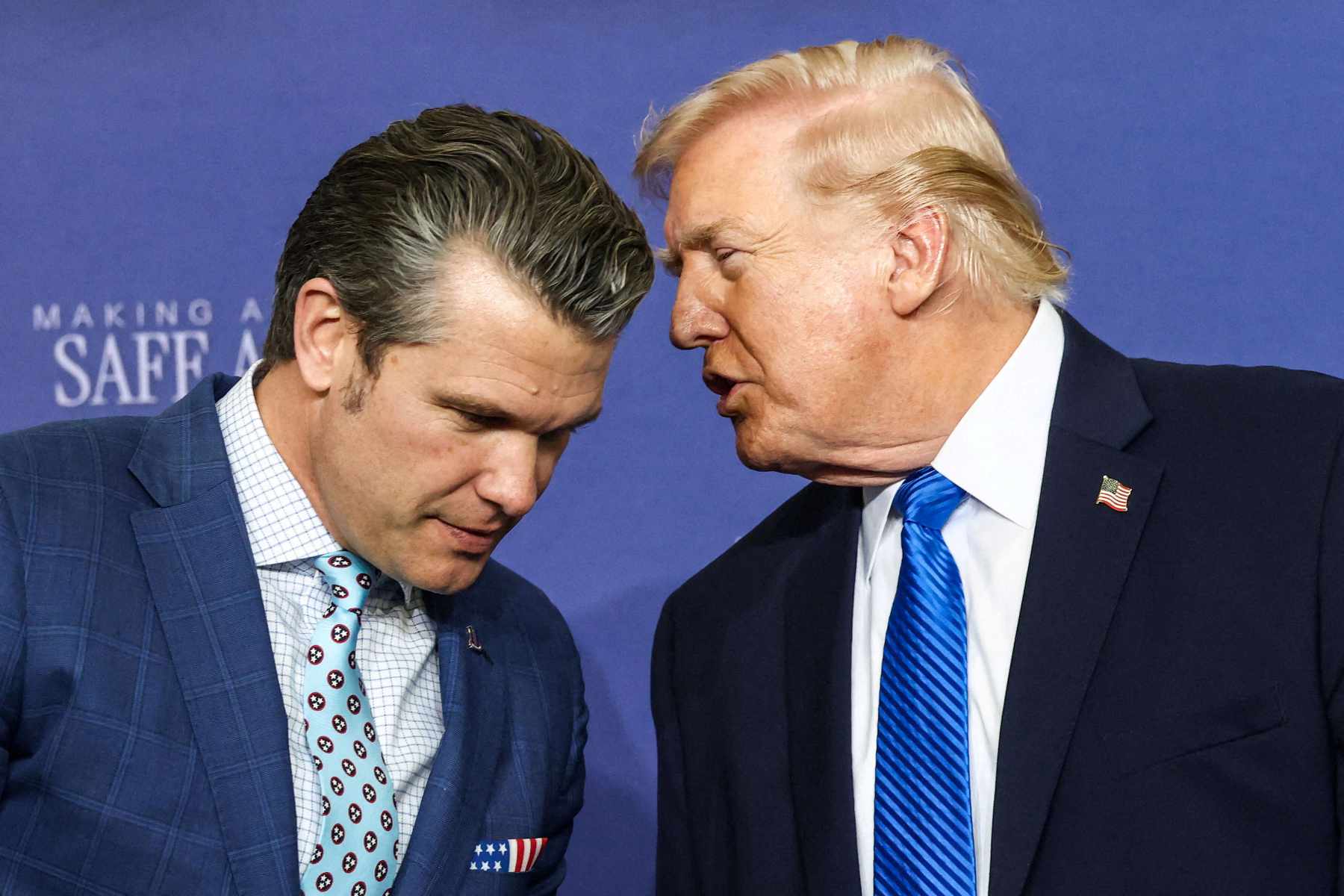
The remarks came as Defence Secretary Pete Hegseth declined on Tuesday to reaffirm the US commitment to NATO’s collective defence, saying that would be up to Trump after European allies had failed to stand with the United States in the war against Iran.
The comments by Hegseth at a Pentagon briefing were extraordinary, given that collective defence lies at the heart of the NATO alliance, which was formed in 1949 with the primary aim of countering the risk of Soviet attack on allied territory.
Any signal by the United States that it might not be willing to defend NATO allies in the event of attack by Russia or another adversary could severely weaken the alliance even if Trump opts against withdrawing from it altogether, something that may require consent by Congress.
Experts have long warned that such remarks could also encourage Russia to test NATO members’ readiness to enforce the alliance’s Article 5, which states an armed attack against one member state is an attack on all.
Asked by Reuters at a news briefing if the United States is still committed to NATO’s collective defence, Hegseth said: “As far as NATO is concerned, that’s a decision that will be left to the president. But I’ll just say a lot has been laid bare.”
Hegseth then appeared to point to Trump’s latest remarks on social media blasting France for failing to allow overflight of U.S. military resupply aircraft headed to Israel and criticising Britain for failing to launch the war against Iran alongside the United States and Israel.
Trump said on Friday the United States does not “have to be there for NATO.”
“You don’t have much of an alliance if you have countries that are not willing to stand with you when you need them. He’s simply pointing that out, and ultimately, it’ll be his decision of what that looks like,” Hegseth said.