


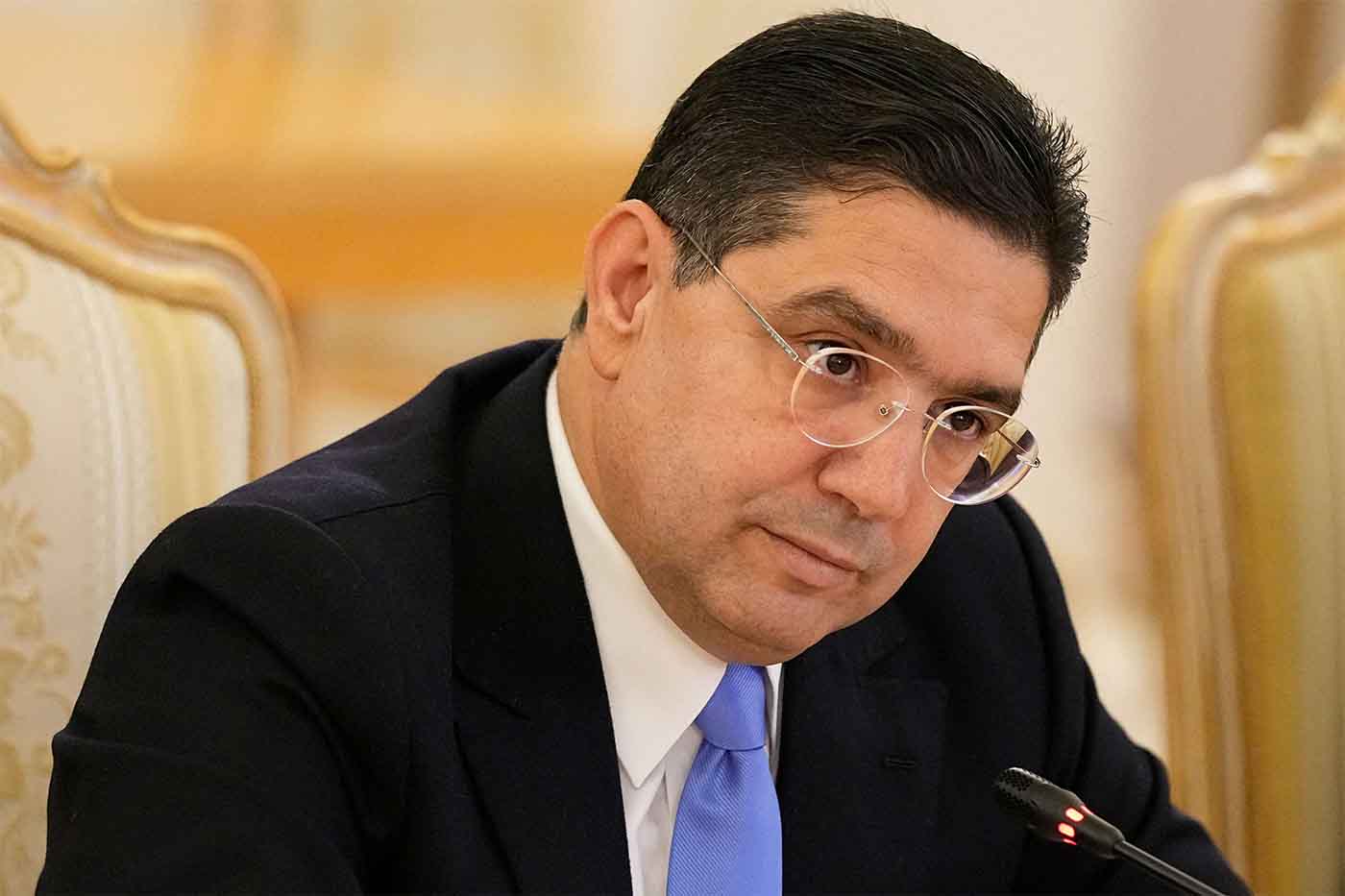
Bourita emphasized that the government’s primary goal is to safeguard the rights and dignity of Moroccan citizens applying for visas
Morocco ups pressure on foreign consulates over visa delays, brokers, passport retentions
The Moroccan Foreign Minister demands tighter oversight of outsourced services as citizens face long waits, appointment bottlenecks and prolonged passport hold-ups.
Thursday 02/04/2026
Bourita emphasized that the government’s primary goal is to safeguard the rights and dignity of Moroccan citizens applying for visas
RABAT — Morocco’s Ministry of Foreign Affairs is intensifying diplomatic pressure on foreign embassies and consulates operating in the Kingdom over persistent problems in outsourced visa processing systems, according to a parliamentary response from Foreign Minister Nasser Bourita.
Complaints continue to mount from Moroccan applicants regarding lengthy waiting times, difficulties securing appointments, and the retention of passports for what lawmakers have called “unreasonable periods.”
In a written reply to parliament, Bourita confirmed that Rabat is actively engaging diplomatic missions that have delegated visa handling to private contractors.
The minister stated that Morocco is pressing these missions to strengthen supervision of their digital appointment and file-submission platforms and to close loopholes currently exploited by brokers and intermediaries.
Bourita emphasized that the government’s primary goal is to safeguard the rights and dignity of Moroccan citizens applying for visas. He highlighted the need for respectful communication, particularly in urgent humanitarian cases such as medical treatment abroad or study programs with strict deadlines.
While acknowledging that visa policy remains the sovereign prerogative of each state, the minister noted that several diplomatic missions in Morocco have adopted delegated management models. Under these arrangements, private companies receive applications, interact directly with applicants, and only later forward files to the consulates for final decisions — an approach he said contributes to longer processing times.
Calls for Reform and European Context
Bourita pointed to the European Commission’s first-ever EU Visa Strategy, adopted in January 2026, as a potential model for improvement. The strategy outlines a shift toward more digital visa procedures, faster decision-making, and streamlined processes especially for students, researchers, skilled professionals, and business travelers.
The Commission has indicated that the new approach builds on earlier visa digitalization reforms. A single online visa application platform is scheduled to become operational by 2028, a change expected to significantly reduce waiting times and allow applicants to retain their passports for most of the process.
The Moroccan government’s intervention comes amid growing frustration among citizens who rely on timely visa issuance for essential travel, whether for education, healthcare, or economic opportunities. By publicly addressing the issue in parliament, Rabat is signaling its commitment to protecting nationals while maintaining constructive dialogue with partner countries.
Observers note that the move reflects a broader pattern of Moroccan diplomacy focused on citizen protection and efficient consular services.