



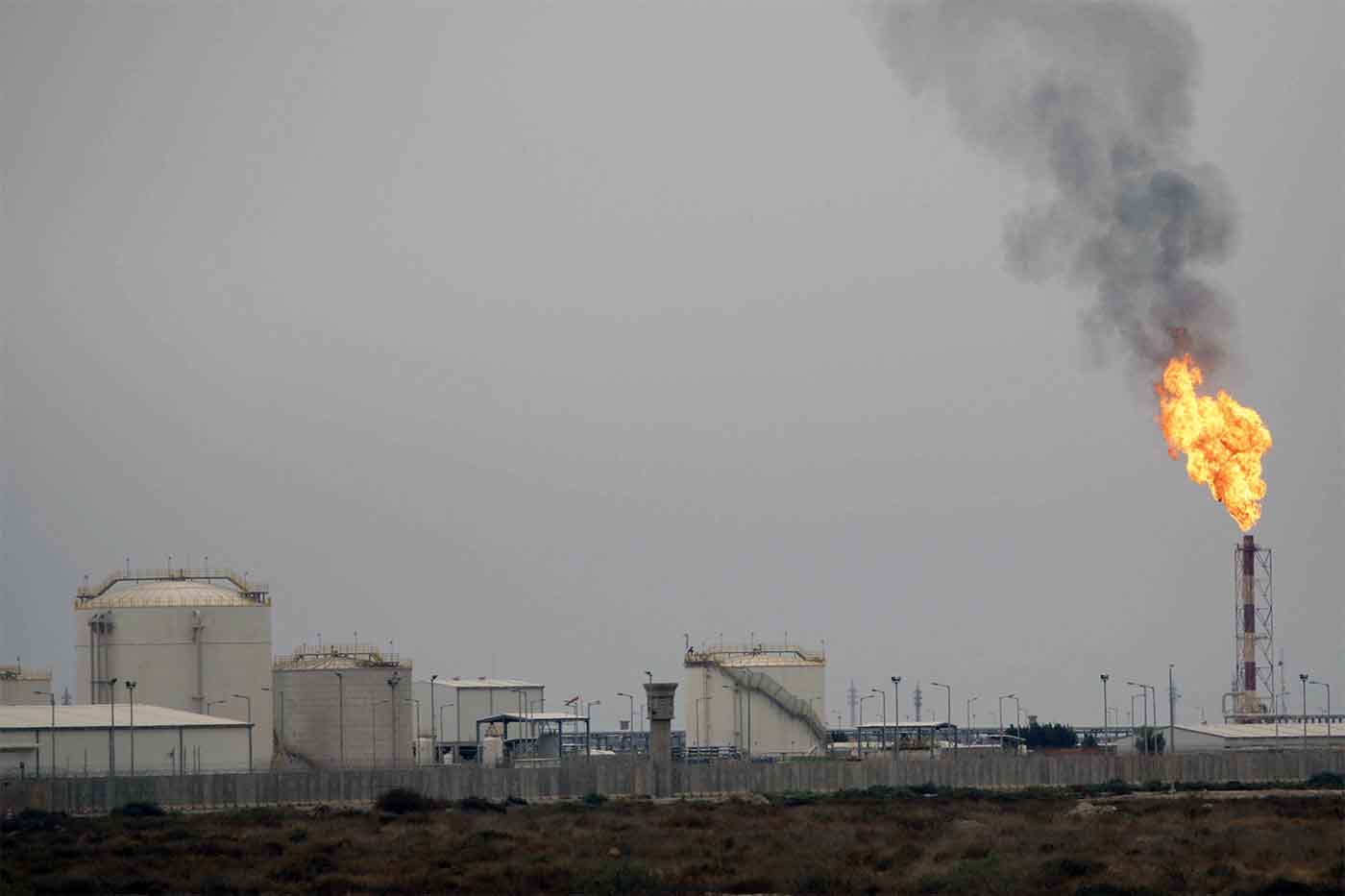
Iraq’s Basra province is the heart of the country’s oil industry
Drone strike sparks fire at foreign oil firms’ storage facilities in Iraq
The incident marks the latest attack on energy infrastructure as Iran’s regional campaign spreads beyond the Gulf states.
Saturday 04/04/2026
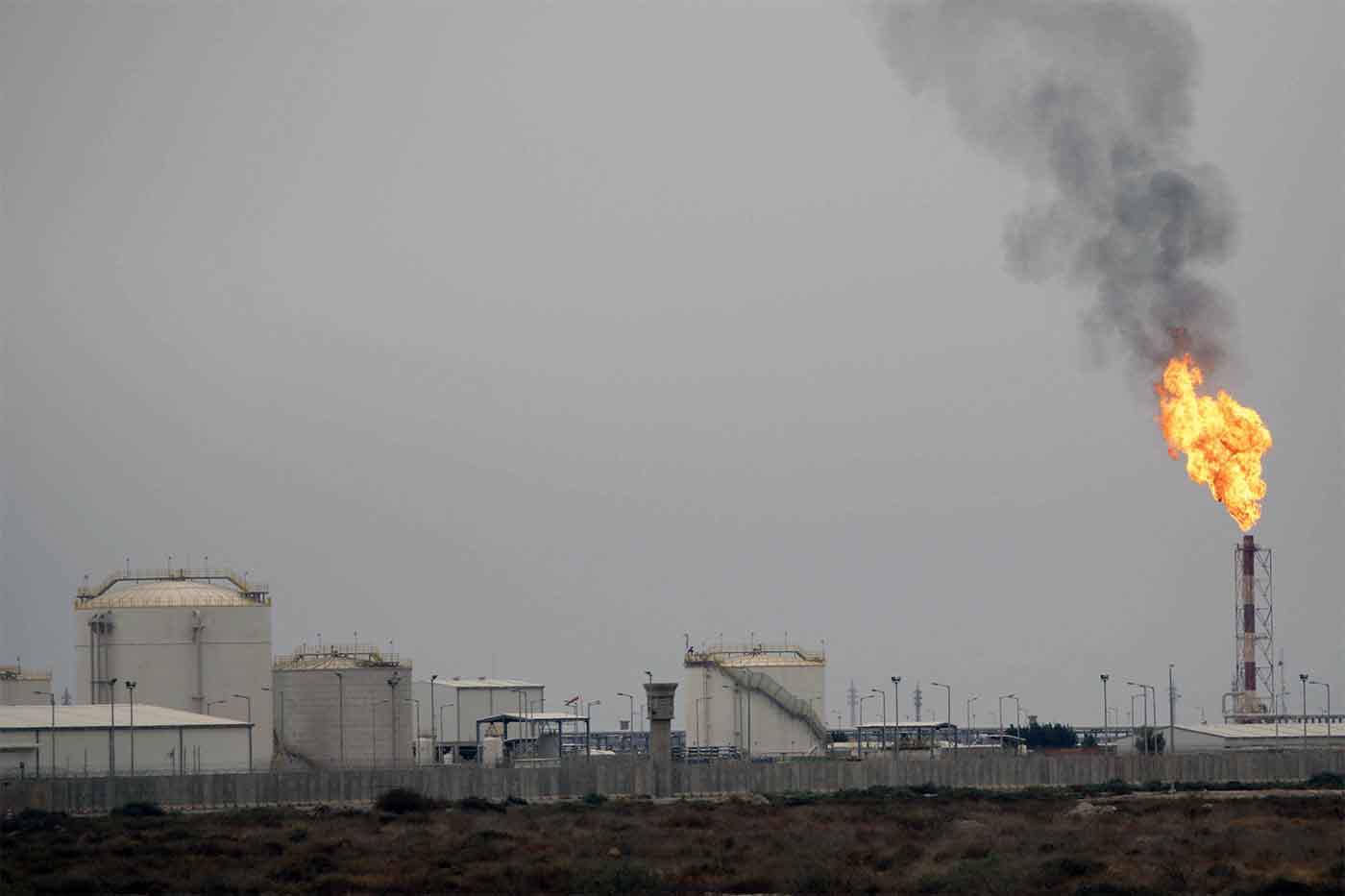
Iraq’s Basra province is the heart of the country’s oil industry
BASRA - A fire broke out early on Saturday at storage facilities belonging to foreign oil companies west of Iraq's Basra after a drone strike, security sources told Reuters.
The blaze erupted at the storage site in the early hours, prompting emergency response teams to rush to the area. Initial reports indicate material damage to the facilities, though the full extent of the impact on operations remains unclear. No immediate information was released on casualties or the specific foreign companies affected.
Iraq’s Basra province is the heart of the country’s oil industry, accounting for the vast majority of its crude exports. Storage facilities in the area handle significant volumes of petroleum products, and any disruption could ripple through regional and global energy markets already strained by the month-long Middle East conflict.
Escalation of Attacks on Critical Energy Assets
The drone strike represents the latest incident in a widening campaign of aerial attacks across the region that began on February 28. In recent days alone, Iranian strikes or intercepted threats have hit or affected energy and water infrastructure in the UAE (including Abu Dhabi’s Habshan gas facilities), Kuwait (a power and desalination plant), and now Iraq.
Security analysts note that targeting foreign-operated oil storage sites in Basra signals an expansion of the conflict into Iraq, a major oil producer and key player in regional energy stability. Iraq has maintained a delicate balance amid the tensions, with significant foreign investment from international oil companies operating in its southern fields.
Iraqi authorities have not yet issued an official statement on the incident, and it remains unclear whether the drone was intercepted or struck its target directly. Emergency teams are working to contain the fire and assess damage, with operations at the facility likely to be suspended pending a full safety review.
Broader Regional and Economic Implications
The attack comes as President Donald Trump stated on Friday that the United States could reopen the Strait of Hormuz “with a little more time,” amid ongoing concerns over maritime security and global oil flows. Gulf states, already on high alert following strikes on UAE and Kuwaiti facilities, are closely monitoring developments in Iraq, fearing further spillover that could threaten production and export routes.
Oil markets reacted cautiously to the news, with traders watching for any confirmation of sustained disruption to Iraqi crude supply. Basra’s facilities are integral to Iraq’s output, and repeated incidents could compound volatility already driven by the conflict.
As the situation develops, Iraqi security forces and oil ministry officials are expected to provide further updates. The incident underscores the growing risk to energy infrastructure across the Middle East, even in countries not directly at the centre of the Iran-related hostilities.
Regional leaders continue to coordinate diplomatic and security responses, with recent high-level calls between Gulf officials, the US, and Russia focusing on de-escalation and protection of critical infrastructure. Further details on the Basra drone strike and its operational impact are anticipated later today.